
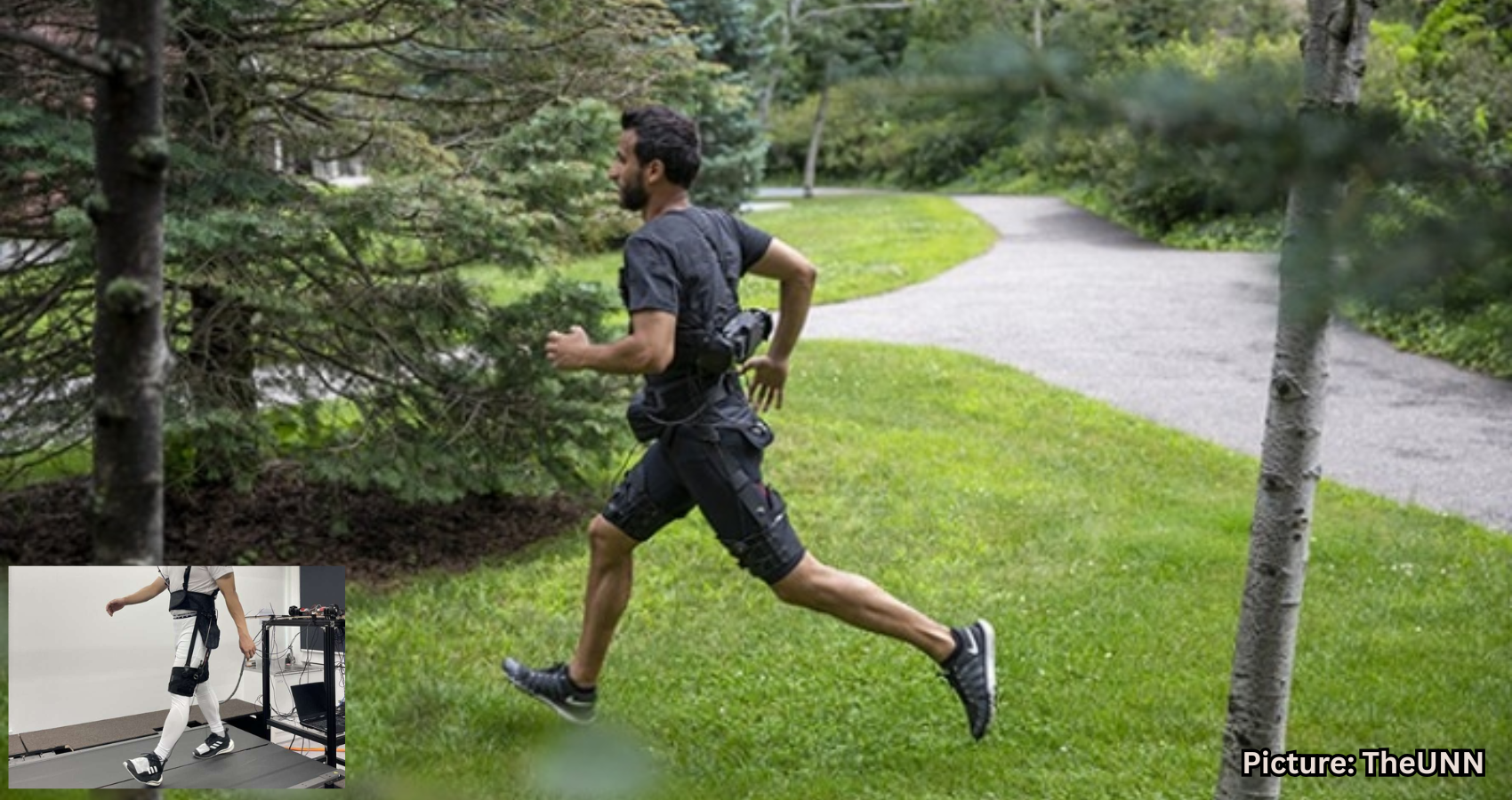
Wearable robotics, including Nike’s Project Amplify and the Hypershell X exoskeleton, are transforming how we walk and run, aiming to enhance movement rather than replace it.
In recent years, the field of robotics has expanded beyond the confines of factories and laboratories, making its way into our daily lives. Wearable robotics, which include powered footwear and lightweight exoskeletons, are emerging as a new consumer category designed to assist movement rather than replace physical effort.
Historically, innovations in sports technology have focused on enhancing speed and performance, often benefiting elite athletes. However, the focus is shifting towards accessibility and support for everyday users. Nike’s Project Amplify exemplifies this trend. Developed in collaboration with robotics partner Dephy, this system integrates a carbon plate within the shoe and a motorized cuff worn above the ankle. The cuff uses sensors to monitor stride patterns in real time, providing subtle assistance that feels natural and smooth, rather than forcing movement.
Previous attempts at creating powered footwear faced challenges due to the weight of batteries and motors, which made the devices feel cumbersome and unbalanced. Modern designs have addressed these issues by relocating energy storage to the ankle or hips, thereby reducing strain on the feet and improving overall balance. Enhanced battery technology and advanced motion sensors allow these systems to adapt to users’ strides dynamically, making the experience feel like an extension of the body. Nike aims for a commercial release of Project Amplify around 2028.
However, Nike is not the only player in this evolving market. The Hypershell X is another notable example, designed as a lightweight outdoor exoskeleton for hikers and long-distance walkers. This system wraps around the waist and legs, employing small motors to alleviate fatigue during climbs and on uneven terrain. The goal is straightforward: to help users go farther without feeling drained. Hypershell has also introduced the X Ultra, a more robust version tailored for steeper terrains and longer excursions, providing stronger assistance while remaining compact enough to wear under standard outdoor gear.
Dnsys has also entered the market with the X1 all-terrain exoskeleton, aimed at hikers and outdoor enthusiasts. Unlike earlier lab prototypes, the X1 has been successfully sold through crowdfunding and direct online orders, marking it as one of the early consumer-ready entries in the wearable robotics space.
Another innovative product is WIM from WIRobotics, a wearable robot that weighs approximately 3.5 pounds and supports natural hip movement while walking. This device is targeted at older adults, active individuals, and those recovering from minor injuries, providing assistance without the bulkiness of traditional medical devices.
The medical applications of wearable robotics have been developing for a longer time. Companies like Ekso Bionics and ReWalk have created powered exoskeletons that assist individuals with spinal cord injuries or strokes in standing and walking. These systems are primarily used in rehabilitation clinics and select personal mobility programs, demonstrating how wearable robotics have evolved from medical settings to consumer-oriented designs.
What unites these diverse products is a common goal: to actively assist movement rather than merely track it. Many individuals face barriers to physical activity that are not solely related to injury; hesitation often plays a significant role. Concerns about knee pain, fatigue, or the fear of slowing down others can deter people from engaging in physical activity. Wearable robotics aim to bridge this confidence gap by reducing fatigue and supporting joints, making movement feel more attainable for those who might otherwise avoid it.
Comparatively, the rise of e-bikes serves as a relevant analogy. Electric assistance has not eliminated cycling; instead, it has broadened the demographic of people who feel comfortable riding a bike. Similarly, powered footwear and wearable robotics could democratize walking and running, making these activities more accessible to a wider audience.
For some, this technology might mean replacing short car trips with walking, while for older adults, it could facilitate prolonged activity without excessive fatigue. Casual runners may find they can complete their workouts with energy to spare, rather than struggling through the final stretch. This shift is not about creating super athletes; it is about empowering more individuals to participate in physical activities.
Even if you are not inclined to use a powered exoskeleton or are not eagerly awaiting the arrival of motorized shoes in 2028, the implications of this technology are significant. For those who experience discomfort during long walks or skip runs due to fatigue concerns, wearable robotics are designed with these challenges in mind. The aim is not to transform anyone into a super athlete but to make movement feel more achievable.
For some, this could translate to walking an extra mile effortlessly, while for others, it might mean keeping pace with friends or feeling more confident about starting a new fitness routine. Wearable robotics are reshaping the conversation around fitness, shifting the focus from speed and performance to comfort and accessibility.
As wearable robotics continue to evolve, the question is not whether they will improve, but how society will choose to integrate them into daily life. If these technologies can help you walk and run with less strain, would you consider using them, or would you prefer to rely solely on your own efforts? This is a conversation worth having as we navigate the future of movement.
According to Fox News, the potential of wearable robotics to enhance everyday mobility is becoming increasingly clear.