
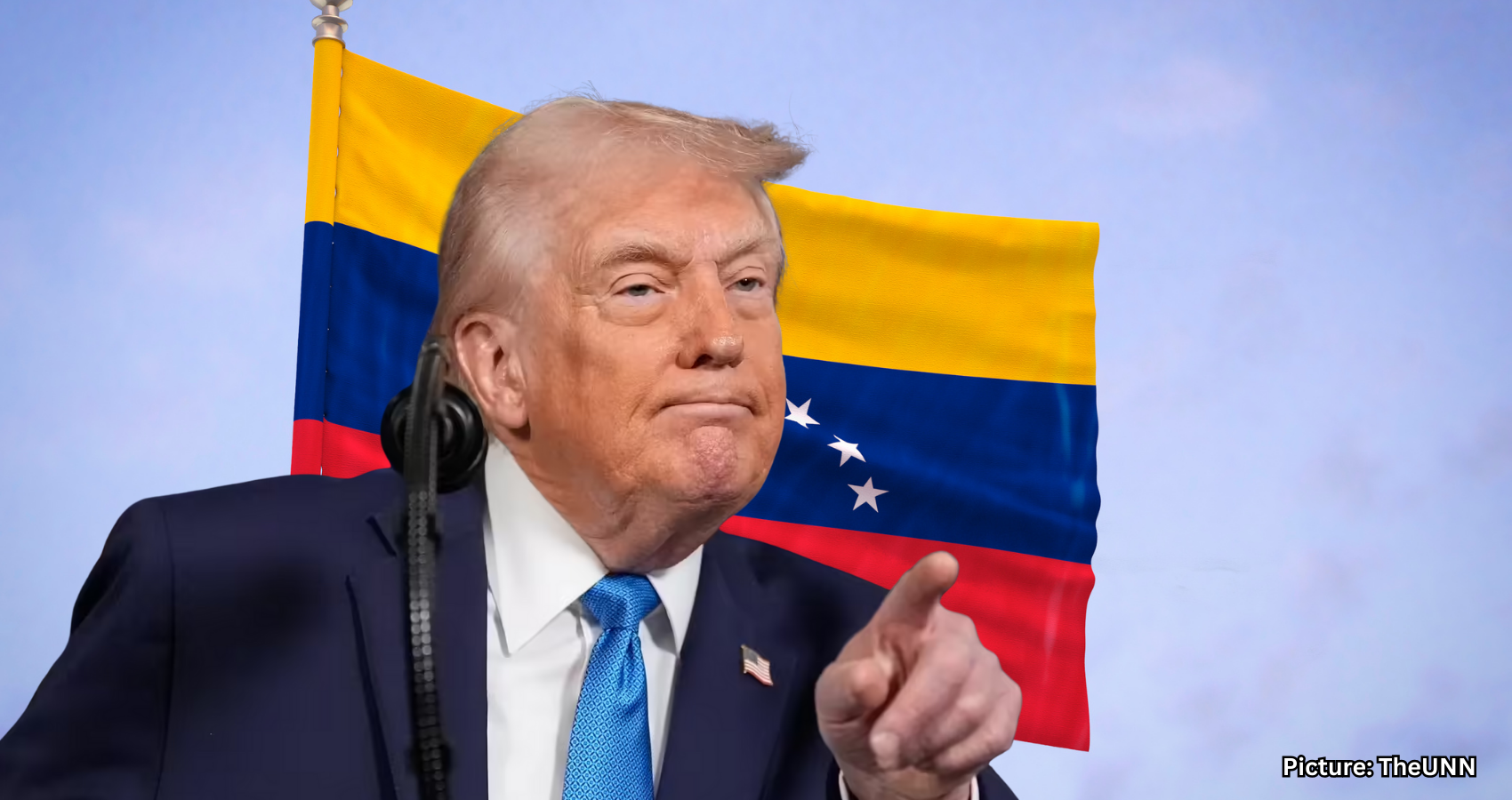
The recent U.S. military intervention in Venezuela has significant implications for India’s energy strategy and its position in the global geopolitical landscape.
As the United States executed a military operation in Venezuela earlier this month, capturing President Nicolás Maduro, Indian officials and business leaders are closely monitoring the unfolding situation from nearly 8,000 miles away.
The operation, dubbed “Operation Absolute Resolve,” commenced on January 3 and involved over 150 aircraft targeting Venezuelan installations. The raid culminated in Maduro’s capture and subsequent transfer to New York, where he faces charges related to narcoterrorism. This unprecedented military action has ignited a global discourse on issues of sovereignty, international law, and the shifting dynamics of power within global energy markets.
In response to these developments, India’s Ministry of External Affairs (MEA) issued a carefully crafted statement expressing “deep concern” regarding the crisis. The ministry called for all parties involved to engage in peaceful dialogue to stabilize the region. Notably, New Delhi refrained from directly condemning the U.S. actions, instead reaffirming its commitment to the “well-being and safety of the people of Venezuela.”
The geopolitical ramifications of the U.S. intervention extend well beyond South America. Analysts suggest that this move has significantly undermined China’s influence in Venezuela, a nation where Beijing has invested billions as part of a strategic partnership. In reaction, China condemned the U.S. military action, labeling it a violation of international law and emphasizing the necessity of upholding the security of sovereign nations.
Some international observers are drawing connections between the dramatic events in Venezuela and broader strategic tensions involving China, particularly concerning Taiwan. While experts believe that the U.S. intervention is unlikely to provoke a direct Chinese military response regarding Taiwan, it may embolden Beijing to assert its territorial claims more aggressively as part of a larger strategy to enhance its global influence.
For India, the immediate economic impact of the Venezuela crisis appears limited. A recent analysis of Indian energy markets indicated that India’s crude oil imports from Venezuela have plummeted to approximately 0.3 percent of total imports, primarily due to sanctions and a diversified sourcing strategy that includes Russia, the Middle East, and other regions. This minimal exposure has effectively shielded New Delhi from immediate supply disruptions.
However, the crisis raises critical strategic questions for India’s energy security and market stability. Should international sanctions on Venezuela be lifted and political stability restored, India may find itself in a position to reconsider investments or re-engage in Venezuelan energy projects that were previously seized or suspended due to U.S. sanctions.
Economists caution that the ongoing turbulence could introduce short-term volatility in crude oil markets, which may subsequently influence inflation rates and the value of the Indian currency. Nonetheless, the structural impact on India’s economy remains limited for the time being.
As New Delhi navigates its position between global superpowers, the Venezuela crisis highlights the intricate relationship between geopolitics and energy markets in an increasingly unstable international environment. The situation serves as a reminder of the complexities that nations face as they strive to protect their interests while engaging in the global arena.
According to American Bazaar, the unfolding crisis in Venezuela will continue to shape India’s energy strategy and its geopolitical maneuvering in the coming years.