
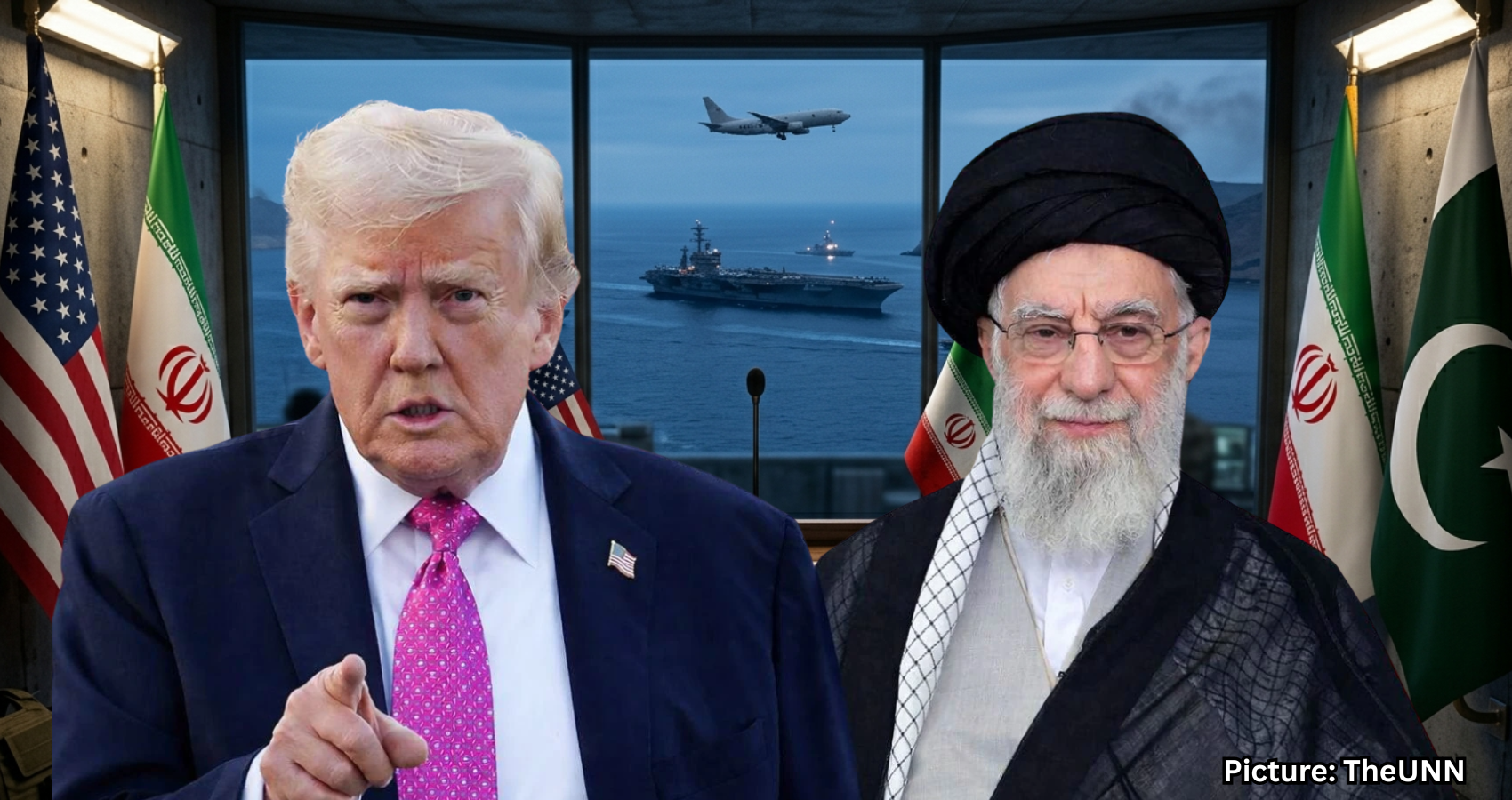
U.S. President Donald Trump has agreed to a two-week ceasefire with Iran amid rising tensions, facilitated by Pakistan’s mediation efforts as the Strait of Hormuz reopens.
In a surprising turn of events, U.S. President Donald Trump has announced a temporary ceasefire with Iran, just hours after issuing a stern warning that heightened fears of imminent conflict. This abrupt shift underscores the volatile and high-stakes nature of the ongoing crisis in the Middle East.
Approximately ten hours prior to signaling a willingness to de-escalate, Trump had posted a stark threat directed at Iran on social media. However, in a subsequent message on Truth Social, he confirmed support for a limited ceasefire arrangement, marking a significant pivot in both tone and strategy.
Details emerging from the situation indicate that the ceasefire will last for two weeks and is closely linked to the reopening of the strategically vital Strait of Hormuz. This waterway is a crucial artery for global oil shipments and has been at the center of escalating tensions, with disruptions raising alarms across international markets.
The short-term truce appears to be influenced by a combination of economic and geopolitical pressures. The potential fallout from a prolonged closure of the strait could have significant implications for energy supplies and global trade, prompting both sides to consider temporary de-escalation.
Pakistan has played a pivotal role in facilitating this agreement, emerging as a key behind-the-scenes mediator. Diplomatic sources suggest that Islamabad helped bridge communication gaps between Washington and Tehran, leveraging its foreign relationships to encourage restraint. This involvement highlights Pakistan’s growing role as a regional mediator, particularly in times of heightened crisis.
The contrast between Trump’s earlier rhetoric and his later endorsement of a ceasefire illustrates the volatility of the situation. While his initial post suggested a readiness for severe military action, the follow-up message indicated a willingness to pause and reassess, at least in the short term.
Despite the agreement, uncertainty remains high. The ceasefire is explicitly temporary, and its success will depend on whether both sides adhere to the terms and avoid provocations. The reopening of the Strait of Hormuz will be closely monitored as a key indicator of stability in the region.
In conclusion, while the two-week ceasefire offers a brief window for diplomacy and de-escalation, it does little to resolve the underlying tensions. This episode highlights how quickly conflict dynamics can shift and underscores the importance of timely intervention and mediation in averting a broader crisis, according to The American Bazaar.