
2025 has proven to be a vibrant year for South Asian cinema, showcasing a diverse range of films that resonate with audiences both locally and globally.
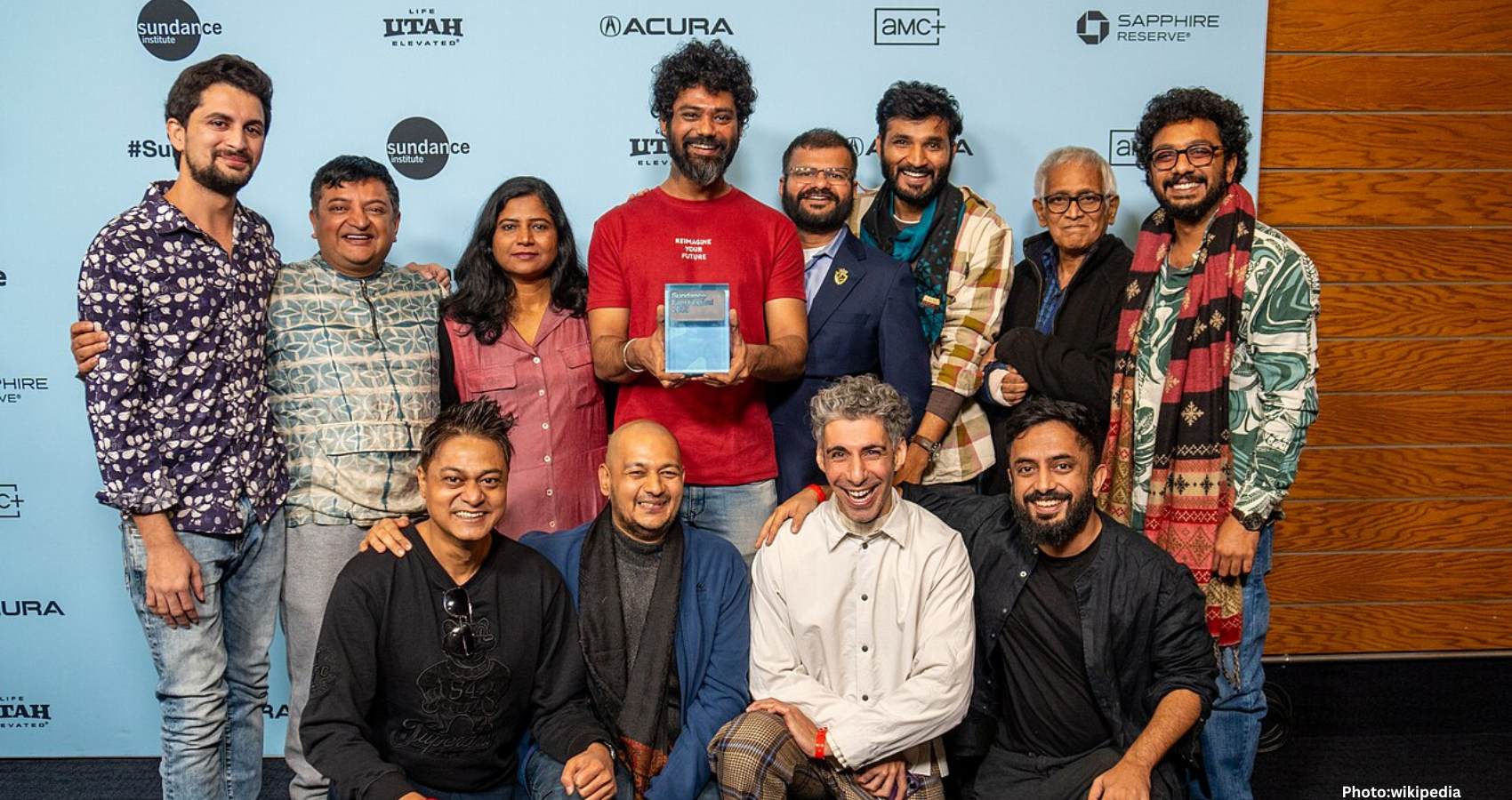
This year has been a colorful chapter in South Asian entertainment, marked by significant achievements and a variety of compelling narratives. Among the standout films is *Sabar Bonda (Cactus Pears)*, a queer Marathi drama directed by Rohan Parashuram Kanawade, which made history by winning the World Cinema Grand Jury Prize: Dramatic at Sundance, becoming the first Marathi film to achieve this honor.
In another notable triumph, director-editor-producer Geeta Gambhir received the Sundance Directing Award: U.S. Documentary for her true crime nonfiction film, *The Perfect Neighbor*. This documentary is now considered a frontrunner in the race for the Oscar for Best Documentary Feature.
While independent films by Indian and diasporic filmmakers have captivated audiences, action and fantasy genres have continued to dominate the desi box office. However, the romantic drama *Saiyaara* has emerged as a notable exception, appealing to viewers with its heartfelt narrative. Additionally, *Homebound*, a critically acclaimed film, has been selected as India’s official entry for the Oscars this year.
Another significant milestone for Indian cinema is the animated film *Mahavatar Narsimha*, directed by Ashwin Kumar, which has become the first Indian animated feature to be included among the 35 eligible titles in the highly competitive Animated Feature Film category at the Oscars. This film is the first installment in a planned series inspired by the ten avatars of Lord Vishnu.
Amidst these achievements, the most popular reviews from *India Currents* this year reflect a different flavor—one that emphasizes substance over spectacle and embraces multilingual storytelling. Below are the top five most-read reviews of 2025.
Dragon (2025)
Directed by Ashwath Marimuthu, the Tamil film *Dragon* has been described as a hard-hitting exploration of life and the path to redemption. Anuj Chakrapani notes that despite its imperfections, the film delivers a compelling message about the consequences of poor choices and the importance of making amends, emphasizing that while it’s never too late to change, the journey becomes increasingly challenging over time.
I Want to Talk (2024)
In *I Want to Talk*, directed by Shoojit Sircar, Abhishek Bachchan delivers a performance that may convert skeptics into fans. Ashwini Gangal highlights the film’s poignant narrative, which is based on a true story of courage in the face of terminal illness. The film chronicles the life of a successful executive diagnosed with aggressive throat cancer, serving as a powerful testament to resilience and the human spirit in the face of death.
Kishkindha Kaandam (2024)
Malayalam film *Kishkindha Kaandam* stands out as a gripping thriller that eschews traditional villain tropes. Anuj Chakrapani describes it as a deeply meditative experience that delves into the complexities of the human mind while unraveling a tightly woven mystery. The film’s focus on intricate family dynamics and relationships adds depth to its narrative, steering clear of unnecessary drama.
The Beatles and India (2021)
Written and directed by Ajoy Bose and Peter Compton, *The Beatles and India* explores the profound influence of Indian spirituality on the iconic British band. Shalini Kathuria Narang notes that the documentary features rare archival footage and firsthand accounts, chronicling the Beatles’ transformative time at Maharishi Mahesh Yogi’s ashram, which played a pivotal role in their most creative songwriting period and helped bridge Eastern and Western cultures.
Mrs. (2024)
In *Mrs.*, a Hindi remake of the Malayalam film *The Great Indian Kitchen*, director Arati Kadav effectively highlights the pervasive issue of everyday patriarchy in Indian households. Shalini Kathuria Narang emphasizes that the film presents a relatable portrayal of domestic responsibilities and subtle male domination, using the kitchen as a metaphor for the lead character’s growing frustration and her eventual act of defiance against a stifling domestic environment.
As South Asian cinema continues to evolve, these films reflect a rich tapestry of narratives that resonate with audiences, showcasing the depth and diversity of storytelling in the region. The year 2025 has undoubtedly set a high bar for future cinematic endeavors.
According to India Currents.