
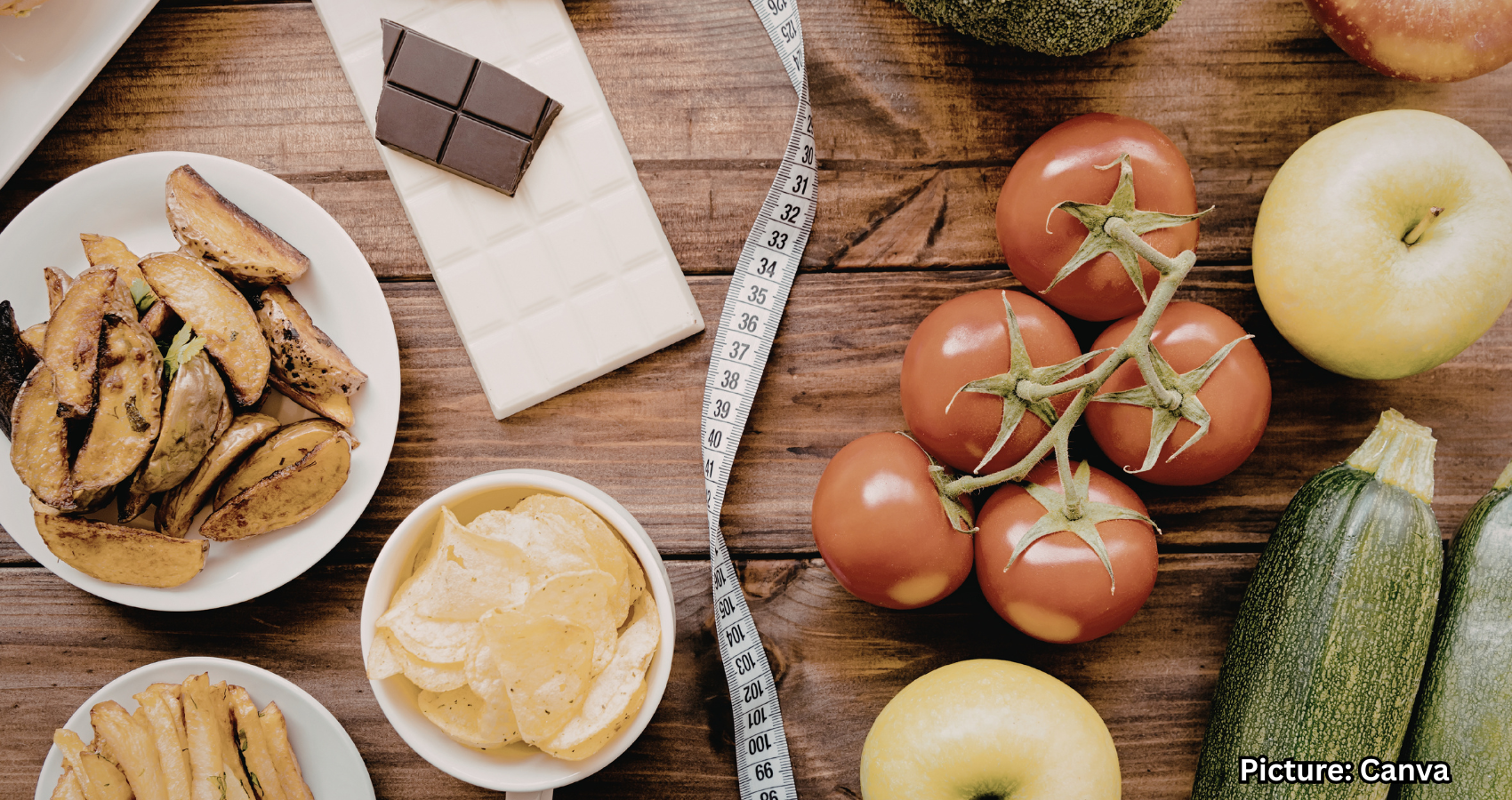
The newly announced 2025-2030 Dietary Guidelines from the USDA and HHS have dramatically altered the traditional food pyramid, prioritizing protein while raising concerns among health experts.
The 2025-2030 Dietary Guidelines, recently unveiled by the Department of Health and Human Services (HHS) and the U.S. Department of Agriculture (USDA), have fundamentally transformed the longstanding food pyramid. This new model inverts the traditional hierarchy, placing grains at the bottom and emphasizing protein sources such as meats, full-fat dairy, healthy fats, fruits, and vegetables as the foundation of a healthy diet.
One of the most significant changes in the new guidelines is the nearly doubled recommendation for protein intake. Previously set at 0.8 grams per kilogram of body weight, the new guidelines suggest a range of 1.2 to 1.6 grams per kilogram. This shift has raised eyebrows among nutritionists and health experts alike.
At a March 13 briefing hosted by the American Society for Nutrition, a panel of experts analyzed the implications of the new dietary guidelines, particularly concerning school lunch programs. They also addressed the health risks associated with ultra-processed foods and the benefits of traditional ethnic diets.
Dr. Christopher Gardner, a Professor of Medicine at Stanford University, remarked on the political noise surrounding the new food pyramid. He attributed this uproar to the sensationalist presentation of the guidelines. “There’s a lot of sound advice in the new dietary guidelines,” he stated, emphasizing the importance of consuming more legumes such as beans, peas, and lentils. However, he criticized the convoluted representation of foods within the pyramid itself.
Some aspects of the 2025-2030 Dietary Guidelines have sparked controversy, particularly those that contradict decades of established health advice, especially regarding cardiovascular health. Dr. Gardner expressed concern that the new emphasis on protein at every meal and the substantial increase in daily protein recommendations could lead to excessive consumption. “Protein has never been a nutrient of concern in these dietary guidelines,” he noted.
What is particularly alarming, according to Dr. Gardner, is the focus on red meats, heavy fats like butter and tallow, and full-fat dairy products, all of which have been linked to cardiovascular diseases, diabetes, and other chronic health issues. “Beef is back, butter is back, meat is back,” he said, highlighting the potential health risks associated with these recommendations.
School nutrition programs play a crucial role in providing meals for many children across the United States. For numerous families, schools offer two primary meals each day—breakfast and lunch—due to a lack of resources, time, or inclination to prepare healthy meals at home.
The Healthy, Hunger-Free Kids Act of 2010, championed by Michelle Obama, aimed to combat childhood obesity by raising school nutrition standards. This legislation mandated increased servings of fruits, vegetables, and whole grains while limiting sodium, sugar, trans fats, and calories.
The current guidelines advocate for the removal of ultra-processed foods and added sugars from school meals. Dr. Gardner suggested that replacing sugary chocolate milk with whole-fat milk could be beneficial, but he cautioned that prioritizing protein in school lunches may be more about funding than nutrition.
He speculated that the new focus on beef and butter could be influenced by powerful lobbyists in the meat, dairy, and egg industries. “So there is certainly politics involved,” he said.
Dr. Marian Nestle, a Professor of Nutrition and Food Studies, pointed out that while the guidelines discourage ultra-processed foods, the current administration emphasizes personal responsibility in dietary choices. She noted that these foods are often designed to be “irresistible if not addictive” and are frequently the only affordable options for low-income families. “Eating ‘real food’ requires accessibility—time, cooking equipment, and the financial means to purchase fresh groceries—resources that many low-income workers lack,” she added.
Dr. Sailesh Rao, Founder of Climate Healers, raised ecological concerns regarding the new guidelines. He argued that the recommendations could exacerbate environmental issues during a climate emergency. By promoting increased protein intake and encouraging the consumption of red meat and full-fat dairy, the government may inadvertently support dietary patterns that contribute to habitat loss, water scarcity, and methane emissions.
If Americans were to follow the new pyramid and double their meat consumption, Dr. Rao warned of the staggering environmental impact. He explained that producing the higher quantities of “real foods” recommended in the guidelines would likely lead to a significant expansion of factory farming and concentrated animal feeding operations (CAFOs), which are known to pollute local groundwater and adversely affect the health of rural and minority communities nearby.
Dr. Rao advocates for more sustainable, plant-forward ethnic diets as a solution for a stable climate and clean water. He emphasized the nutritional completeness and sustainability of traditional diets, such as the dal and grains of India, the beans and corn of Mesoamerica, and the soy and vegetables of East Asia. “The new pyramid actually de-emphasizes these foundations by pushing grains and legumes to the bottom,” he stated. “We need to reclaim the ‘pre-colonial’ health of these diets, which were naturally low in animal protein and high in fiber. It’s not about deprivation; it’s about returning to the wisdom that kept our ancestors healthy for thousands of years.”
The new guidelines represent a significant departure from previous recommendations, raising questions about their long-term implications for public health and the environment. As experts continue to analyze these changes, the conversation surrounding nutrition and dietary guidelines remains as crucial as ever.
According to India Currents.