
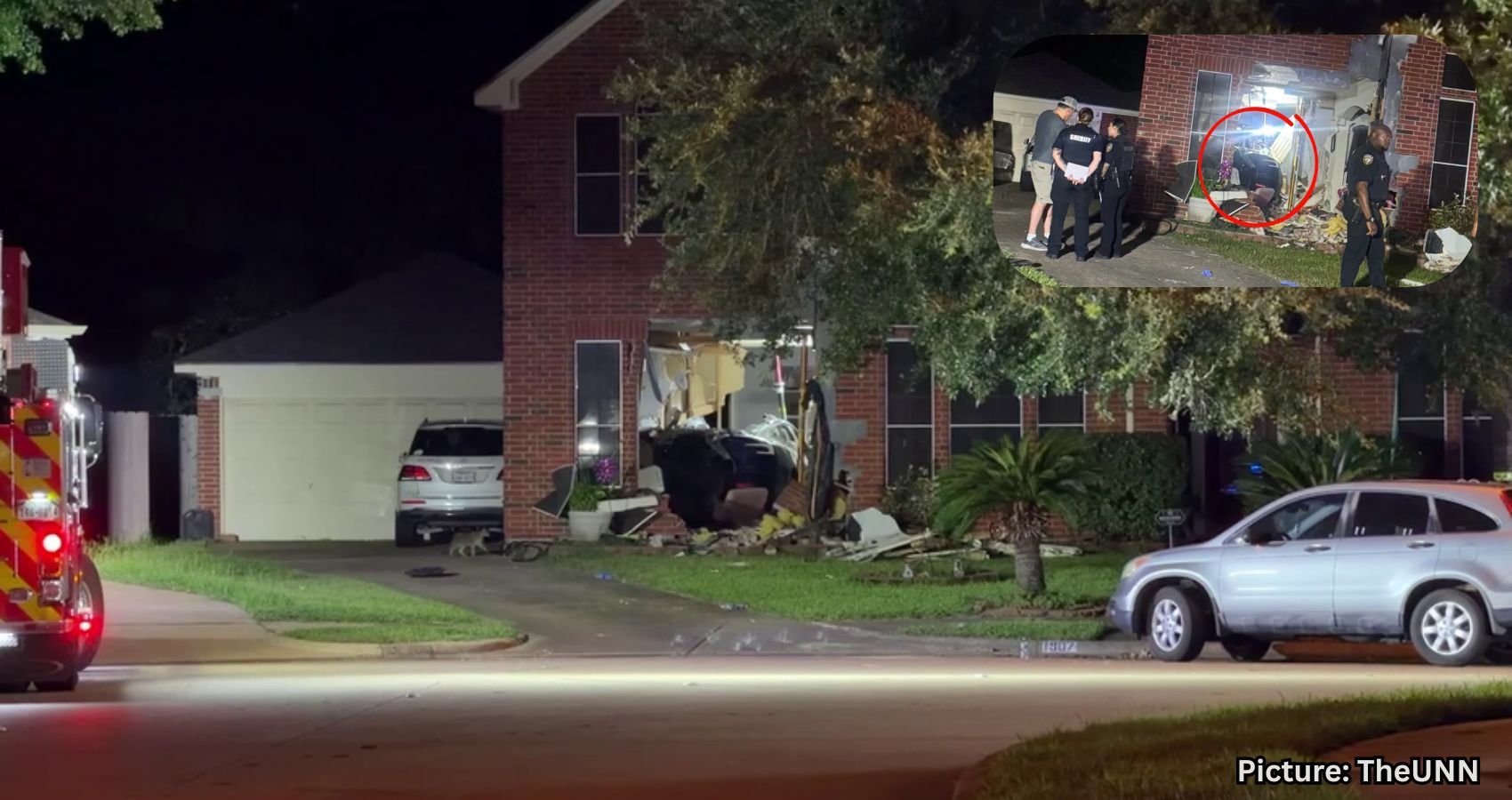
Tesla is facing a wrongful death lawsuit following a fatal crash in Texas, raising questions about the safety of its Autopilot and Full Self-Driving systems amid federal investigations.
Tesla is embroiled in a wrongful death lawsuit after a tragic incident in Katy, Texas, has intensified scrutiny of the electric vehicle manufacturer’s driver-assistance technology. The lawsuit follows the death of 76-year-old Martha Avila, who was killed when a Tesla Model 3 crashed into her suburban Houston-area home on June 19.
The complaint was filed by Avila’s family, who allege that the vehicle’s driver, Michael Butler, informed law enforcement that Tesla’s automated driving assistance system was engaged at the time of the crash. The lawsuit claims that both Tesla’s Autopilot and Full Self-Driving systems are defective and that the company failed to adequately warn users about the potential risks associated with these technologies.
Filed in a Harris County, Texas, court, the lawsuit seeks more than $1 million in damages, including punitive damages. The family contends that Tesla exhibited “reckless disregard” for the dangers posed by its driver-assistance technologies.
This case emerges as both the U.S. National Transportation Safety Board (NTSB) and the National Highway Traffic Safety Administration (NHTSA) have launched investigations into the incident. Federal regulators are expected to analyze vehicle data and onboard computer logs to assess the role, if any, that Tesla’s software played in the crash.
Tesla has pushed back against claims that its automated driving technology was responsible for the accident. Ashok Elluswamy, the company’s vice president of AI software, stated that the driver manually overrode the system by pressing the accelerator pedal to its maximum position. Tesla asserts that the vehicle reached speeds of approximately 73 mph before colliding with the residence, a speed the company claims would not typically occur under Full Self-Driving operation in a residential area.
Chief Executive Elon Musk has also defended the technology, emphasizing that Tesla’s Full Self-Driving system is designed to operate cautiously on neighborhood streets.
The crash has reignited discussions about the safety and marketing of advanced driver-assistance systems. Tesla’s Autopilot and Full Self-Driving features are intended to assist drivers but require continuous human supervision and readiness to take control. Over the past decade, regulators have investigated numerous crashes involving Tesla vehicles equipped with these technologies.
The NHTSA has initiated nearly 50 special investigations into Tesla vehicles where advanced driver-assistance systems were suspected to be in use, with around two dozen fatalities linked to these cases. The agency is also conducting broader reviews of Tesla’s Full Self-Driving technology and its capability to alert drivers in challenging conditions.
For the Avila family, this lawsuit represents a pursuit of accountability and a desire to understand the circumstances surrounding the crash. For Tesla, it signifies yet another high-profile legal challenge as regulators, courts, and consumers continue to scrutinize the real-world performance of increasingly sophisticated driving technologies.
According to The American Bazaar, the outcome of this case could have significant implications for the future of autonomous driving technologies and the responsibilities of manufacturers in ensuring the safety of their products.