
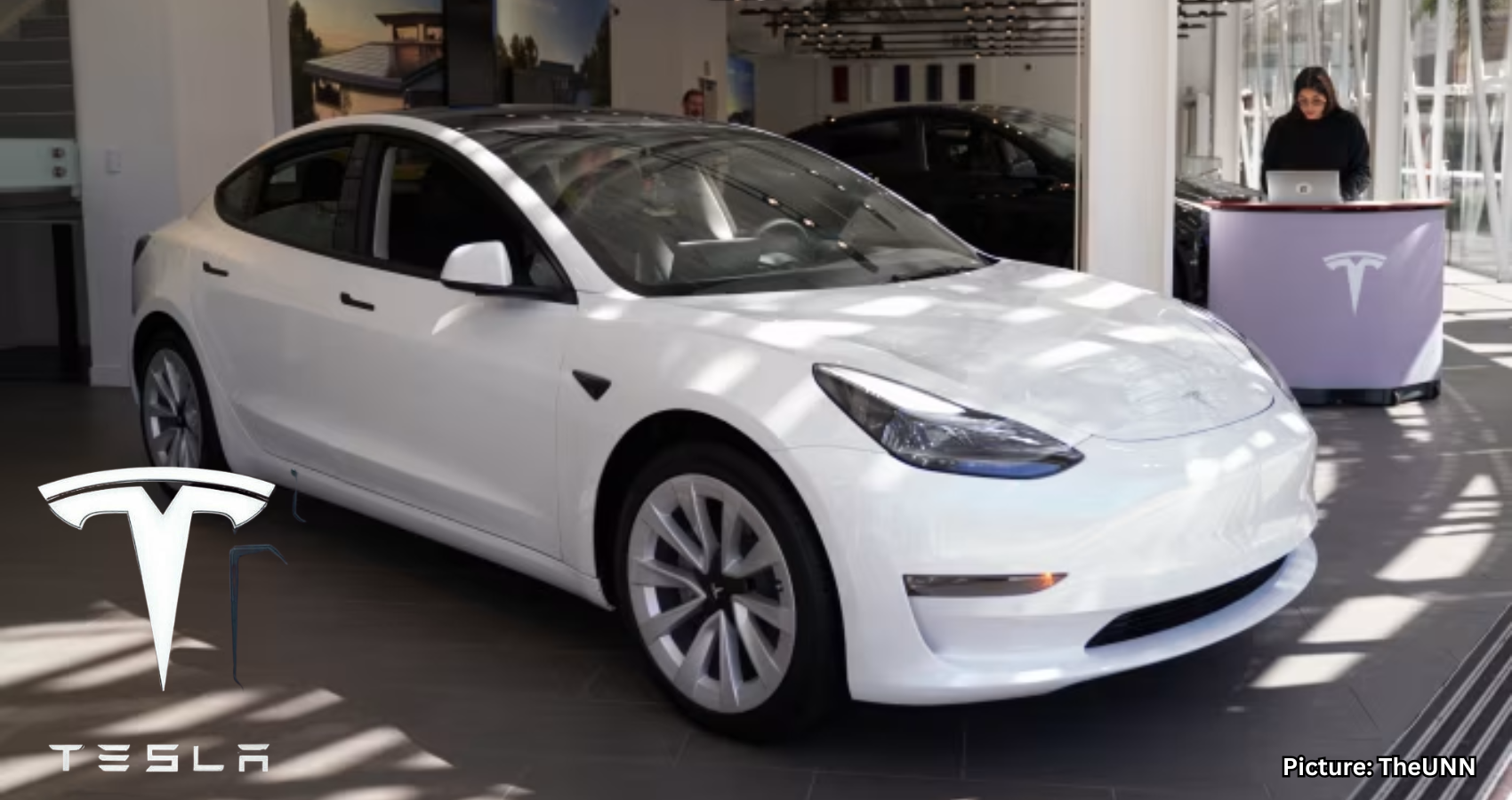
Tesla is under investigation by the NHTSA over potential safety concerns related to the emergency door release design in its Model 3 vehicles, raising questions about passenger safety in emergencies.
Tesla is facing scrutiny from the U.S. auto safety regulator, the National Highway Traffic Safety Administration (NHTSA), regarding the emergency door release design in its Model 3 compact sedans. The investigation was announced on December 23, following a defect petition that raised concerns about the accessibility and visibility of the emergency door release controls during critical situations.
The NHTSA’s inquiry focuses on whether the placement, labeling, and overall design of the emergency door release could pose a safety risk. In emergencies such as crashes, fires, or power failures, it is crucial for passengers to exit the vehicle quickly and safely. However, reports have indicated that the mechanical door release in the Model 3 may be hidden, unlabeled, and not intuitive for occupants unfamiliar with the vehicle.
In Tesla Model 3 vehicles, doors are primarily opened using electronic buttons instead of traditional handles. While mechanical emergency releases are included in the design, some users have reported difficulty locating these releases under stress or in low-visibility conditions. This has prompted the NHTSA to take a closer look at the situation.
The NHTSA’s defect investigations are preliminary steps in the regulatory process and do not automatically lead to a recall. During this investigation, the agency will collect data, review consumer complaints, analyze the vehicle’s design, and may request additional information from Tesla. If a safety-related defect is identified, Tesla could be required to issue a recall or implement design changes to mitigate the issue.
As of now, Tesla has not acknowledged any wrongdoing. The company has consistently maintained that its vehicles comply with all applicable safety standards. Supporters of Tesla’s design philosophy argue that simplified interiors reduce clutter and that the emergency releases are adequately documented in owner manuals.
This investigation underscores a larger conversation within the automotive industry as vehicles increasingly rely on software-driven designs. As manufacturers move away from traditional mechanical controls, regulators are paying closer attention to how design choices impact usability and safety in emergency situations. The outcome of this investigation could have significant implications not only for Tesla but also for other automakers exploring similar minimalist design approaches.
While inquiries like this do not inherently indicate fault, they serve as important reminders that user experience during emergencies is a critical aspect of overall vehicle safety. The findings from this review may influence how manufacturers balance innovation with accessibility, potentially shaping future design standards across the automotive industry.
According to The American Bazaar, the investigation reflects ongoing concerns about passenger safety in modern vehicles.