
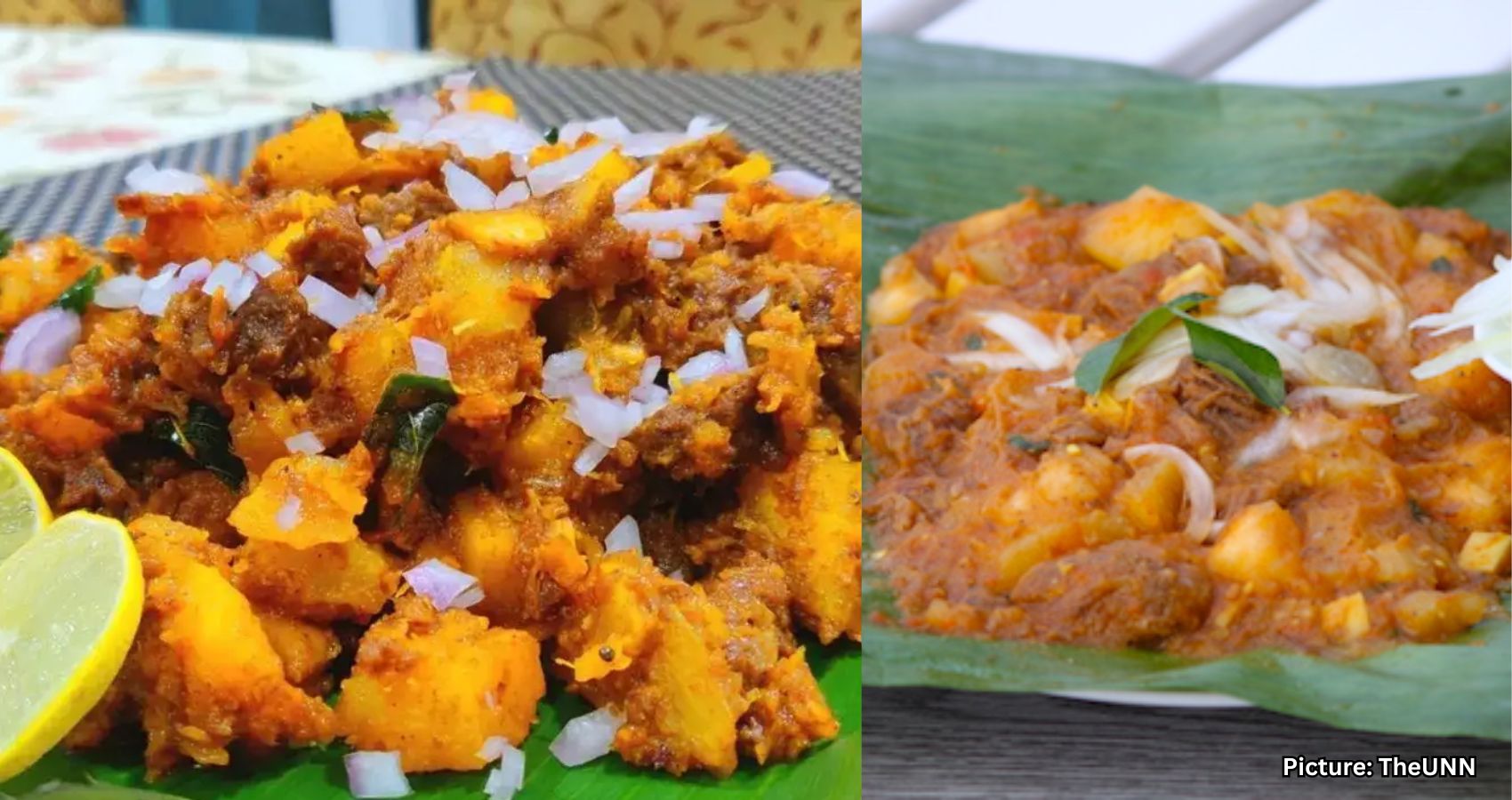
A centuries-old culinary tradition at St. John the Baptist Church in Kerala fosters religious harmony, drawing over 50,000 attendees from diverse faiths to its annual Puzhukku Nercha feast.
On October 29, 2025, St. John the Baptist Church in Nedumkunnam, Kerala, hosted a remarkable gathering that attracted more than 50,000 people from various faiths. This event was centered around the parish’s unique culinary tradition known as Puzhukku Nercha, a ritual food offering celebrated during its annual feast. The church is part of the Changanacherry archdiocese and is renowned for this special event.
Father Varghese Kaithaparambil, the parish priest, remarked on the efficiency of the serving process, stating, “It took only about 10 to 15 minutes to serve everyone.” Puzhukku is a traditional dish from Kerala, consisting of a hearty mix of tapioca, yam, banana, fish, or meat, all mashed together. The term “nercha” signifies a vow or offering, typically involving the communal sharing of food during festive occasions.
Father Kaithaparambil elaborated on the significance of the event, noting that devotees are seated in long rows, reminiscent of the biblical story of Jesus feeding the multitudes.
The roots of this practice can be traced back to 1803, when Portuguese sailors, having survived a perilous sea journey, constructed the church as an expression of gratitude. “They kept their promise, and Nedumkunnam was blessed with this parish,” Father Kaithaparambil explained. This church is notably the only one in the archdiocese dedicated to St. John the Baptist.
Initially, worshippers who traveled long distances to attend Sunday Mass were served rice. However, during World War II, when rice became scarce, the parish priest at the time encouraged the community to prepare puzhukku instead. What began as a wartime necessity has since transformed into a cherished tradition that has only strengthened over the years.
“This year alone, over 50,000 people attended the feast,” said Joychan Cherusseril, a parish trustee, highlighting the event’s growing significance.
The Puzhukku Nercha has become a symbolic vow embraced by the local community, which includes Christians, Hindus, and Muslims. Many attendees even report experiencing healing after partaking in the puzhukku.
Nearly a decade ago, the parish introduced the ara nirakkal, or “filling the granary” procession, where residents from all religious backgrounds come together to contribute ingredients for the grand feast. This annual gesture symbolizes unity and cooperation among the diverse community.
The scale of preparations for the feast is truly extraordinary. Cooking begins at 2 AM following a special prayer, and food is prepared in 35 large copper pots over traditional firewood stoves. Once cooked, the puzhukku is stored in bamboo baskets to maintain its authenticity. Community members, including men, women, and nuns, gather to chop vegetables and meat, while the meal is served on teak leaves that have been carefully collected and preserved in advance. Devotees also take portions of the nercha home, further extending the spirit of the feast.
For both the parish and the wider community, this annual tradition transcends mere sustenance; it serves as a powerful symbol of brotherhood, gratitude, and religious harmony, deeply embedded in the cultural fabric of Kerala. The Puzhukku Nercha continues to unite people from all walks of life, fostering a sense of community and shared values.
This unique celebration illustrates how food can bridge divides and promote understanding among different faiths, reinforcing the idea that communal gatherings can play a vital role in nurturing harmony within diverse societies, according to Source Name.