
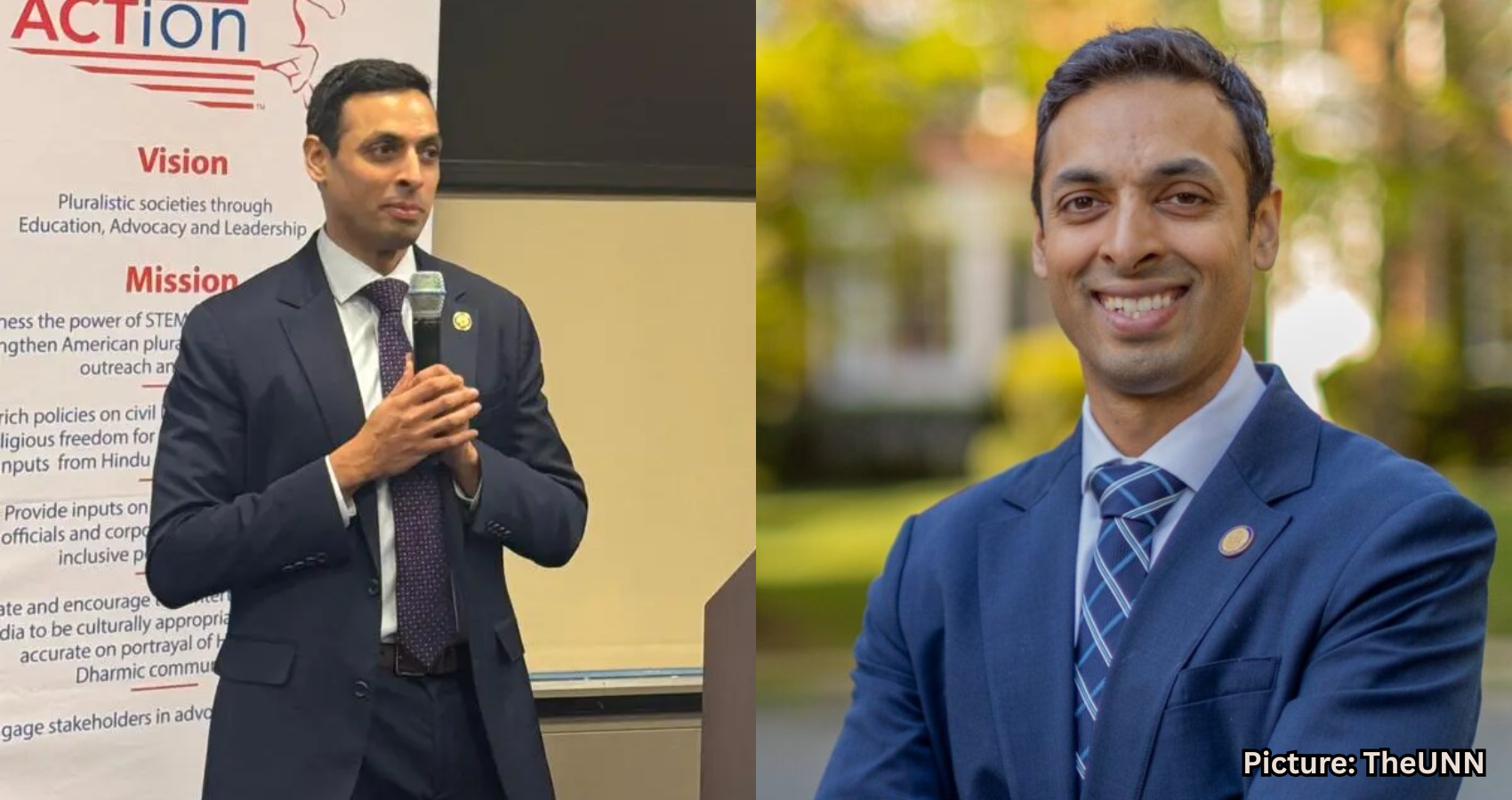
U.S. lawmakers, led by Rep. Suhas Subramanyam, highlighted human rights violations against religious minorities in Bangladesh as the country approaches elections, calling for increased international attention.
In a recent congressional briefing, U.S. lawmakers expressed grave concerns over human rights violations and violence against religious minorities, particularly Hindus, in Bangladesh. As the nation gears up for elections, they urged for greater international scrutiny of incidents that have largely gone underreported.
Representative Suhas Subramanyam, who represents Virginia’s 10th Congressional District and serves on the Tom Lantos Human Rights Commission, emphasized the importance of shining a light on these abuses. “Human rights is an issue everywhere,” he stated. “But sometimes it gets all the news. You see it on the news every day, and sometimes it doesn’t get any attention or any news.”
The briefing, held at the U.S. Capitol, was organized by HinduAction and the Coalition of Hindus of North America (COHNA). Subramanyam noted that the focus of the discussion was on the “human rights violations and violence against religious minorities like Hindus, in Bangladesh.”
Highlighting the urgency of the situation, he remarked, “We see the faces and the names here of victims of it,” referring to the ongoing political tensions in Bangladesh. “The reality is there’s an election in three days, and one political group is not allowed to participate.”
Subramanyam also raised concerns about allegations of voter suppression and violence that disproportionately affect minority communities. “In other cases, we’re seeing instances of voter suppression of minority groups, and then we see actual violence,” he explained.
While acknowledging that the United States has its own human rights challenges, Subramanyam asserted that the nation should hold its partners and allies to fundamental standards. “We want to certainly do a good job as Americans here in the U.S. when it comes to human rights. We’re not perfect,” he said. “But we also want our friends and allies, and all countries around the world to, you know, at least meet a certain standard.”
This standard, he elaborated, involves treating individuals equally, regardless of their religion, race, background, culture, identity, or ethnicity.
Subramanyam underscored the necessity of open dialogue on these pressing issues. “This is so important to be able to discuss these issues in the open and to bring attention to things that are not getting reported enough,” he said, expressing gratitude to the organizers for facilitating the briefing.
Representative Tom Barrett also spoke at the event, linking human rights advocacy to broader U.S. foreign policy objectives. “I appreciate the partnership of all of you as we look to really carry out the best that we can through America’s foreign policy to make sure that we’re enriching the livelihoods of others across the world,” Barrett remarked.
A former U.S. Army officer, Barrett shared that his 22 years of military service were largely shaped by counterterrorism operations. “That time that I spent was centered around America’s war on terror,” he noted, emphasizing efforts to deter Islamic terrorism and protect Americans and others globally.
The discussions at the briefing reflect a growing concern among U.S. lawmakers regarding the treatment of religious minorities in Bangladesh, especially as the nation approaches a critical electoral period. The call for increased international attention highlights the ongoing struggle for human rights and the need for accountability in countries facing political turmoil.
As the situation develops, it remains to be seen how the international community will respond to these urgent calls for action, particularly in light of the upcoming elections in Bangladesh, which are expected to be contentious.
According to IANS, the briefing aimed to raise awareness and foster dialogue on these critical issues affecting religious minorities in Bangladesh.