
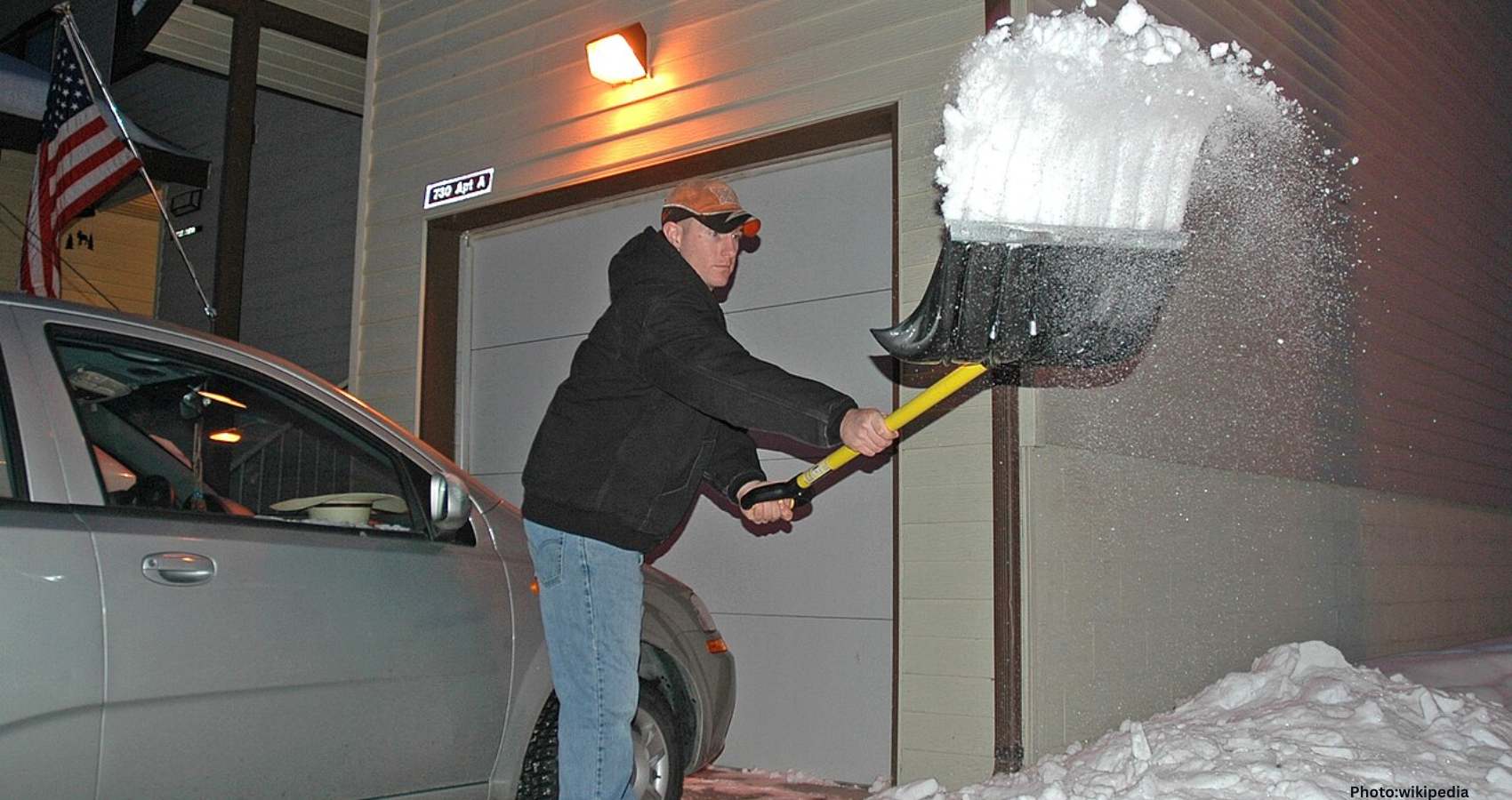
Heart health experts warn that shoveling snow can pose serious risks, particularly for older adults and those with existing cardiovascular conditions.
As a major winter storm approaches, heart health experts are sounding the alarm about the physical strain that snow shoveling can impose, especially on older adults. A 2025 review from the Mayo Clinic revealed that just ten minutes of heavy snow shoveling can elevate the heart rate to approximately 97% of its maximum capacity. Additionally, exposure to cold air can increase blood pressure and diminish coronary blood flow.
While there is no official age limit for shoveling snow, cardiologists advise individuals over the age of 45 to exercise caution to mitigate the risk of a cardiac event. Dr. Navjot Kaur Sobti, an interventional cardiologist at Northwell’s Northern Westchester Hospital in Mount Kisco, New York, emphasized the need for caution, particularly for those who are less active or do not engage in regular exercise. “While there’s no strict age cutoff, generally above the age of mid-40s, we tend to be a little more cautious,” she stated.
Dr. Sobti further noted that individuals over 65, especially those with risk factors for heart disease—such as high blood pressure, high cholesterol, diabetes, obesity, or a sedentary lifestyle—should be particularly vigilant when it comes to snow shoveling. “We recommend being very, very cautious about shoveling snow,” she advised.
Dr. John Osborne, a practicing cardiologist in Texas and a volunteer for the American Heart Association, echoed these sentiments, particularly for men over 65. He suggested that unless a person is in good cardiovascular shape, it may be wise to seek assistance with snow removal.
The dangers of snow shoveling are especially pronounced for those with existing cardiovascular risks or a history of heart attack or stroke. Dr. Osborne pointed out that individuals who have undergone bypass surgery or coronary angioplasty should avoid shoveling snow altogether. He often encounters cardiac episodes in people who lead sedentary lifestyles, only to exert themselves during snow removal a few times a year. “That unexpected exertion can unfortunately lead to tragedy,” he cautioned.
Dr. Sobti explained that the stress placed on the heart while shoveling snow is akin to what occurs during a cardiac stress test, and may even exceed it. Cold temperatures can cause blood vessels to constrict and blood pressure to rise, which, when combined with the physical exertion of lifting snow, can significantly strain the heart. “It’s almost like an at-risk person is putting themselves through an unsupervised maximal exertion stress test without a cardiologist actively monitoring them,” she remarked.
Recent research has indicated that cold exposure is responsible for nearly twice as many cardiovascular deaths as heat exposure, including cases of heat exhaustion. A study published in the *Annals of Internal Medicine* last month found that individuals over the age of 65 had higher rates of temperature-related deaths. “So the risk is very, very high,” Dr. Sobti warned, attributing this to the sudden rise in blood pressure coupled with the physical stress of shoveling snow.
To minimize risks, Dr. Sobti recommends having someone assist with snow removal. If you choose to shovel, she advises pacing yourself and using a pushing or sweeping motion instead of heavy lifting. To protect against the cold, covering your mouth, nose, and extremities, as well as wearing a hat and gloves, is essential. Extra caution should also be taken in windy conditions.
Using an automated snow blower can still elevate the heart rate, reaching up to 120 beats per minute, compared to 170 beats per minute while shoveling, according to the American Heart Association.
It is crucial to remain vigilant for any symptoms of potential cardiac issues while shoveling. Dr. Sobti emphasizes that warning signs such as chest pain, shortness of breath, a racing heart, or palpitations should never be ignored. Even if symptoms resolve after a few minutes, it is vital to seek medical evaluation, as they could indicate a heart attack. “It’s better really to be safe than sorry,” she concluded.
For those concerned about their heart health during winter weather, these insights serve as a timely reminder to prioritize safety while managing snow removal.
According to Fox News Digital.