
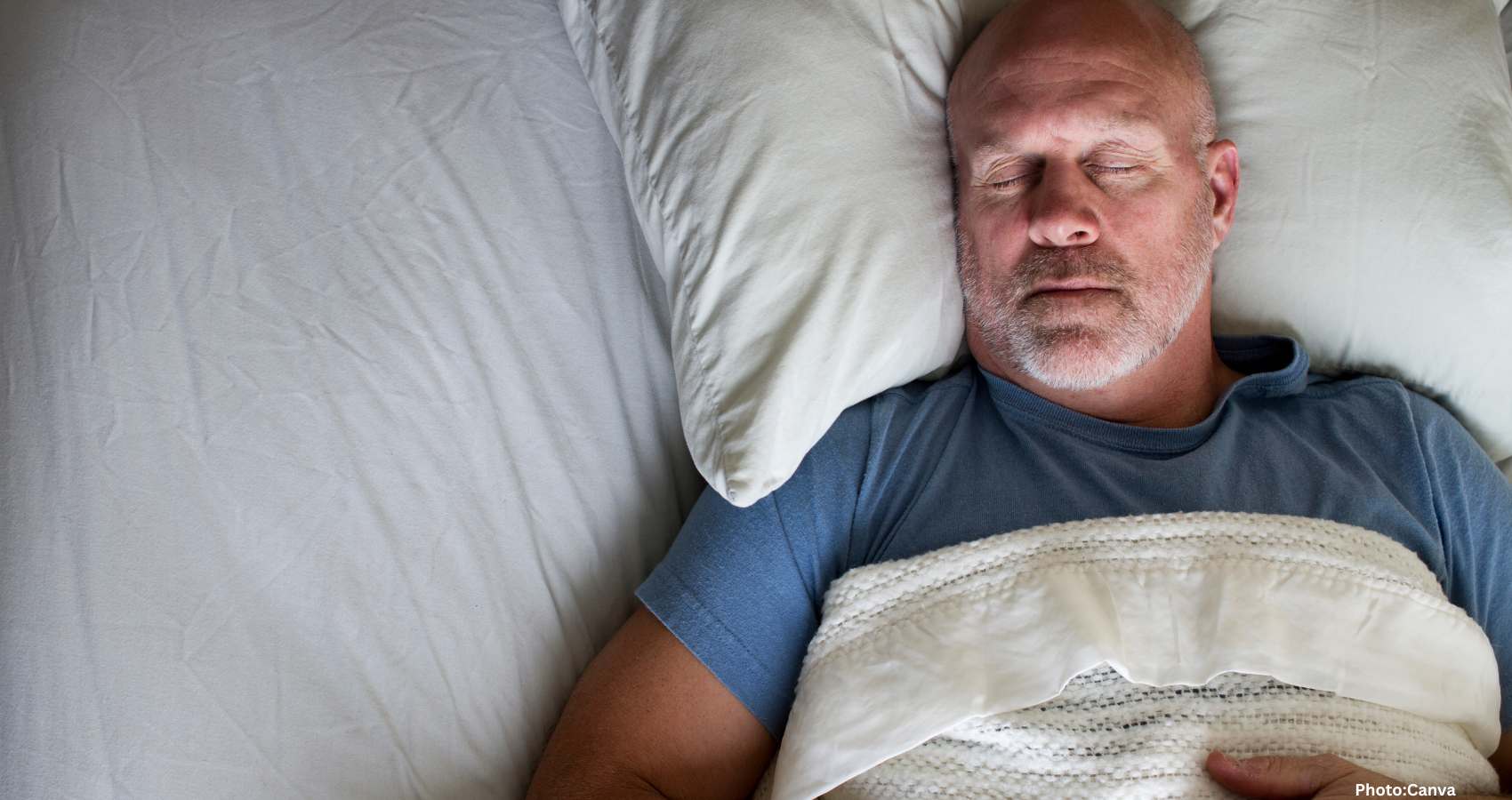
Your sleep position may be impacting your health more than you realize, with experts warning about potential nerve damage and other issues linked to common sleeping postures.
The way you sleep could be affecting your health in ways beyond just discomfort. Experts are increasingly recognizing that sleep posture can lead to various issues, including nerve damage, snoring, and acid reflux symptoms.
According to Shelby Harris, a clinical psychologist and behavioral sleep specialist, comfort is often the primary reason people choose their sleep positions. “What we care about is if someone is comfortable in their sleep position. Oftentimes we sleep in certain ways because of comfort,” Harris explained.
However, the comfort of a chosen position can sometimes lead to discomfort. When individuals sleep in awkward postures, their bodies remain motionless throughout the night, which can place stress not only on nerves but also on muscles and ligaments.
Interestingly, experts note that the tendency to sleep in curled-up positions is not necessarily linked to mental states or stress levels. Harris emphasizes that a physical approach to adjusting sleep posture might be the most effective way to alleviate discomfort. “Someone’s sleep position means really nothing about their psychological state or tension or stress or trauma,” she stated.
Nerve damage is a significant concern for those who sleep with their arms bent or tucked, a position humorously referred to as the “T. rex position” on social media. Health professionals warn that numbness in the arms during sleep is often associated with nerve compression. A 2023 review of cubital tunnel syndrome highlights that sleeping with the elbow sharply bent or tucked under a pillow can increase pressure on the nerve, exacerbating symptoms such as numbness and shooting pain in the forearms.
While back sleeping may appear to be a beneficial way to keep arms untucked, it can also contribute to snoring and acid reflux, according to the Sleep Foundation. Understanding the benefits and risks of various sleeping positions is crucial before making any changes.
The Sleep Foundation provides a detailed analysis of stomach sleeping, noting that lying face-down can misalign the spine and is often linked to back, neck, and shoulder pain. This discomfort arises primarily because individuals must twist their heads to one side to breathe. Despite being the least common sleeping position, stomach sleeping has been associated with a reduction in snoring.
According to Harvard Health, which references data from the Sleep Foundation, side sleeping is the most prevalent position and can be beneficial for many individuals. The Mayo Clinic also recommends side sleeping with knees slightly bent and a pillow between the legs to help align the spine, pelvis, and hips, thereby reducing pressure on the back.
Johns Hopkins Medicine suggests that the importance of sleep position increases with age or the development of medical issues. They highlight back or side sleeping as more supportive options for overall health.
Several medical centers and sleep resources advocate for a gradual transition to side or back sleeping. They recommend using thinner pillows or none at all if individuals find it difficult to stop stomach sleeping, as this can help limit neck twisting and lumbar arching.
If you find yourself struggling to sleep regardless of your position or feel that your sleep is not restorative, Harris advises consulting a sleep specialist for further guidance.
According to Fox News Digital, understanding the implications of your sleep position can lead to better health outcomes and improved overall well-being.