
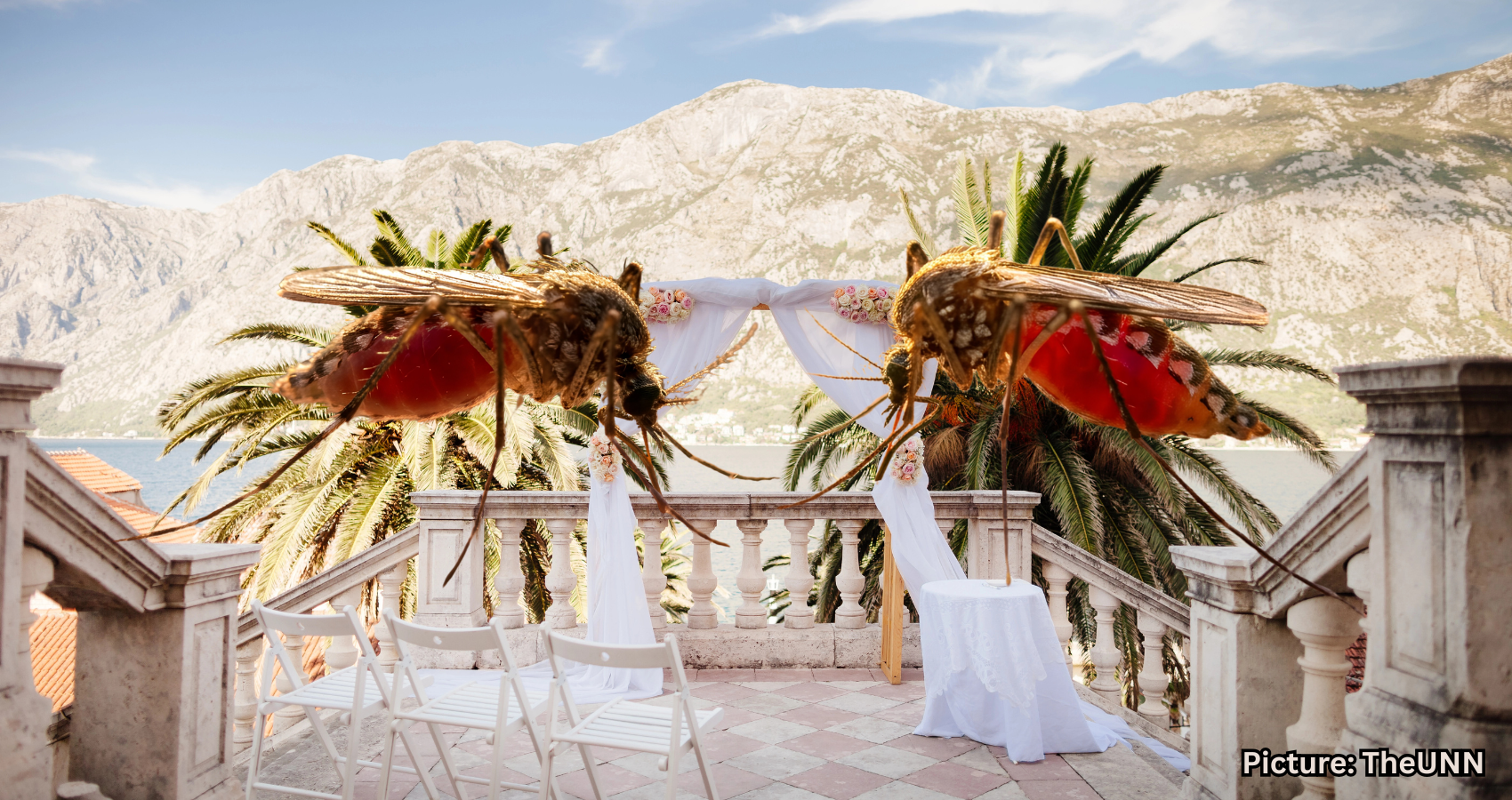
New research indicates that nearly all Hawaiian forest birds are carriers of avian malaria, heightening extinction risks for native wildlife in this popular honeymoon destination.
Recent studies have revealed alarming findings regarding avian malaria in Hawaii, a popular honeymoon destination. Almost every forest bird species in the state is now implicated in the spread of this disease, raising significant concerns for local wildlife.
The research, published in Nature Communications, was conducted by scientists from the University of Hawaii at Mānoa and the University of California. They analyzed blood samples from over 4,000 birds across 64 sites throughout Hawaii, uncovering a troubling trend in avian health.
To further investigate the transmission dynamics, the researchers conducted feeding trials where mosquitoes were allowed to feed on infected birds. They tracked whether these mosquitoes could spread the disease under various temperature conditions. The findings indicated that both native and introduced species of forest birds can infect mosquitoes, even when they carry only small amounts of the malaria-causing parasites. Remarkably, these mosquitoes can harbor the disease for months or even years.
“Avian malaria has taken a devastating toll on Hawaii’s native forest birds, and this study shows why the disease has been so difficult to contain,” stated Christa M. Seidl, a researcher involved in the study and a PhD candidate at the University of California, Santa Cruz. “When so many bird species can quietly sustain transmission, it narrows the options for protecting native birds and makes mosquito control not just helpful, but essential,” she added.
The implications of this research are particularly concerning given that mosquitoes, which are not native to Hawaii, could significantly increase the risk of extinction for the islands’ forest birds. The ʻakikiki, a bird endemic to Kauai, has already been declared extinct in the wild due to the impacts of avian malaria.
While avian malaria is caused by protozoa from the same family that leads to malaria in humans, the strains affecting birds cannot be transmitted to people, according to the National Audubon Society. However, even non-fatal cases of avian malaria can have detrimental effects on birds. The disease can shorten telomeres, which are critical components of DNA that influence lifespan. This shortening can also be passed on to offspring, resulting in a new generation of birds with reduced lifespans.
The researchers acknowledged some limitations in their study. Primarily, they used lab-controlled canaries to assess transmission dynamics for different levels of the parasite, which may not accurately represent all wild bird species. Additionally, they encountered technical challenges in measuring the exact quantity of malaria-carrying saliva produced by mosquitoes at varying temperatures, although their models largely accounted for these variables.
Furthermore, tracking every mosquito bite in the wild is not feasible. Instead, the researchers relied on infection patterns as an indirect method to estimate the feeding preferences of mosquitoes. If a particular bird species is infected more frequently, it suggests that mosquitoes are biting them more often.
As the threat of avian malaria looms over Hawaii’s unique bird populations, the need for effective mosquito control measures becomes increasingly urgent. The findings of this study underscore the complex interplay between disease dynamics and wildlife conservation, highlighting the challenges faced by native species in an evolving ecosystem.
According to the National Park Service, the ongoing spread of avian malaria poses a significant threat to the biodiversity of Hawaii’s forests, making it imperative for conservation efforts to adapt in response to these emerging challenges.