
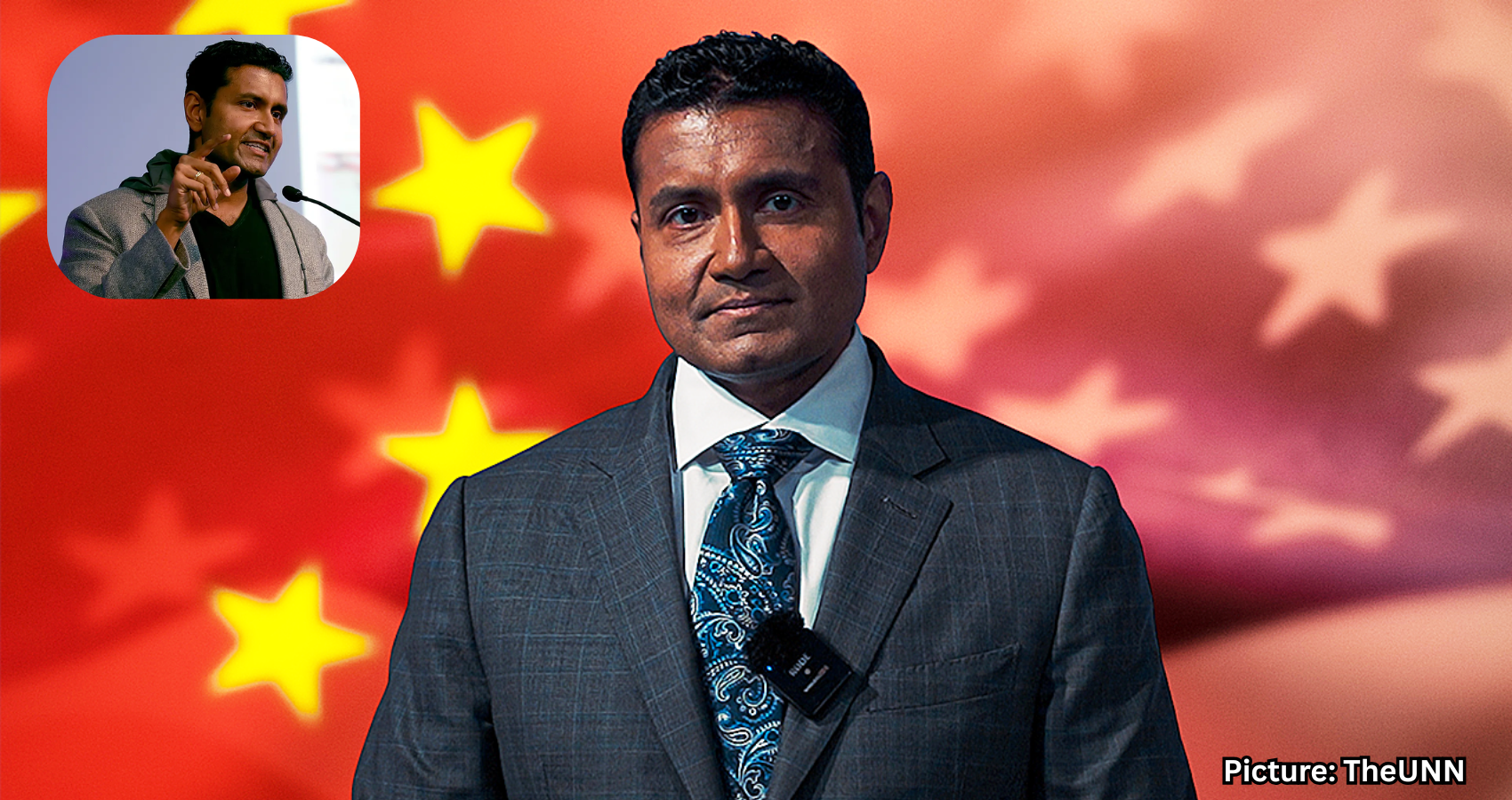
Palantir’s CTO warns that the U.S. may have only eight days of weapons in a hypothetical conflict with China, emphasizing the importance of production capacity over stockpile size.
In a recent discussion on military preparedness, Shyam Sankar, the Chief Technology Officer of Palantir, raised concerns about the United States’ reliance on its weapons stockpiles as a deterrent against potential aggression from China. He argues that the real measure of deterrence lies not in the size of the stockpile but in the nation’s production capacity—the ability to generate and replenish its arsenal quickly.
Sankar’s comments come amid growing tensions between the U.S. and China, leading to questions about the effectiveness of traditional military strategies. He suggests that the U.S. may be underestimating the urgency of enhancing its production capabilities to ensure national security.
In other developments, travelers at San José Mineta International Airport in California can now receive assistance from a humanoid robot named José. This innovative robot is designed to greet passengers, answer questions, and help them navigate the terminal, showcasing the increasing integration of artificial intelligence in everyday life.
Meanwhile, a newly formed coalition, the Alliance for a Better Future (ABF), is advocating for stronger safeguards as artificial intelligence continues to permeate various aspects of society, including schools and workplaces. The group warns that the risks associated with AI are escalating faster than the efforts to regulate and control the technology, particularly concerning child safety and worker protections.
The ABF’s formation comes at a critical time as lawmakers in Washington debate the future of AI regulation. The coalition aims to push for measures that would ensure the responsible development and deployment of AI technologies, addressing the potential dangers they pose to vulnerable populations.
Additionally, the landscape of digital warfare is evolving. For years, Silicon Valley operated under the assumption that military conflicts were distant issues. However, the recent U.S.-Israeli campaign against Iran, dubbed Operation Epic Fury, has highlighted the direct involvement of American technology companies in active warfare. This shift marks a significant change in how tech firms are perceived, as they become not just suppliers but also targets in geopolitical conflicts.
In his upcoming book, “The New AI Cold War,” Sankar warns that the intersection of technology and warfare is becoming increasingly complex, with implications that extend beyond traditional military strategies. The reality of digital warfare is reshaping the landscape, urging both the tech industry and policymakers to reconsider their roles in national security.
As discussions about AI and military readiness continue, it is clear that the implications of these technologies will have far-reaching effects on society and global relations. The need for a balanced approach to innovation and regulation is more pressing than ever.
For more insights on the intersection of technology and national security, stay tuned to developments from industry leaders and policymakers, as they navigate this rapidly changing landscape.
According to Fox News, the challenges posed by AI and military preparedness are becoming critical issues that require immediate attention and action.