
As Makar Sankranti approaches, the author reflects on the significance of sharing traditions and fostering friendships through the celebration of this ancient festival in a new cultural landscape.
Arriving in a new country often brings with it a complex set of expectations. The challenge of assimilating into a new culture while preserving cherished traditions can feel overwhelming. As I navigated this journey while raising my family, I found myself striving to balance our age-old cultural practices with the need to shield my children from potential cultural conflicts.
This experience prompted me to reflect on the significance of the traditions we follow and the socio-political contexts in which we now practice them. I wanted to embrace the pride we felt in celebrating our beloved festivals in a foreign land. However, recreating the atmosphere, sights, and smells associated with these celebrations can be difficult when the surrounding community does not share in the tradition. We had to selectively choose meaningful customs without sacrificing the joy of celebration.
In our home, we routinely celebrated Diwali and Ganesh Chaturthi, and we added the festival of Makar Sankranti to our calendar. This special holiday marks the transition of the Sun into Capricorn (Makar) on its celestial path and typically falls on January 14 each year. It was a time of great festivity at my parents’ home, steeped in traditions that date back centuries, when farmers exchanged their crops with neighbors as a gesture of friendship and sharing.
In the Indian state of Maharashtra, winter months bring the harvest of sugarcane, garbanzo beans, carrots, and other crops. Jaggery, made from sugarcane, plays a central role in various festive treats during this time.
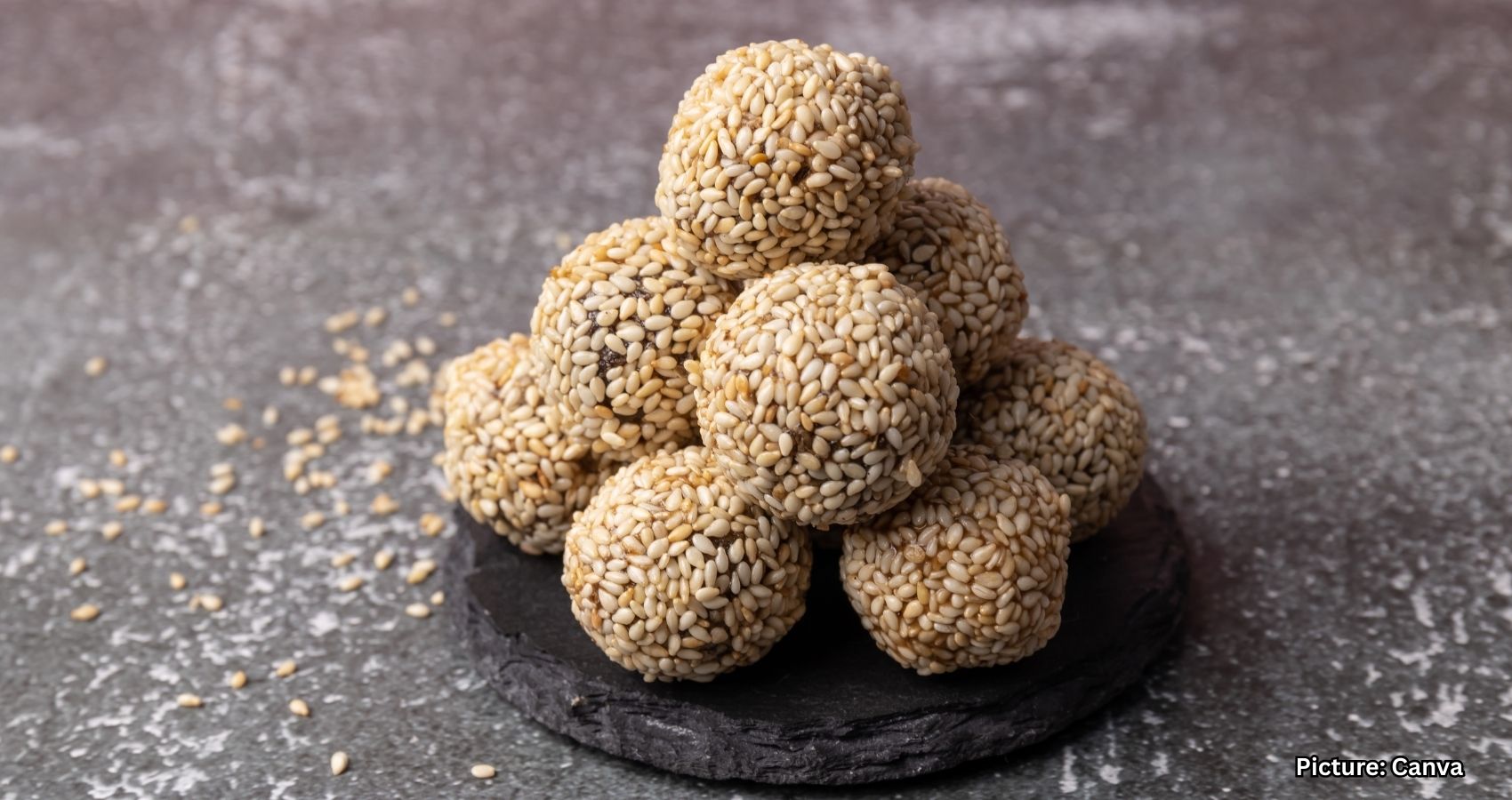
As a child, Makar Sankranti was a day filled with joy and activity. I recall filling small clay pots with sugarcane, carrots, unshelled garbanzo beans, and sweet ladoos made from sesame seeds and jaggery. I would then visit friends in the neighborhood to trade these pots, saying, “Tilgool ghya ani goad bola,” which translates to “Accept these sweets and utter sweet words.”
The essence of this tradition is to forgive past grievances, resolve conflicts, and speak kindly to one another. At the time, it felt like a delightful pastime, but upon reflection, I recognize it as a beautiful reminder to look beyond trivial disagreements and nurture bonds of friendship.
Replicating this tradition in the United States posed several challenges. In response, I adopted another custom from my childhood: inviting female friends to a Haldi-kumkum gathering, reminiscent of a high tea party. Along with tea and snacks, each guest received haldi-kumkum, a flower, tilgool ladoos, and a small gift.
Traditionally, the gift, referred to as “loot,” would include bangles, combs, bindis, or kitchen tools. In the U.S., it often consisted of kitchen towels or a set of bowls, but I always made sure to share the special significance of tilgool with my friends. My daughter and I cherished these gatherings year after year.
In Gujarat, where I grew up, the local tradition during Makar Sankranti involves flying kites. Families would prepare for this day by strengthening their kite strings with homemade starch, ready to engage in a friendly “Kite War.” A strong string could defend its own kite while attempting to cut down others as kites soared and glided across the sky.
On the morning of Sankranti, families would gather on terraces, streets, and parks to launch their kites. The skies would be filled with colorful kites, and the jubilant cries of “eh kattaaaa” (cut!) would echo throughout the neighborhood. Children would dash to collect free-falling kites, often invading others’ homes and gardens in their excitement. Those memories are etched in my mind, and I often find myself longing to relive those carefree days of my childhood.
My decision to celebrate Makar Sankranti stems from a fundamental human desire to belong, share, and bond with others. This need was evident when farmers shared their crops, fostering a sense of solidarity. Today, as our society grapples with divisions and misunderstandings, the need for connection is even more pressing. Festivals like Sankranti can help alleviate some of that tension.
Reflecting on my haldi-kumkum gatherings, I wish I had extended my guest list to include non-Indian friends. Sharing our culture, customs, and traditions could have been a small step toward finding common ground and nurturing unity among diverse communities. It is easy to envision a world where we celebrate under one sky, sharing kites and the warmth of friendship.
There is a saying in my mother tongue, Marathi: “If you have just one sesame seed, share it with seven others.” The sesame seed is known for its warmth when consumed, symbolizing the spirit of sharing and community.
As Makar Sankranti approaches, let us embrace the spirit of tilgool and extend a warm hand of friendship to those around us.
This article was first published in India Currents in 2021.