
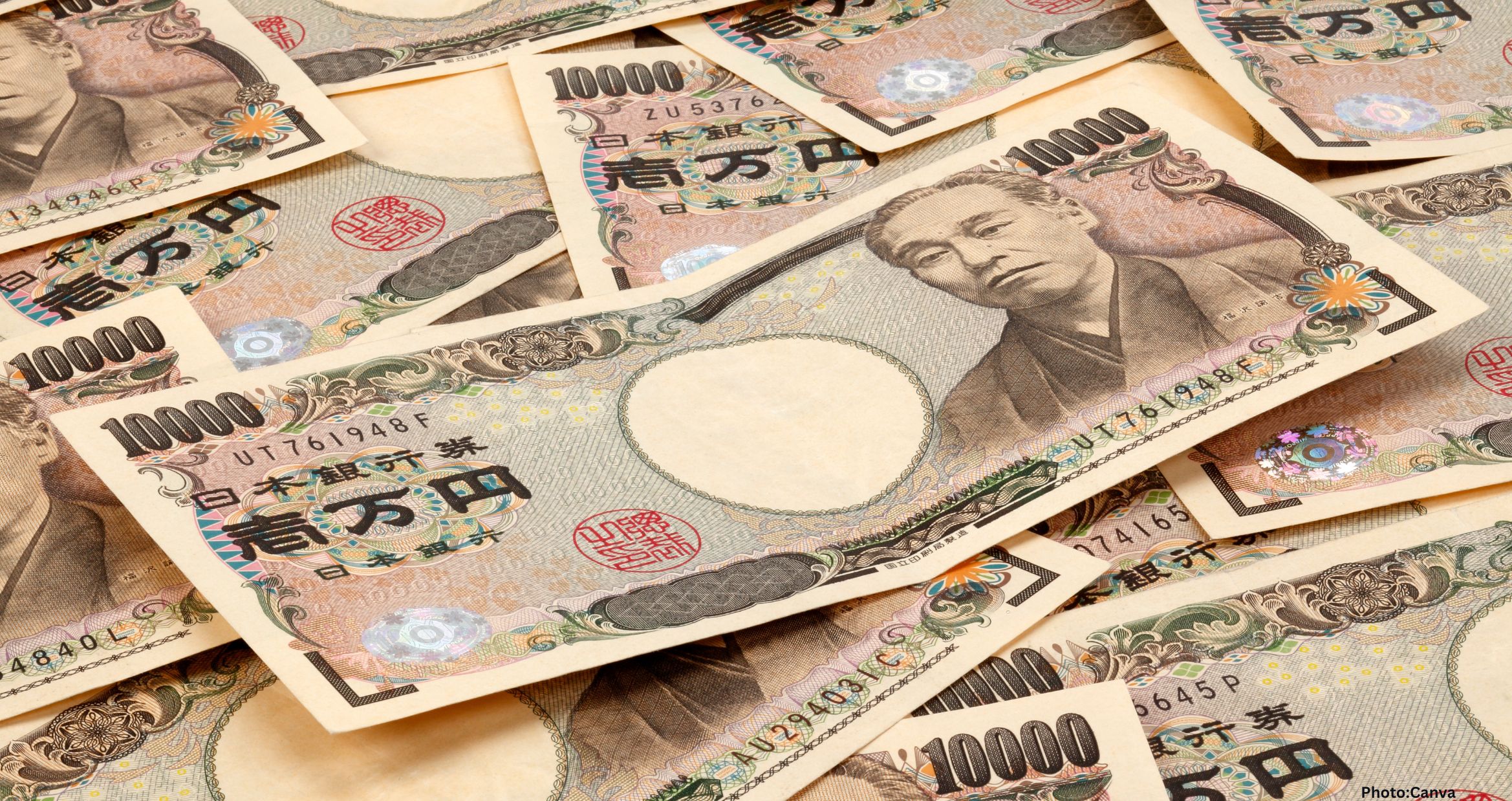
Japan may refrain from immediate yen intervention, as coordinated efforts with the U.S. have effectively stabilized the currency’s decline, according to a former Bank of Japan official.
Japan is likely to hold off on official intervention in the foreign exchange market for the time being, as recent coordinated efforts with the United States have already helped to halt the yen’s one-sided decline. This insight comes from Atsushi Takeuchi, a former official at the Bank of Japan (BOJ), who participated in Tokyo’s market interventions a decade ago.
Takeuchi noted that Friday’s suspected rate checks by the New York Federal Reserve were an extremely rare occurrence, indicating Washington’s commitment to collaborate with Japan in efforts to curb the yen’s sharp depreciation. “The presence of the U.S. made a huge difference as markets know they shouldn’t fight the Fed,” Takeuchi stated in an interview on Wednesday.
He explained that the primary goal of Japanese authorities is to prevent a sudden and steep decline in the yen, focusing more on the currency’s movements rather than specific exchange rate levels. “Now, with suspected rate checks keeping markets on edge and preventing yen bears from testing the currency’s downside, Japan probably doesn’t need to directly intervene,” he added.
Direct intervention to support the yen could inadvertently lead to a rapid appreciation of the currency, which might negatively impact stock prices. This is a concern for Japanese authorities, especially with Prime Minister Sanae Takaichi facing an election next month.
On Tuesday, the yen surged over 1% to a three-month high of 152.10 per dollar, spurred by speculation that the U.S. and Japan were conducting rate checks—an action often viewed as a precursor to official intervention. These rate checks followed a period when the yen approached the psychologically significant level of 160, a threshold that traders associate with an increased likelihood of yen-buying intervention.
Takeuchi remarked that the recent spikes in the yen’s value indicate that Japanese authorities have been successful in their psychological battle with the markets. “The biggest job of Japan’s top currency diplomat is to heighten and keep alive market fears of intervention,” he explained. “So far, Japan has succeeded in doing so.”
Historically, Japan has concentrated on preventing sharp increases in the yen that could harm its export-driven economy. However, since 2022, the focus has shifted toward defending the yen against excessive depreciation, which can lead to inflation and diminish consumer purchasing power.
Takeuchi, who participated in several yen-selling interventions from 2010 to 2012, currently serves as the chief research fellow at the Ricoh Institute of Sustainability and Business. His insights reflect a broader understanding of the complexities involved in managing currency fluctuations in a global economic landscape.
As Japan navigates these challenges, the collaboration with the U.S. and the strategic use of market psychology will likely play crucial roles in determining the future trajectory of the yen.
According to Reuters, the situation remains fluid, and market participants will be closely monitoring developments in both Tokyo and Washington.