
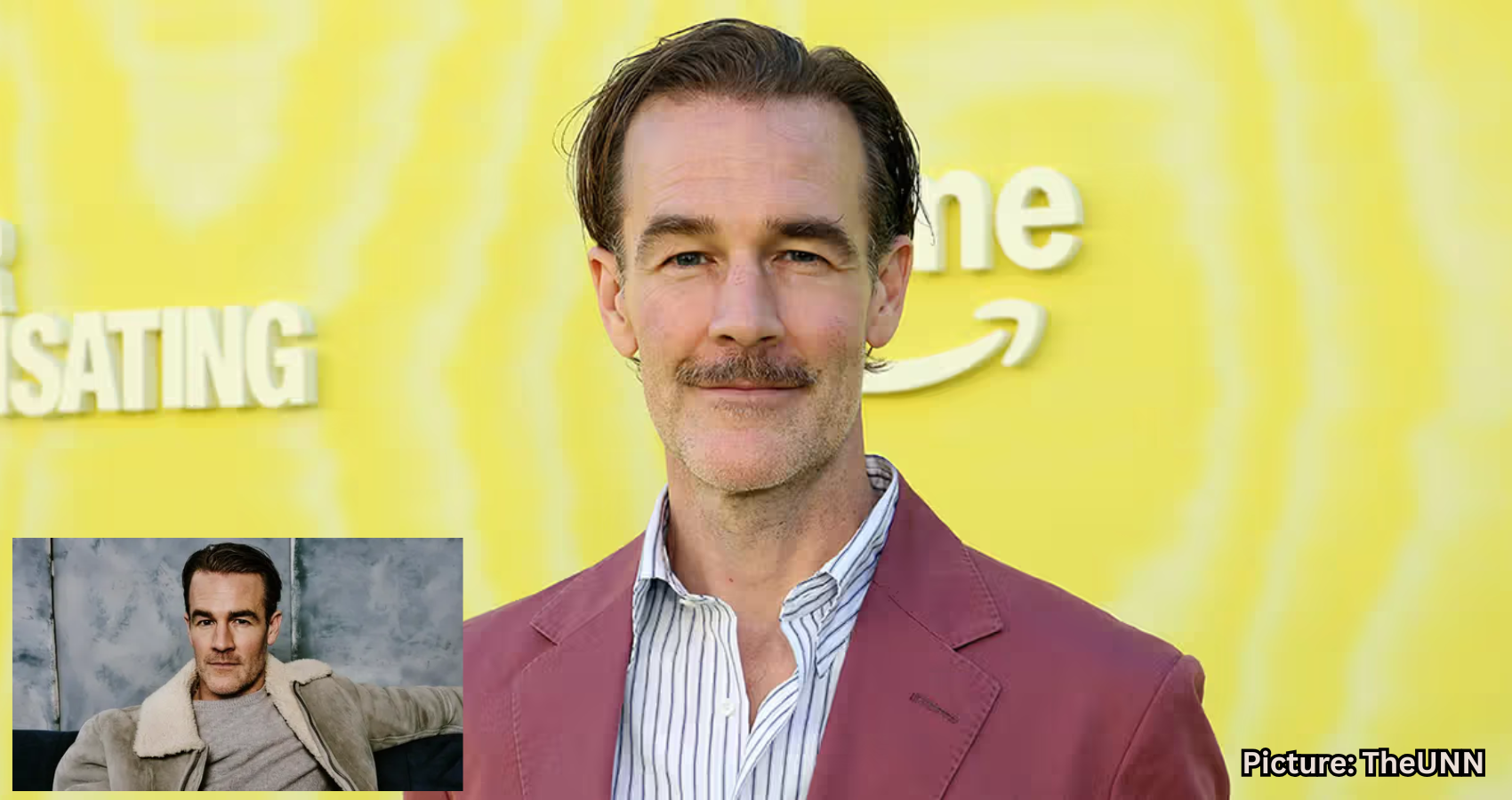
James Van Der Beek’s death underscores a troubling rise in colon cancer cases among younger adults, prompting urgent calls for increased awareness and earlier screening.
Following the death of actor James Van Der Beek after a two-and-a-half-year battle with colon cancer, health experts are sounding the alarm about the increasing prevalence of this disease among younger individuals. The star of “Dawson’s Creek” publicly shared his stage 3 colon cancer diagnosis in November 2024, although he was officially diagnosed in August 2023 after undergoing a colonoscopy.
In an August 2025 interview with Healthline, Van Der Beek revealed that the first warning sign of his colon cancer was a change in his bowel movements, which he initially attributed to his coffee consumption. “Before my diagnosis, I didn’t know much about colorectal cancer,” he admitted. “I didn’t even realize the screening age had dropped to 45; I thought it was still 50.”
Recent research has highlighted a concerning trend: colorectal cancer (CRC) has become the leading cause of cancer-related death among men and women aged 50 and younger, according to the American Cancer Society. This marks a significant shift from the 1990s, when CRC was the fifth deadliest cancer in this age group. While overall cancer deaths have declined by approximately 44% since 1990, CRC is the only major cancer that has seen an increase in mortality rates for those under 50 during this time.
Dr. Aparna Parikh, medical director of the Center for Young Adult Colorectal Cancer at the Mass General Cancer Center, noted that the reasons behind this rise remain unclear. “Experts don’t entirely understand why cases are on the rise,” she explained. “But it seems to be an interplay of a person’s risk factors, overall makeup, and early exposures.” These exposures may include dietary habits, environmental factors, and even antibiotic use, along with lifestyle choices.
A recent study by the American Cancer Society found that long-term heavy drinking is associated with an increased risk of developing colorectal cancer. Other significant risk factors include family history of the disease, obesity, smoking, a diet high in red and processed meats, inflammatory bowel disease, and a personal or family history of polyps.
In a recent appearance on “America’s Newsroom,” Fox News senior medical analyst Dr. Marc Siegel discussed the rising incidence of CRC among younger adults. He highlighted the role of genetics and the consumption of ultraprocessed foods, citing a study from Mass General that indicates a diet high in such foods increases the likelihood of colon cancer by 45%. Additionally, a diet rich in processed meats, such as hot dogs, raises the risk by 30%, while a diet high in red meat increases the risk by 20%.
Experts emphasize that while colorectal cancer may not present symptoms in its early stages, certain signs should not be ignored. Dr. Eitan Friedman, Ph.D., an oncologist and founder of The Suzanne Levy-Gertner Oncogenetics Unit at the Sheba Medical Center in Israel, confirmed that changes in bowel habits are a primary red flag for colorectal cancer. Other symptoms include fatigue due to anemia, abdominal pain or discomfort, rectal bleeding, weakness, and unexplained weight loss.
Dr. Erica Barnell, Ph.D., a physician-scientist at Washington University School of Medicine and co-founder of Geneoscopy, noted that Van Der Beek’s experience of having no obvious symptoms is not uncommon. “Many colorectal cancers develop silently, without obvious symptoms,” she explained. “By the time symptoms appear, the disease may already be advanced.”
Early detection is crucial for improving outcomes in colorectal cancer cases. “Colonoscopy at age 45 onwards, at five- to ten-year intervals, has been shown to lead to early detection of polyps that have the potential to become malignant,” Dr. Friedman stated. “Removing these polyps can significantly minimize the risk of malignant transformation.”
Unfortunately, Dr. Barnell pointed out that screening compliance in the United States remains below national targets, with the most significant gaps found in rural, low-income, and minority communities. “Most people don’t like talking about bowel habits, but paying attention to changes can save your life,” she urged. “Screening gives us the chance to find problems early—often before you feel sick—and that can make all the difference.”
Dr. Siegel reiterated the importance of colonoscopies as the most effective method for screening CRC, especially when polyps are detected and removed before they can develop into cancer. The rising incidence of colorectal cancer among younger adults, as exemplified by Van Der Beek’s tragic story, serves as a stark reminder of the need for increased awareness and proactive health measures.
As the conversation around colorectal cancer continues to evolve, it is essential for individuals to stay informed about their health and the importance of early screening. According to the American Cancer Society, understanding risk factors and recognizing warning signs can be life-saving.