
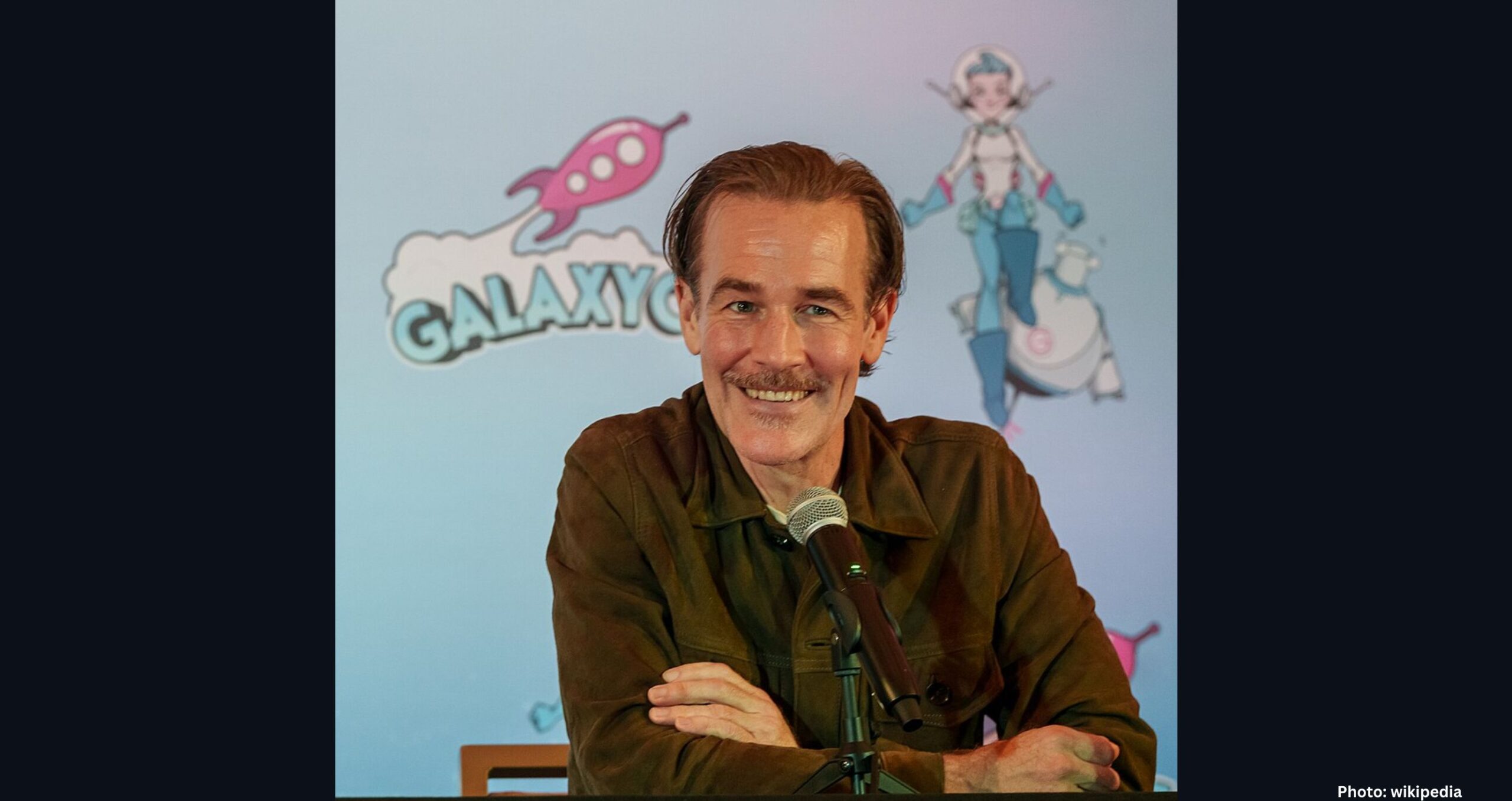
James Van Der Beek highlighted a critical warning sign of colorectal cancer months before his passing, emphasizing the importance of early screening at age 45.
James Van Der Beek, the actor best known for his role in “Dawson’s Creek,” shared an important warning sign of his stage 3 colon cancer prior to his death at the age of 48. His wife, Kimberly Van Der Beek, confirmed his passing in a heartfelt social media post on Wednesday.
In November 2024, Van Der Beek received a diagnosis of colorectal cancer, but he had previously expressed to Healthline in August that he had not experienced any alarming symptoms. “There wasn’t any red flag or something glaring,” he stated. Despite maintaining a healthy lifestyle, including cold plunges and excellent cardiovascular fitness, he was unaware of his cancer diagnosis.
The only symptom he did notice was a change in his bowel movements, which he initially attributed to his coffee consumption. “Before my diagnosis, I didn’t know much about colorectal cancer,” Van Der Beek admitted. He was surprised to learn that the recommended screening age had been lowered to 45, believing it was still set at 50.
Ultimately, a colonoscopy revealed that he had stage 3 colon cancer. Professor Eitan Friedman, M.D., Ph.D., an oncologist at the Sheba Medical Center in Israel, confirmed that changes in bowel habits are a primary indicator that should raise suspicion for colorectal cancer. Other symptoms can include fatigue linked to anemia, blood in the stool, weight loss, loss of appetite, and abdominal discomfort.
Dr. Erica Barnell, M.D., Ph.D., a physician-scientist at Washington University School of Medicine and co-founder of Geneoscopy, noted that Van Der Beek’s experience of having no obvious symptoms is not uncommon. “Many colorectal cancers develop silently, without obvious symptoms,” she explained. “By the time symptoms appear, the disease may already be advanced.”
Friedman highlighted that symptoms are particularly concerning for individuals aged 45 and older who have at least one first-degree relative with colon cancer or other gastrointestinal malignancies, as well as those with active inflammatory bowel diseases like ulcerative colitis or Crohn’s disease.
The lifetime risk of developing colorectal cancer for an average-risk individual is estimated to be between 4% and 5%. Friedman emphasized the importance of colonoscopies starting at age 45, recommending them every five to ten years. This approach has been shown to facilitate early detection of polyps that could become malignant, allowing for their removal and significantly reducing the risk of cancer.
Despite the clear benefits of screening, Barnell pointed out that compliance in the U.S. remains below national targets, with the largest gaps found in rural, low-income, and minority communities. To address these disparities, she advocates for improved access to accurate, noninvasive screening technologies and increased public awareness.
“Most people don’t like talking about bowel habits, but paying attention to changes can save your life,” Barnell stressed. “Screening gives us the chance to find problems early — often before you feel sick — and that can make all the difference.”
For more health-related articles, visit www.foxnews.com/health. Fox News Digital previously reached out to Van Der Beek’s representative for comment.