
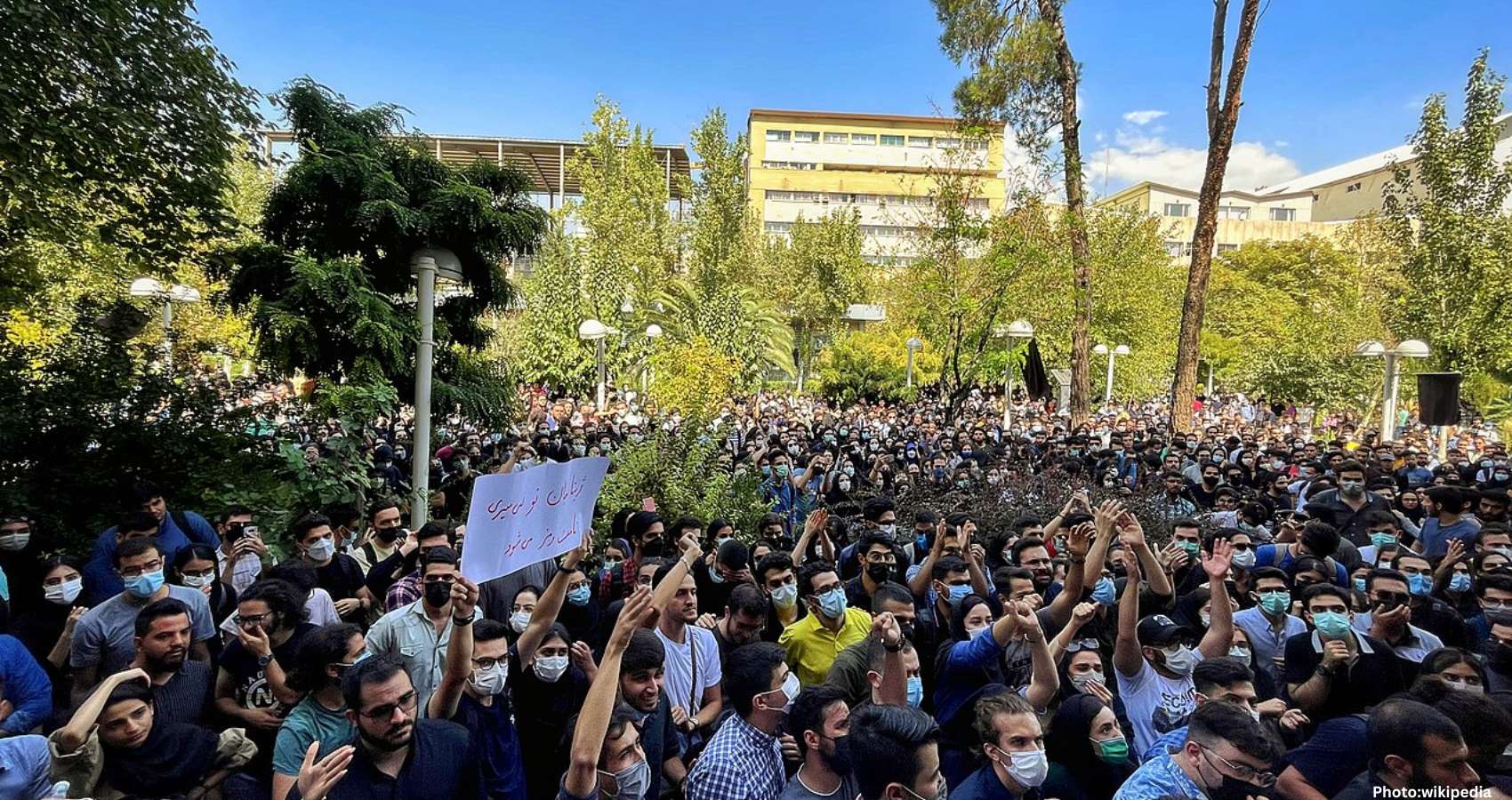
Iranians have regained the ability to make some international phone calls amid ongoing protests, while internet access and text messaging remain severely restricted.
Iranians were able to place some international phone calls on Tuesday for the first time since authorities imposed a sweeping communications blackout during a violent crackdown on anti-government protests. Residents in Tehran reported that calls to numbers outside the country briefly connected, although text messaging remained disabled and internet access was still limited to government-approved domestic websites, leaving Iran largely isolated from the outside world.
This partial restoration of communication occurred as security forces maintained a heavy presence across central Tehran. According to residents, riot police, Revolutionary Guard units, and plainclothes officers were deployed at key locations as authorities sought to contain the unrest.
Protests have erupted in recent weeks over Iran’s deepening economic crisis, with demonstrators increasingly calling for regime change. Activist groups claim that hundreds of people have been killed, although the true toll remains difficult to verify due to the internet blackout and strict state controls on information.
Reports indicate that some government offices and financial institutions were damaged during the unrest. Residents noted that merchants were ordered to reopen businesses despite ongoing security operations, but foot traffic remained sparse in many areas of the capital.
The unrest has drawn heightened international attention, particularly as tensions escalate between Tehran and Washington. U.S. President Donald Trump has stated that Iran is seeking to negotiate with his administration, following his threats to bomb the country in response to the protests. “Iran better not start shooting, because we’ll start shooting, too,” Trump warned on Friday.
In an interview aired on Al Jazeera, Iranian Foreign Minister Abbas Araghchi confirmed that he continued to communicate with U.S. envoy Steve Witkoff. He stated that these communications “continued before and after the protests and are still ongoing,” adding that “Washington’s proposed ideas and threats against our country are incompatible.” Araghchi also asserted that Tehran is “fully prepared for war” should the U.S. decide to attack.
White House Press Secretary Karoline Leavitt told reporters that diplomacy remains Trump’s first option, but emphasized that the president “has shown he’s unafraid to use military options if and when he deems necessary, and nobody knows that better than Iran.” She added, “He certainly doesn’t want to see people being killed in the streets of Tehran. And unfortunately, that’s something we are seeing right now.”
In addition to the protests, tens of thousands of pro-government demonstrators took to the streets on Monday, following days of unrest challenging the rule of Supreme Leader Ayatollah Ali Khamenei. Iranian state television broadcast chants from the crowd, which included slogans such as “Death to America!” and “Death to Israel!” along with “Death to the enemies of God!”
Iran’s attorney general has issued a warning that anyone participating in protests will be considered an “enemy of God,” a crime punishable by death. In response to the crackdown on protests, Trump announced on Monday that countries engaging in business with Iran would face a 25% tariff that would be “effective immediately.”
The situation in Iran continues to evolve, with significant implications for both domestic stability and international relations, particularly with the United States. According to The Associated Press, the ongoing unrest and government response are closely monitored by global observers.