
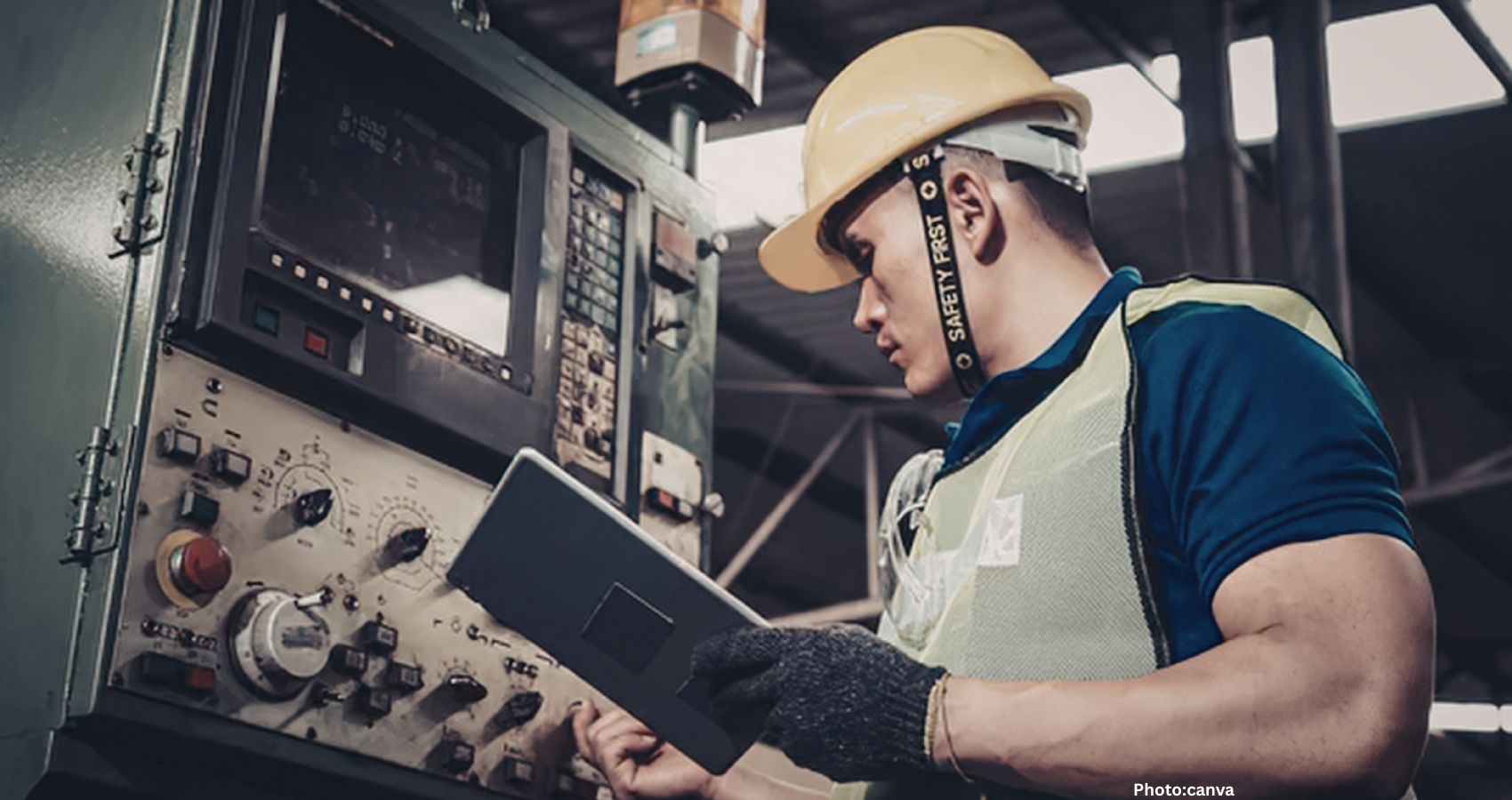
Industrial exoskeletons are transforming the workplace by reducing physical strain on workers, enabling them to perform demanding tasks more efficiently and with less fatigue.
Industrial exoskeletons are innovative wearable systems designed to assist workers by sharing the physical load during demanding tasks, such as overhead lifting and repetitive bending. These devices help alleviate muscle strain and fatigue, allowing employees to maintain productivity throughout their shifts.
For those who have spent long hours lifting, drilling overhead, or bending over conveyor belts, the onset of fatigue can be rapid and debilitating. This is where industrial exoskeletons come into play. By strapping onto the body, these systems help distribute the weight, allowing workers to rely less on their muscles and more on the supportive technology. As a result, workers experience reduced strain and can work longer without succumbing to fatigue. This technology is already being implemented on job sites across the United States.
Industrial exoskeletons fall into three primary categories, each tailored to different types of work environments and tasks. Passive systems, for instance, do not rely on motors or batteries. Instead, they utilize springs or mechanical structures to redistribute weight effectively. A notable example of this is the Hilti EXO-O1, a shoulder harness that transfers the weight of the arms to the hips using spring-loaded supports. Testing has shown that it can reduce shoulder muscle load by up to 47% during overhead tasks, making tools feel significantly lighter by the end of the day.
Another passive system is the Laevo Flex, which provides spring-based assistance to support the lower back during bending and lifting. This system is designed for dynamic movement, allowing workers to walk and lift without needing to activate or deactivate the device. The Laevo Flex is also adjustable and built for extended wear in various environments, including outdoor settings. Like other passive systems, it effectively reduces strain on the lower back during repetitive tasks without the need for motors or batteries.
While passive systems are relatively lightweight, typically weighing between 4.4 and 8.8 pounds, they do not adapt automatically to different tasks in real time. In contrast, powered exoskeletons utilize motors, sensors, and onboard processors to actively assist movement. The German Bionic Exia is an example of a battery-powered back exoskeleton designed for warehouse and logistics work. This system actively supports the lower back during lifting, helping to reduce strain and fatigue over time. Powered exoskeletons can track motion using sensors and provide almost instantaneous support, making the assistance feel seamless and natural.
These powered systems can significantly lessen the effort required for repetitive lifting tasks, particularly in high-volume environments. However, they come with trade-offs. Some powered exoskeletons can weigh over 40 pounds, depending on their design, and they are often much more expensive, costing tens of thousands of dollars. As a result, many companies introduce them through pilot programs before broader implementation.
Soft exosuits represent another advancement in this technology. Using fabric, straps, and tension systems instead of rigid frames, these lightweight systems, such as the HeroWear Apex 2, weigh about three pounds and assist with lifting movements. Testing in warehouse environments has demonstrated that soft exosuits can enhance productivity while reducing reported lower back discomfort among workers engaged in repetitive tasks. These systems allow for more natural movement than their rigid counterparts, although they provide less force and are better suited for repetitive tasks rather than heavy lifting.
The benefits of exoskeletons are particularly evident in everyday tasks that place significant strain on the body. For example, holding tools overhead can lead to considerable shoulder and neck strain. Systems like the Hilti EXO-O1 can reduce muscle load by up to 47%, making tools feel much lighter. Back support systems, such as the Laevo FLEX, can decrease muscle effort by up to 30% during lifting, while soft systems like the HeroWear Apex 2 help mitigate fatigue during constant bending.
Despite their advantages, exoskeletons are not without limitations. Proper fit is crucial; if a device does not align correctly with a worker’s body, it can lead to discomfort or restricted movement. Additionally, even lightweight systems add extra load, and powered systems can be particularly cumbersome. Cost remains a significant barrier for many companies, with passive systems typically costing a few thousand dollars and powered systems often exceeding tens of thousands. Experts recommend using exoskeletons in conjunction with proper ergonomics and regular movement to avoid potential long-term issues, such as reduced muscle engagement.
For workers involved in physical labor, this technology has the potential to transform daily experiences. Employees may find themselves feeling less sore at the end of their shifts, reducing the risk of injury over time and enabling longer work periods without the same level of fatigue. For employers, the advantages are clear: fewer injuries, reduced absenteeism, and enhanced productivity. As adoption of this technology continues to grow, many workplaces are currently testing these systems before implementing them more broadly.
While it may be tempting to think of ordering an exoskeleton like any other piece of equipment, most industrial exoskeletons are sold directly to companies rather than individuals. Manufacturers typically engage with employers through pilot programs or bulk orders, making them less accessible through standard retail channels. Some lighter systems, particularly passive or soft exosuits, may be easier to obtain, but many brands still prefer to sell through business channels or approved partners.
For those interested in exploring this technology, starting with the manufacturer’s website is advisable. Look for options such as “request a demo” or “contact sales,” which are often the first steps toward any potential purchase. As adoption increases, access to these systems may become more widespread.
Industrial exoskeletons are rapidly transitioning from experimental trials to real-world applications. They are not intended to replace human workers but rather to assist them in working smarter and safer. As technology continues to advance, we can expect lighter designs, improved comfort, and more intelligent assistance, potentially redefining the landscape of physically demanding work in the years to come. According to CyberGuy, the future of work may be significantly altered by these innovations.