
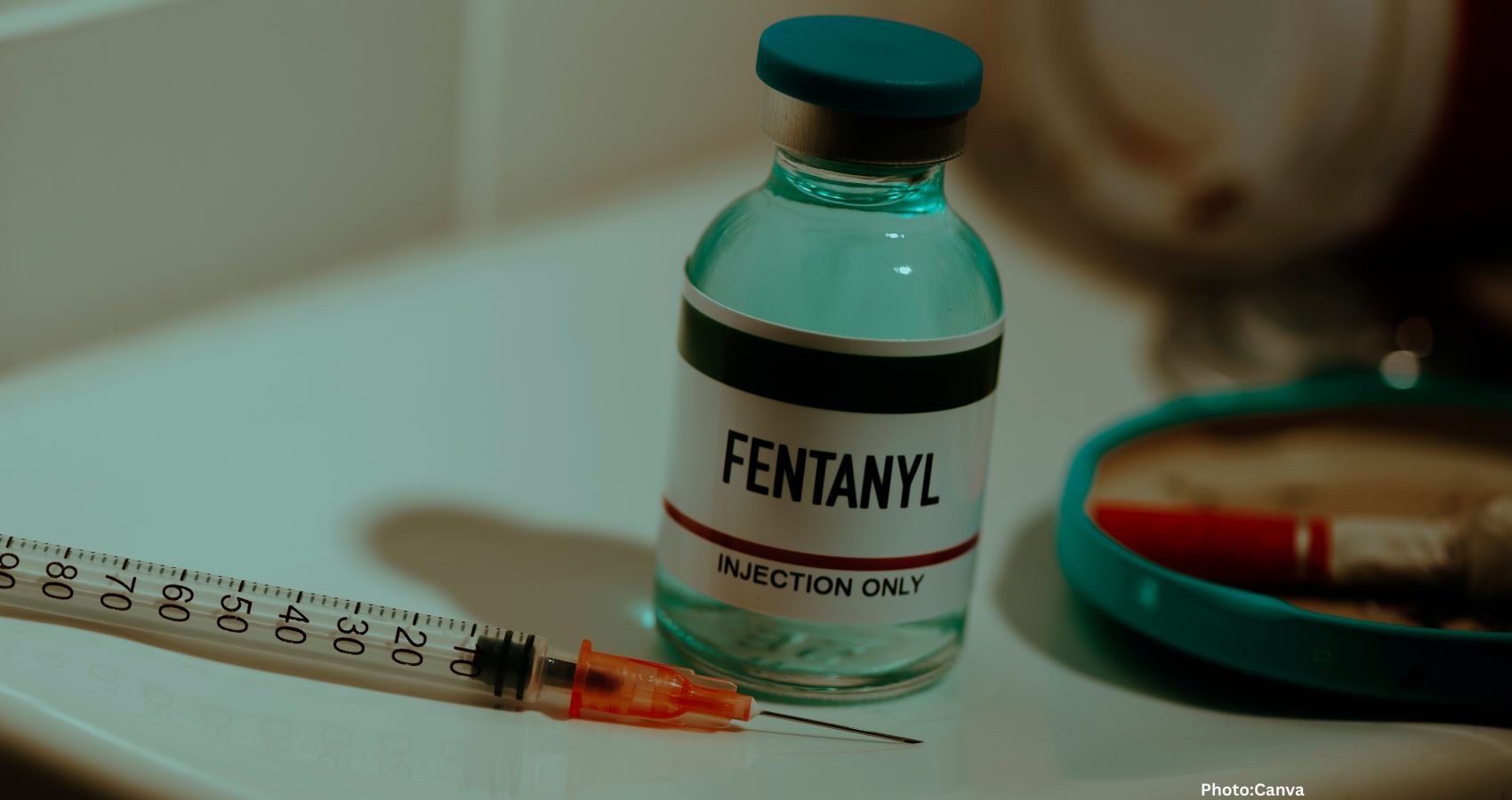
India is collaborating with the U.S. to combat the flow of fentanyl precursor chemicals, according to a top American intelligence official, amid rising global threats.
WASHINGTON, DC – India is playing a significant role in U.S. efforts to curb the flow of fentanyl precursor chemicals, a senior American intelligence official informed lawmakers on March 18. This collaboration with New Delhi comes at a time when officials are sounding alarms about an expanding global threat landscape.
During the presentation of the 2026 Annual Threat Assessment before the Senate Select Committee on Intelligence, James H. Adams III, Director of the Defense Intelligence Agency, emphasized that transnational criminal organizations pose a substantial threat, particularly through the production and trafficking of synthetic drugs.
“U.S. efforts to work with China and India to halt the flow of fentanyl precursor chemicals to North America are demonstrating some improvement,” Adams stated. He acknowledged, however, that “there is more work to be done.”
Adams also highlighted that Mexico-based cartels continue to dominate the production and smuggling of fentanyl and other narcotics into the United States, presenting “a daily and direct threat to the health and safety of millions of U.S. citizens.”
At the same hearing, Tulsi Gabbard, Director of National Intelligence, addressed the ongoing threat posed by terrorist groups, despite their weakened state compared to previous years.
“I completely concur… about the threat of ISIS, Al Qaeda and other Islamist terrorist groups around the world,” Gabbard remarked, noting that the nature of these threats is evolving.
She pointed out a shift in the threat landscape, stating, “We’re increasingly… seeing fewer indicators of large-scale, organized, complex threats… and instead, efforts focused on individuals… radicalized by Islamist propaganda.”
This assessment underscores the critical nature of international cooperation in addressing both drug trafficking and terrorism, as the U.S. continues to navigate a complex global security environment.
According to IANS, the collaboration between the U.S. and India is a vital component of broader efforts to combat the rising tide of synthetic drug production and trafficking.