
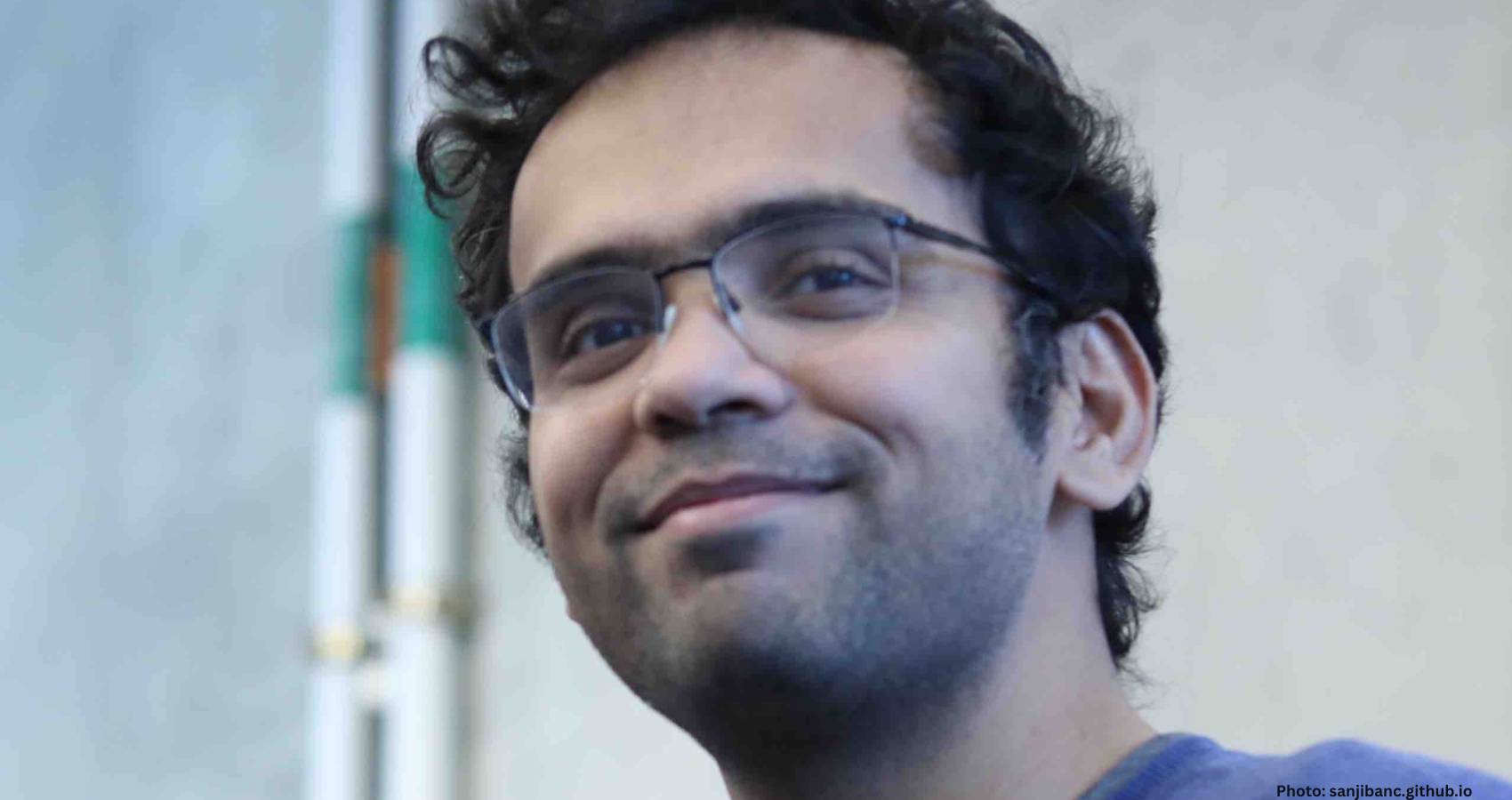
Sanjiban Choudhury, an Indian American robotics researcher, has received the National Science Foundation Faculty Early Career Development Award for his innovative work in robotics.
Sanjiban Choudhury, an Indian American robotics researcher, has been awarded the National Science Foundation (NSF) Faculty Early Career Development Award for his groundbreaking efforts in developing robots that learn new skills similarly to humans. Choudhury, who serves as an assistant professor of computer science at Cornell University’s Ann S. Bowers College of Computing and Information Science, will utilize the $400,000 award to further his research initiatives.
The NSF award is designed to support early-career faculty members who demonstrate the potential to become academic role models in both research and education. The award also aims to foster advancements within their respective departments or organizations. Each funded project must incorporate an educational component, emphasizing the importance of teaching alongside research.
Choudhury’s research focuses on creating robots that can assist in various environments, including homes, hospitals, and farms. While many existing robots are limited to pre-programmed tasks, they often struggle to adapt to new situations or learn from human interactions. Choudhury’s innovative project seeks to overcome these limitations by developing robot helpers capable of learning new skills through observation, practice, and feedback.
The implications of Choudhury’s work could significantly enhance the functionality and adaptability of robots, enabling them to tackle more complex real-world challenges. His research not only aims to improve robotic assistance in everyday tasks but also seeks to deepen our understanding of how robots can learn and adapt to their environments.
In addition to his research, Choudhury’s project includes educational programs designed to engage K-12 students through interactive robotics activities. By providing accessible online resources, he aims to increase participation in STEM fields and promote interest in robotics research among young learners.
Choudhury’s academic background is impressive. He completed his postdoctoral research at the University of Washington and earned both his Master’s and PhD degrees from Carnegie Mellon University. His undergraduate and Master’s degrees in electrical engineering were obtained from the Indian Institute of Technology, Kharagpur.
Choudhury also leads the Portal group, which focuses on developing everyday robots that are user-friendly and practical for tasks ranging from cooking to cleaning. His commitment to making robotics accessible to a broader audience underscores his dedication to advancing the field.
As robotics continues to evolve, Choudhury’s contributions may pave the way for a future where robots can seamlessly integrate into daily life, providing valuable assistance across various sectors.
According to a press release from Cornell University, Choudhury’s work exemplifies the potential of robotics to enhance human capabilities and improve quality of life.