
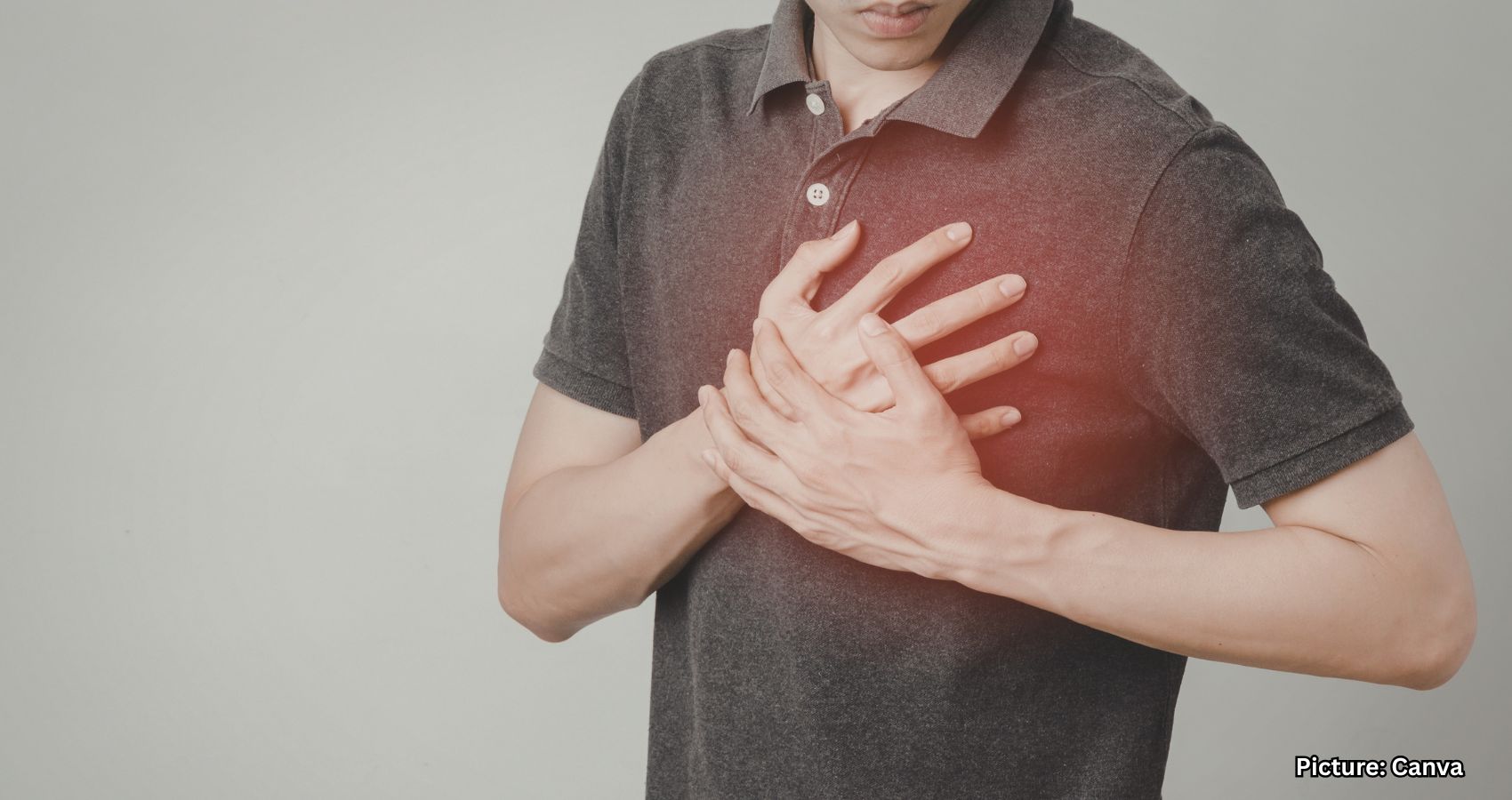
As the holiday season approaches, cardiologists warn of an increase in heart attacks due to stress, alcohol consumption, and overeating, urging individuals to take preventive measures.
The holiday season, often filled with joy and celebration, can also bring significant stress and health risks, particularly for the heart. This phenomenon, known as “holiday heart syndrome,” leads to a notable increase in heart attacks during Christmas and New Year’s. Cardiothoracic surgeon Dr. Jeremy London recently highlighted this concerning trend in a social media post, emphasizing that heart attack rates consistently rise during the holidays.
“Every year, like clockwork, we see a spike in heart attacks around Christmas and New Year’s,” said Dr. London, who practices in South Carolina. “In fact, Christmas Eve is the highest-risk day of the year.” He attributes this surge to a combination of factors, including excessive eating and drinking, reduced physical activity, and heightened stress levels.
Emotional and financial stress, along with the increased pace of holiday obligations, contribute significantly to this risk, according to Dr. London. Additionally, cold weather can lead to vasoconstriction, or the narrowing of blood vessels, which raises the likelihood of plaque rupture and subsequent heart attacks.
Dr. Glenn Hirsch, chief of the division of cardiology at National Jewish Health in New York, elaborated on the specifics of holiday heart syndrome. He noted that it often manifests as an abnormal heart rhythm, particularly atrial fibrillation, which can be triggered by binge drinking during festive celebrations.
“It’s often a combination of overdoing the alcohol intake along with high salt intake and large meals that can trigger it,” Dr. Hirsch explained. “Adding travel, stress, and less sleep lowers the threshold for entering that rhythm.” The risks associated with atrial fibrillation are significant, including the potential for stroke and other complications from blood clots. If left untreated, atrial fibrillation can lead to heart failure over time.
While the risk of developing atrial fibrillation increases with age, Dr. Hirsch noted that various underlying cardiovascular disease risk factors, such as high blood pressure, obesity, diabetes, sleep apnea, and chronic kidney disease, can further elevate this risk.
Fortunately, holiday heart syndrome is preventable. Dr. Hirsch emphasizes that moderation is key during the festive season. He advises individuals to avoid binge drinking, limit their intake of salty foods, stay hydrated, manage stress levels, and prioritize adequate sleep.
“Don’t forget to exercise,” he added. “Even getting in at least 5,000 to 10,000 steps during the holiday can help lower risk while also burning some of the additional calories we are often consuming around the holidays.” Dr. London echoed this sentiment, stating in his video that “movement is medicine” and encouraging people to incorporate daily physical activity into their routines.
Staying on top of prescribed medications is also crucial, according to Dr. London. He recommends setting reminder alerts to ensure that individuals do not neglect their health during the holiday break. “Prioritize sleep and mindfulness,” he advised. “Take care of yourself during this stressful time.” He also cautioned against postponing medical check-ups for health concerns until after the holidays, as this can exacerbate existing conditions.
“Don’t ignore your symptoms,” Dr. London urged. “If you don’t feel right, respond.” By taking proactive steps to manage stress, maintain a balanced diet, and stay active, individuals can help mitigate the risks associated with holiday heart syndrome and enjoy a healthier holiday season.
For more insights on heart health and prevention strategies, consult with a healthcare professional or refer to expert advice from reputable sources.
According to Fox News Digital, understanding the triggers of holiday heart syndrome can empower individuals to make healthier choices during the festive season.