
A newly discovered virus within gut bacteria may be linked to an increased risk of colorectal cancer, offering new insights into the disease’s development, according to recent research.
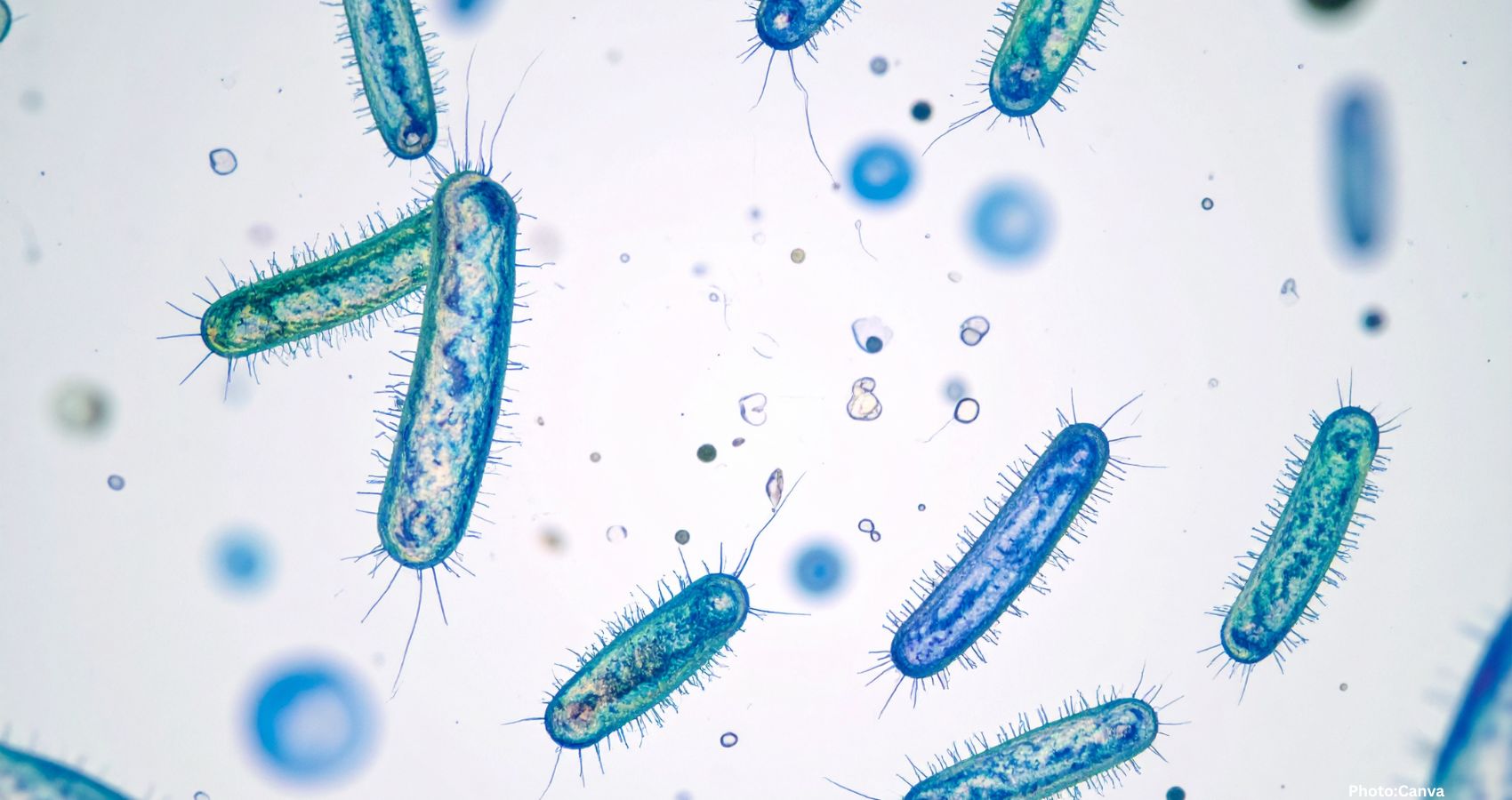
Scientists in Denmark have identified a previously unknown virus residing in the gut bacterium Bacteroides fragilis, which may be associated with the development of colorectal cancer. The study, published in *Communications Medicine* earlier this month, reveals that patients diagnosed with colorectal cancer are approximately twice as likely to carry this virus compared to individuals without the disease.
Dr. Flemming Damgaard, PhD, from the Department of Clinical Microbiology at Odense University Hospital and the University of Southern Denmark, emphasized the significance of microorganisms in relation to human health. “These findings highlight the importance of the microorganisms in the gut and their relation to our health,” he stated. “If we want to understand the full picture, we need to look deep into their genetic material.”
For years, medical professionals have noted a higher prevalence of Bacteroides fragilis in colorectal cancer patients. However, since this bacterium is also commonly found in healthy individuals, the reasons for its harmful effects in certain cases remained unclear. This prompted researchers to investigate subtle genetic variations within the bacteria, leading to an unexpected discovery.
“We were very surprised to find a whole virus inside the bacteria from the colorectal cancer patients,” Damgaard remarked. “That was not something we expected when we started our study.”
The identified virus, classified as a bacteriophage, specifically infects bacteria rather than human cells. Notably, this viral type had not been documented prior to this research. The study involved analyzing stool samples from 877 individuals across Europe, the United States, and Asia, revealing that colorectal cancer patients were about twice as likely to carry traces of the virus compared to their cancer-free counterparts.
While the findings indicate a strong statistical association, researchers caution that the study does not establish a causal link between the virus and colorectal cancer. “The major limitation is that we still don’t know why the virus is linked to colorectal cancer,” co-author Ulrik Stenz Justesen explained. “But we are already continuing our research.”
The research team is currently conducting laboratory experiments and animal studies to explore whether the virus influences the behavior of Bacteroides fragilis in a manner that could contribute to cancer development.
Studies have shown that the human body is home to roughly as many microbial cells as human cells, highlighting the intricate relationship between microbes and overall health. “Our understanding of [microbial cells] is still in its infancy,” Damgaard noted. “There are many health-related discoveries to be made in the human microbiota.”
Colorectal cancer ranks among the leading causes of cancer-related deaths globally, according to the World Health Organization. The disease has gained increased visibility due to the deaths of several high-profile individuals, including James Van Der Beek, Catherine O’Hara, Kirstie Alley, Pelé, and Chadwick Boseman, underscoring its impact across various age groups.
While diet and lifestyle factors are significant contributors to colorectal cancer risk, researchers believe that gut bacteria may also play a crucial role. Current screening methods for colorectal cancer include stool tests that detect hidden blood and colonoscopies. In the future, researchers suggest it may be possible to test stool samples for viral markers similar to those identified in this study.
The researchers pointed to cervical cancer as an example of how recognizing a viral cause can enhance prevention efforts. Following the link between HPV and cervical cancer, vaccination programs have significantly reduced new cases. Although it is premature to draw direct comparisons, the researchers remain hopeful that colorectal cancer could follow a similar trajectory if a definitive viral role is established.
“It is too early to act,” Damgaard cautioned. “We have a lot of hope, and that is what we want people to have at this point,” he concluded.
According to Fox News Digital, this research opens new avenues for understanding the complexities of colorectal cancer and the potential role of viruses within the gut microbiome.