
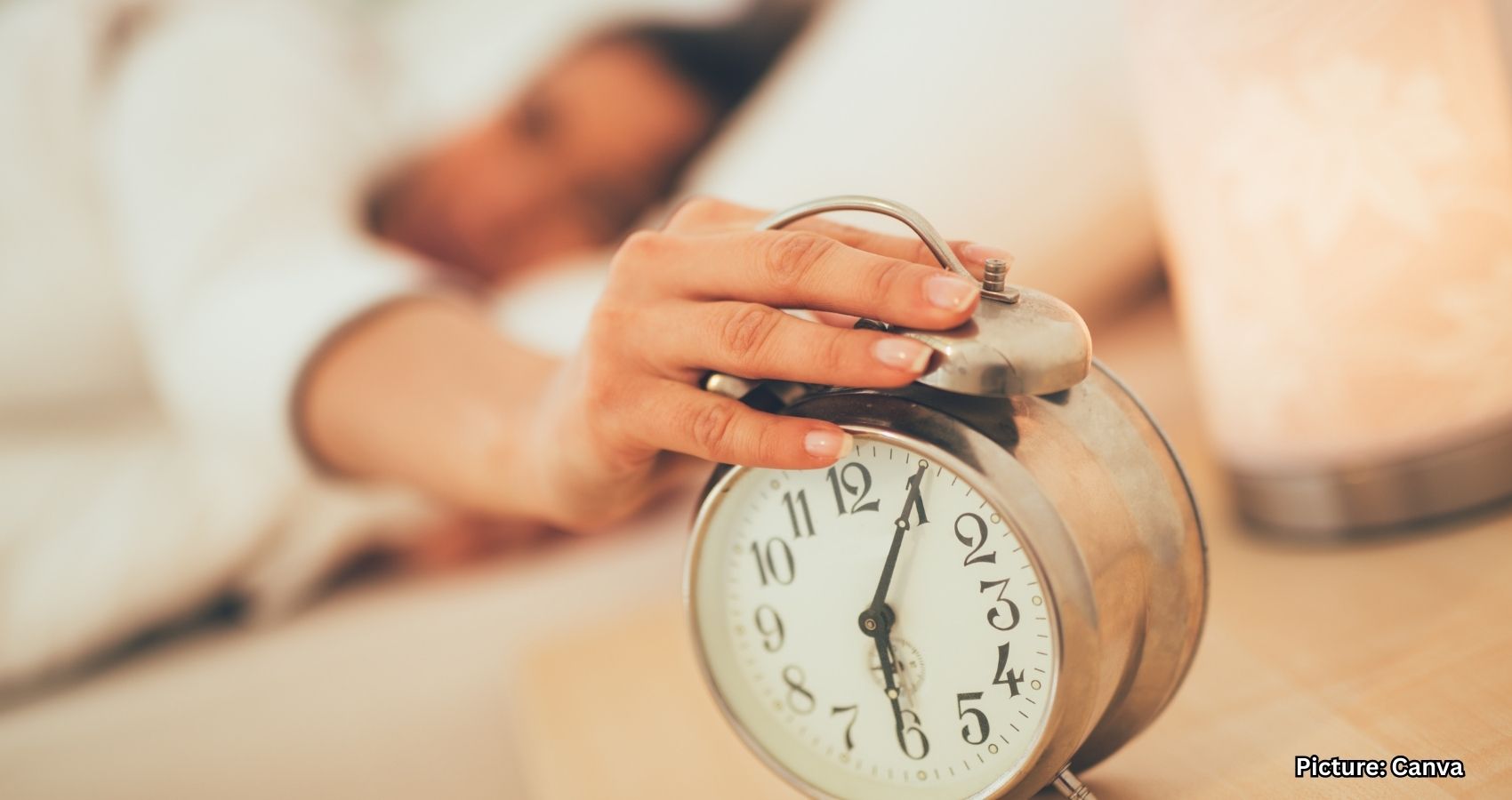
Experts warn that forcing an early wake-up time may not be healthy for everyone, as individual chronotypes significantly influence sleep quality and overall well-being.
As the new year begins, many people consider adopting a stricter morning routine, often involving an early wake-up time to seize the day. However, sleep experts caution that a 6 a.m. alarm may not be suitable for everyone.
Individuals classified as “morning birds” tend to fall asleep and enter deep sleep earlier, allowing them to wake up feeling more refreshed. In contrast, “night owls” naturally prefer to sleep later and depend on late-night and early-morning REM sleep. Forcing night owls to wake up too early can result in grogginess and a lack of mental restoration.
“We need to move beyond the ‘early bird gets the worm’ mentality and consider the biological cost of fighting one’s internal clock,” said Dr. Aaron Pinkhasov, chair of the Department of Psychiatry at NYU Grossman Long Island School of Medicine.
According to Dr. Pinkhasov, people experience sleep in cycles lasting 90 to 110 minutes, alternating between deep non-rapid eye movement (NREM) sleep and REM sleep. Early in the night, deep sleep predominates, which is essential for physical repair, immunity, and memory consolidation. As the night progresses, REM sleep becomes more prevalent, supporting learning, emotional regulation, and cognitive function. It is normal to experience brief awakenings between these cycles.
The tendency to rise early or late is determined by an individual’s “chronotype,” which refers to whether they are a morning person or a night person. This chronotype acts as a “genetic blueprint,” dictating when the body is naturally more alert or ready for rest.
“About 40% to 50% of our sleep-wake preference is inherited, meaning our internal clock is hardwired,” Dr. Pinkhasov noted.
Waking up earlier than the body’s natural schedule often leads to a loss of REM sleep. This misalignment between the internal clock and the alarm clock can result in feelings of being “wired but tired,” mood instability, and long-term metabolic risks.
Dr. Nissa Keyashian, a California board-certified psychiatrist and author of “Practicing Stillness,” highlighted that night owls often face increased challenges due to societal pressures to conform to early schedules. “Unfortunately, many people have early work, family, or social commitments, leading to a higher prevalence of anxiety, depression, eating disorders, obesity, obstructive sleep apnea, and type 2 diabetes among night owls,” she explained.
Experts agree that prioritizing sleep quality and consistency is more beneficial for health and productivity than simply aiming for an early wake-up time. “The main benefit of switching to an earlier schedule is social alignment. It makes it easier to navigate a world built around a 9-to-5 lifestyle. However, the drawbacks can be significant if the shift is forced,” Dr. Pinkhasov added.
Fortunately, there are strategies to help “rewire” internal clocks or at least mitigate the negative effects of waking up too early. Establishing a regular bedtime and wake-up time, even on weekends, can help regulate sleep patterns.
Dr. Pinkhasov recommends creating a calming nighttime routine that minimizes electronic device usage, incorporates meditation, utilizes essential oils, and includes relaxing activities such as warm showers or herbal tea.
Gradually adjusting wake-up times by just 15 minutes each day can also be beneficial, according to Dr. Keyashian. Additionally, exposure to bright light in the morning can enhance mood, energy, and concentration. For those who experience seasonal mood dips, therapeutic light boxes can provide significant benefits.
“If you believe this might be you, I recommend speaking with a psychiatrist,” Dr. Keyashian advised. “Also, consider minimizing caffeine intake. Some individuals find that exercising late in the day can interfere with their ability to fall asleep, so it’s important to be mindful of this as well.”
Ultimately, understanding and respecting individual chronotypes can lead to better sleep, improved mental health, and enhanced overall well-being.
For more insights, refer to Fox News Digital.