
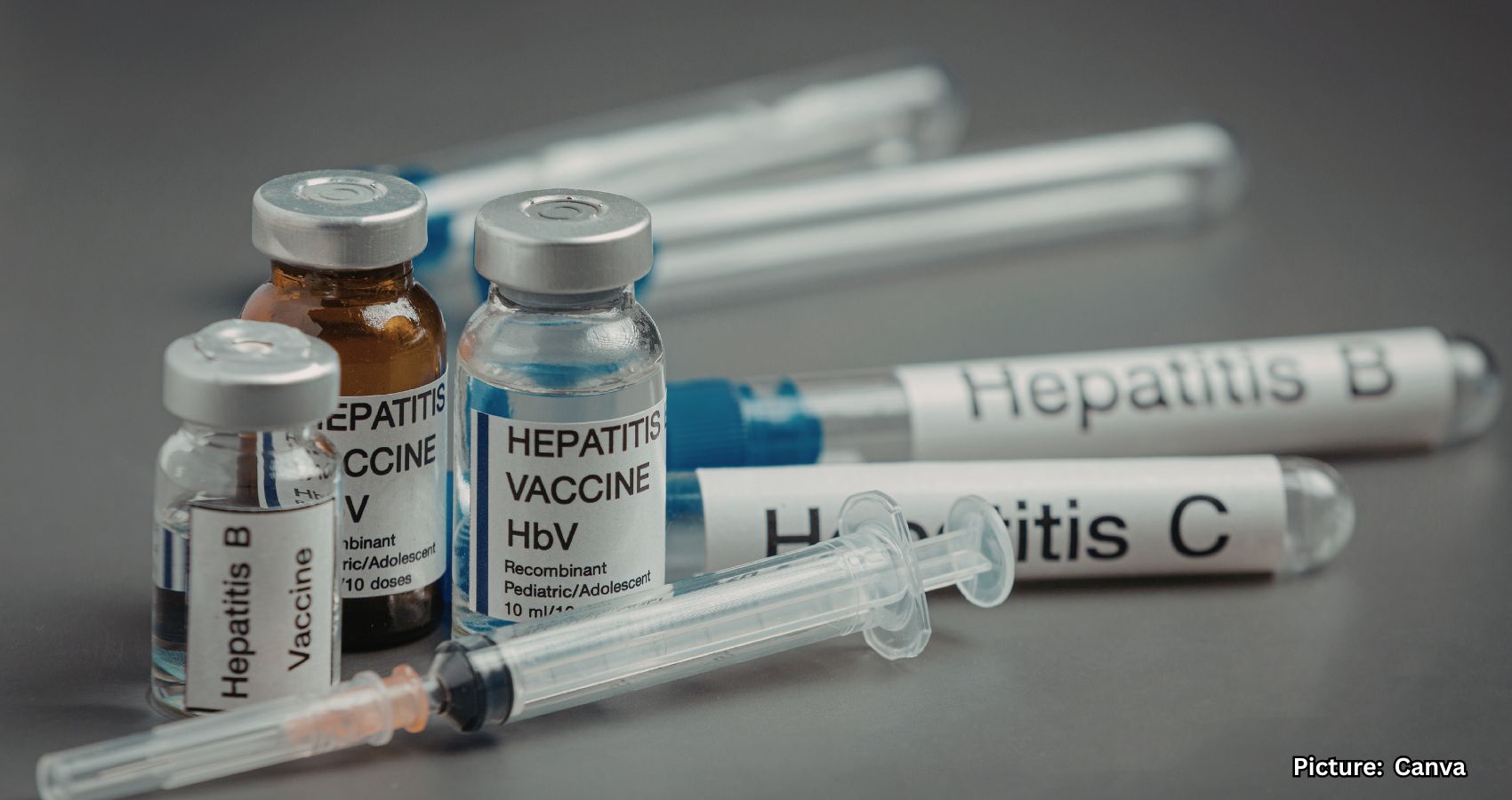
The first-ever fentanyl vaccine, designed to prevent overdoses, is set to enter human trials in early 2026 after successful animal studies.
A groundbreaking vaccine aimed at preventing fentanyl overdoses is on track for clinical trials in humans, following promising results from animal studies. This innovative vaccine is designed to block fentanyl from entering the brain, thereby preventing its lethal effects and reducing the risk of overdose. If successful, it would represent the first preventive treatment against fentanyl overdoses, which are a leading cause of drug-related fatalities in the United States.
Unlike existing treatments such as naloxone, which reverse the effects of an overdose after it occurs, this vaccine works proactively by creating antibodies that target fentanyl. The vaccine contains a synthetic fragment of fentanyl linked to a protein known as CRM197, along with an immune-activating compound called dmLT. This combination stimulates the immune system to produce antibodies that capture fentanyl in the bloodstream before it can reach the brain, according to Colin Haile, co-founder and scientific adviser of ARMR Sciences, the biotech company that licensed the vaccine.
“In a vaccinated individual, those anti-fentanyl antibodies are in the blood,” Haile explained. “If they consume fentanyl, the antibodies grab onto the drug and prevent it from getting into the brain. They would feel no effects if they ingest fentanyl — absolutely none. And they would not overdose.” He added that eventually, the fentanyl would be eliminated from the body.
In studies conducted on mice and rats, researchers observed that the animals maintained antibodies against fentanyl for up to six months after vaccination. While some critics have raised concerns that such a vaccine might inadvertently encourage drug use, Haile countered that vaccinated individuals would not experience the euphoric effects typically associated with fentanyl, thus diminishing the incentive for misuse. The primary advantage of the vaccine, he noted, is its potential to mitigate the health risks associated with fentanyl use, particularly respiratory depression, which is the leading cause of death from this potent synthetic opioid.
The initial human clinical trial is scheduled to begin in early 2026 at the Center for Human Drug Research, affiliated with the University of Leiden in the Netherlands. This small Phase 1 trial will enroll approximately 40 participants and will focus on assessing the vaccine’s safety and immune response. Following the Phase 1 trial, a Phase 2 trial will evaluate the vaccine’s effectiveness in blocking fentanyl’s effects in humans.
Currently, the data available is limited to animal models, and it remains uncertain how effective the vaccine will be in humans. However, Haile reported that no adverse side effects were observed in the animal studies, likely due to the fact that the vaccine’s components are proteins that have been previously used in other human applications, establishing a known safety profile. He emphasized that the doses used in the vaccine are extremely low, and even in toxicology studies where animals received doses 20 times higher than what would be administered to humans, no signs of toxicity were detected.
Haile identified several potential use cases for the vaccine, particularly for individuals with opioid use disorder who are seeking to quit using fentanyl. It could also serve as a protective measure for first responders and healthcare workers at risk of accidental exposure to fentanyl. Additionally, military and national security personnel could benefit from the vaccine, as it may offer protection against fentanyl and similar compounds that could be used as chemical threats. Parents of at-risk teens or young adults may also seek the vaccine, given the prevalence of fentanyl being mixed with other substances, such as marijuana.
Looking ahead, Haile expressed optimism that this vaccine could pave the way for the development of other anti-drug vaccines targeting substances like cocaine and methamphetamine, which are already in the pipeline. “If we can tackle the primary ones — fentanyl, cocaine, and methamphetamine — we will be saving hundreds of thousands of lives,” he stated.
Dr. Marc Siegel, senior medical analyst for Fox News, described the vaccine’s progress as a “very exciting advance with a huge upside.” He expressed enthusiasm about the upcoming human trials, noting that the vaccine could significantly reduce the number of overdoses resulting from fentanyl use. “This is likely to prevent many overdoses where a patient is sedated and stops breathing as a result of fentanyl,” Siegel remarked.
While the antidote for fentanyl, known as Narcan, is effective, it has limitations. Fentanyl can remain in the system for many hours, while Narcan, an opioid antagonist, wears off after a few hours and requires re-administration. Siegel cautioned that the vaccine should be targeted toward those truly at risk for opioid overdoses and addiction, as fentanyl also serves important medical purposes, such as pain management for cancer patients and use in anesthesia.
The development of this vaccine has been supported by funding from the U.S. Department of Defense and is licensed to ARMR Sciences, which is working to bring this innovative solution to market.
As the landscape of opioid use and addiction continues to evolve, the potential impact of this vaccine could be transformative, offering a new avenue for prevention and protection against one of the most dangerous substances in circulation today, according to Fox News.