
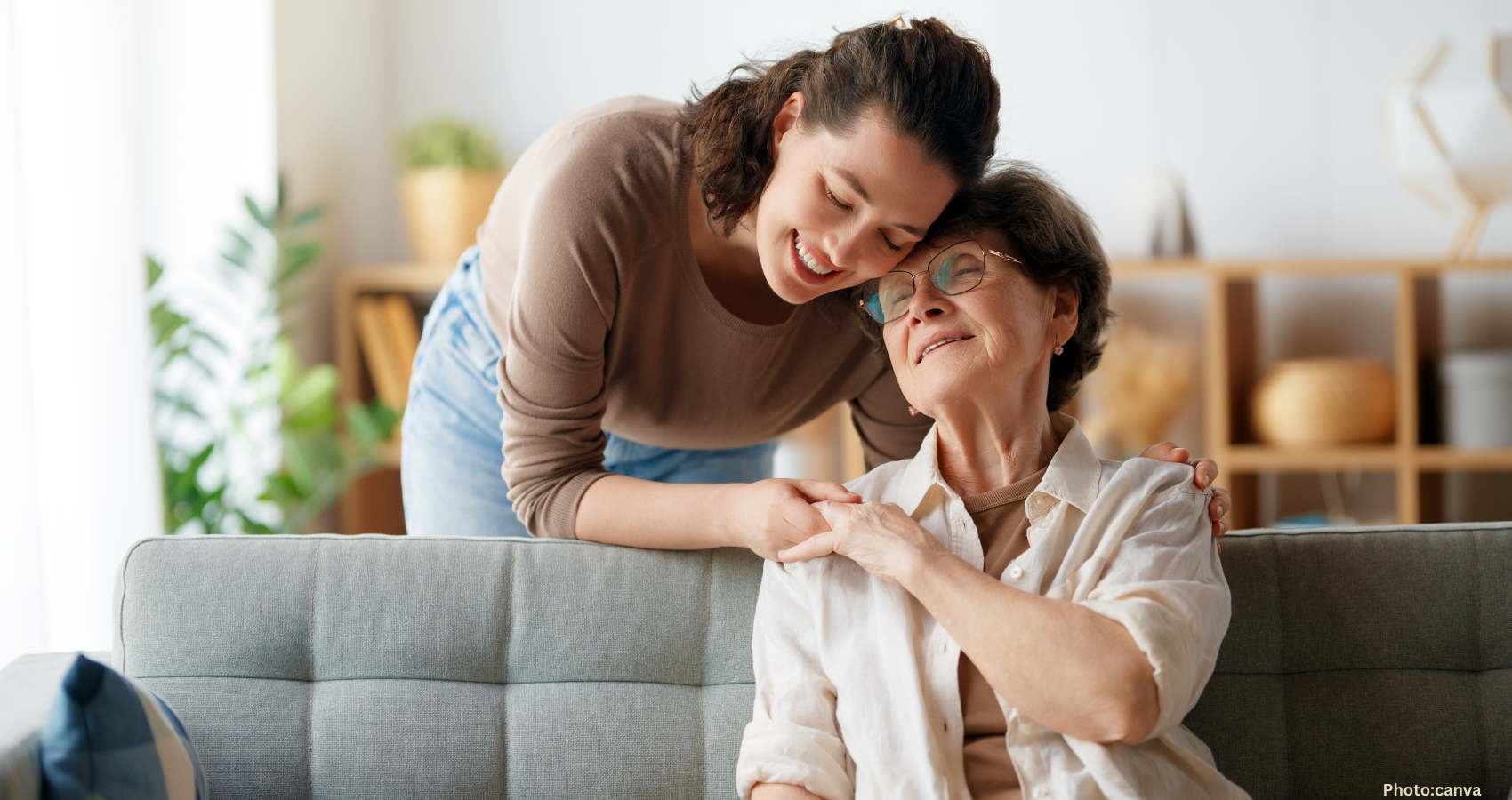
Family caregiving can be a rewarding yet challenging experience, often leading to feelings of isolation; however, resources are available to support caregivers through their journeys.
For Belmont resident Ashika Patel Balani, the journey of family caregiving began over a decade ago when her father-in-law moved in with her and her husband. At that time, he was grappling with mental health issues stemming from a history of cancer and a heart attack. The situation intensified in 2020 when Balani’s father passed away from a stroke, prompting her mother to come live with them.
“Expect more than what you think it’s going to be,” Balani advises others who are dealing with a parent who has lost a partner. Her father’s death had a profound impact on her mother’s mental health, leading to hospitalization—a decline Balani had not anticipated.
After exploring various caregiving options, including a potential move across the state, Balani now juggles a full-time career, two young children, and three aging parents. She and her husband are currently building a house in nearby San Carlos, which will feature a dual master bedroom for her mother and an independent living space for her in-laws. With her mother and in-laws both in their seventies, Balani anticipates that her primary caregiving responsibilities will last throughout their lifetimes, with support from her siblings.
The aging population is a growing concern, particularly within the Indian diaspora. There are nearly 63 million family and informal caregivers in the United States, with 7 million residing in California alone. Projections indicate that by 2030, 10 million Californians will be over 60 years old, constituting one-quarter of the state’s population.
A 2023 study reveals that approximately 13 percent of Indian immigrants in the U.S. are over 65. Many younger immigrants encourage their aging parents in India to relocate to the U.S. for care, creating a demand for culturally and linguistically appropriate caregiving—a challenge amid a rising shortage of caregivers.
In a recent interview with India Currents, Anni Chung, President and CEO of San Francisco-based Self-Help for the Elderly, emphasized the importance of communities preparing for caregiving in advance of an aging population.
Preparation was a key theme at a November 19 news briefing on aging, co-hosted by the American Community Media and the California Department of Aging (CDA). The event aimed to inform caregivers about state-funded resources and educate the public on California’s Master Plan for Aging (MPA), which serves as a blueprint to address the needs of an aging demographic.
While panelists acknowledged that caregiving can be a transformative and emotionally rewarding experience, they also highlighted the potential for physical, emotional, and financial strain, as well as social isolation.
“It is crucial that the 7 million family caregivers in California—family members, friends, and neighbors—know that there are resources and people they can turn to so they never feel alone in their caregiving journey,” stated Susan DeMarois, Director of the California Department of Aging and a panelist at the briefing.
Approximately 65 percent of all care is provided informally by family and friend caregivers, with half of adults in America assisting a loved one with daily tasks. However, DeMarois noted that this vital work often goes unrecognized, even by the caregivers themselves.
“If you ask a caregiver, ‘Are you a caregiver?’ they will probably say no. But when you ask, ‘Do you drive a loved one to medical appointments? Do you pick up prescriptions? Do you cook and deliver meals?’… there are also very intimate tasks where family members and friends provide care that is otherwise provided in assisted living communities, nursing homes, and hospitals,” she explained.
Paul Dunaway, Director of the Sonoma County Adult and Aging Division, emphasized the importance of support services for caregivers. He stated, “None of us can thrive in isolation, and yet the physical and emotional demands of caring for a loved one can leave us feeling alone, isolated from work, friends, and family.”
Dunaway’s agency offers a variety of training programs for family caregivers, covering topics from emergency preparedness to dementia care. Many of these programs are available online and in person.
Caregiver support services also include counseling, access to support groups, and respite programs, allowing caregivers to take necessary breaks. “Whatever role you play as a caregiver, there’s a community of care for you, too,” Dunaway said, advocating for a shift from viewing caregiving as an isolated effort to recognizing it as a community endeavor.
Many family caregivers, like Balani, often find themselves slipping into the role gradually—starting with small tasks that eventually evolve into full-time commitments. Dan Salinger, a panelist who cares for his 93-year-old father, shared his experience, stating, “I was a caregiver long before I knew I was a caregiver.”
Salinger has navigated his father’s care through various stages of decline, from relative self-sufficiency to requiring constant support. “Dementia does not discriminate. The ravages are going to come regardless of what your standing is in life,” he remarked.
Alma Valencia also transitioned into full-time caregiving for her mother, who has frontal temporal dementia. Valencia took on the role after becoming her mother’s power of attorney, realizing that being a full-time caregiver is a vastly different experience than simply helping family members.
The transition to full-time caregiving can strain financial resources and disrupt lifestyles. Salinger had to leave his career as an attorney and manage his own health challenges while caring for his father. “It was a hard transition,” he admitted, noting that he had to sell a house to make ends meet.
Valencia, who initially balanced her career in the fashion industry with caregiving, became a full-time caregiver in 2019. She utilized California’s In-Home Supportive Services, which compensates qualifying family members for caregiving.
Dr. Donna Benton, Director of the USC Family Caregiver Support Center, pointed out that state and federal policies have not kept pace with the evolving family structures and longevity, complicating the caregiving landscape. “Caregiving can last sometimes 10 years or more,” she noted.
As family caregiving becomes increasingly complex, with the expectation that homes will serve as hospitals, Dr. Benton highlighted the lack of infrastructure and the challenges posed by complicated healthcare financing.
Experts at the briefing urged caregivers to seek out state resources early, rather than scrambling for help in a crisis. “It’s important to learn and understand these resources before you need them,” DeMarois advised.
Balani has utilized transportation resources to help her mother attend appointments but faced challenges in finding private caregivers. She expressed a desire for better access to information about available resources from healthcare providers.
Despite the challenges of burnout, financial strain, and social isolation, many caregivers, including Balani, find fulfillment in their roles. “Caregiving is the most difficult thing I’ve ever undertaken in my entire life, but it’s also one of the most rewarding,” Salinger reflected.
Valencia echoed this sentiment, encouraging fellow caregivers to persevere: “Caregiving is hard, but not impossible. To any family caregiver out there, there are resources, so do not give up… until there’s a cure, there’s community.”
California offers various resources for caregivers, including the California Department of Aging, the Master Plan for Aging, In-Home Supportive Services, Area Agencies on Aging, and Caregiver Resource Centers, which provide essential support services.
Source: Original article