
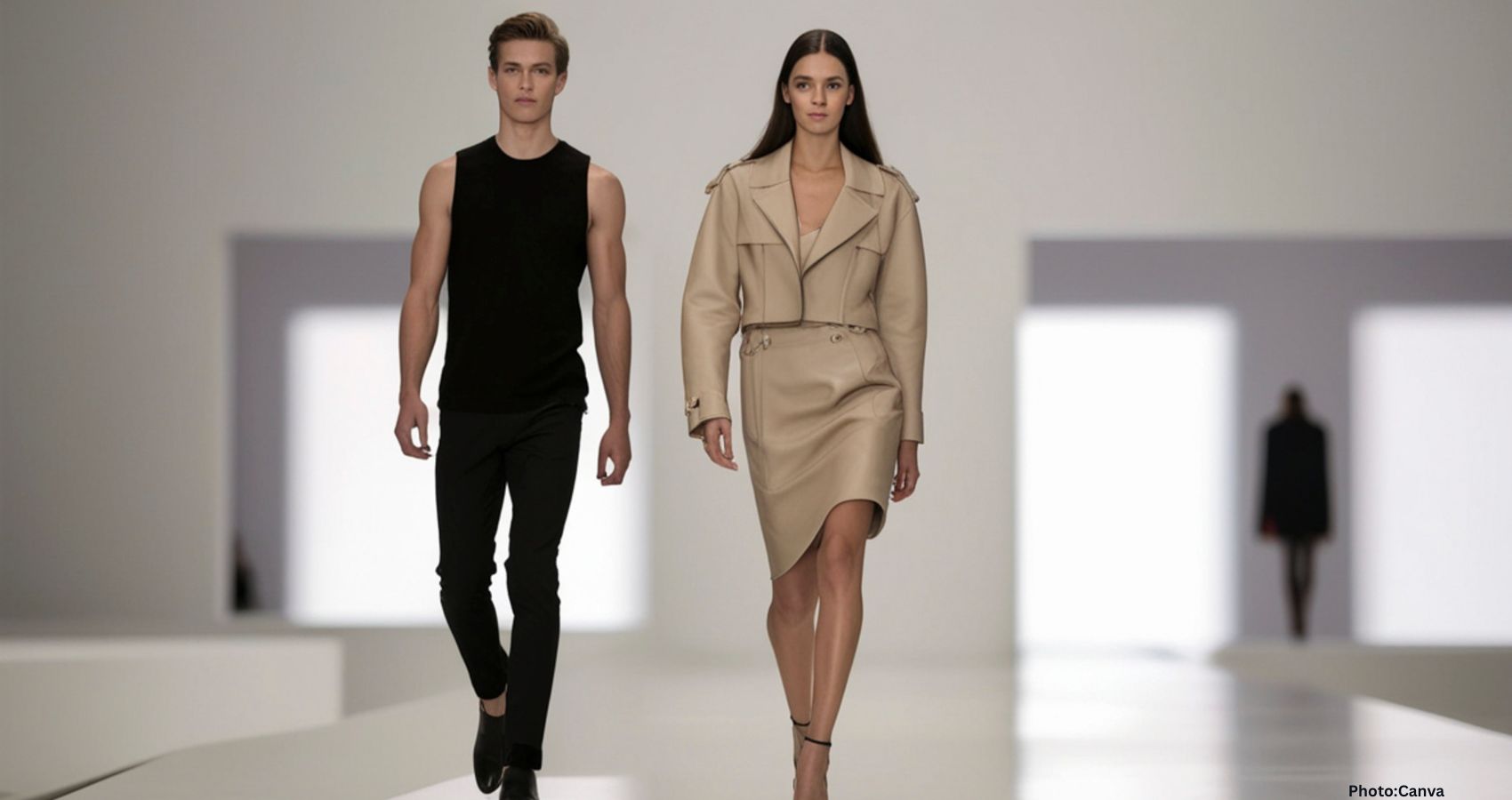
Fashion weeks in New York, London, Milan, and Paris significantly shape societal trends and cultural narratives, according to experts from West Virginia University.
As fashion week season unfolds, the global spotlight shifts from New York, which has recently concluded its events, to London, with Milan and Paris on the horizon. These prestigious gatherings are not merely showcases for the latest styles; they play a crucial role in influencing both fashion and societal dynamics.
Angela Uriyo and Colleen Moretz, associate professors at the West Virginia University College of Creative Arts and Media, emphasize the profound impact of fashion weeks on cultural evolution. They highlight how these events have transformed from private, invitation-only affairs into grand spectacles that attract millions of viewers through livestreams and social media.
“Major fashion weeks return this season in New York, Paris, London, and Milan, drawing millions of viewers through livestreams, social media, and celebrity-filled front rows,” Uriyo notes. “However, the origins of fashion week consisted of shows that were private and intimate, controlling access to designers, trends, and influence. They were not spectacles set on a global scale nor were they driven by celebrity culture, but economics.”
During fashion week, designers and brands craft narratives that extend beyond clothing, delving into themes of identity, luxury, and belonging. Uriyo points out that designers increasingly utilize unconventional locations and immersive environments to enhance how their collections are experienced. “What appears on the runway is not simply fashion, but a broader story about cultural value and meaning,” she explains.
Haute couture collections, characterized by their exquisite craftsmanship, are typically custom-made for an exclusive clientele. Many luxury fashion brands also offer ready-to-wear collections at various price points, catering to a wider audience. However, despite the apparent accessibility brought by social media and live streaming, the underlying systems of exclusion remain largely intact. “In many ways, visibility has simply replaced exclusivity,” Uriyo adds. “Understanding the history of fashion week reveals why debates around inclusion, sustainability, and representation continue to emerge.”
Colleen Moretz elaborates on the significance of Paris Fashion Week, which she describes as the primary source of inspiration in the global fashion landscape. “Its placement at the forefront of the fashion calendar is not incidental but intentional,” she states. Designers, buyers, editors, and brands closely analyze Paris collections to identify emerging silhouettes, textiles, and themes that inform both creative direction and market planning.
As sustainability concerns and digital advancements reshape the fashion industry, Paris Fashion Week remains a critical platform for establishing creative and ideological agendas. Moretz notes, “Because Paris Fashion Week is now instantly visible worldwide, designers increasingly use the runway to communicate values as well as products, enabling sustainability, craftsmanship, and ethical production to be seen and understood immediately.”
The immediacy of social media has fundamentally altered the influence of fashion weeks. Today, Paris Fashion Week unfolds in real time across platforms like Instagram, TikTok, and livestreams, allowing audiences far beyond the traditional fashion elite to engage with collections simultaneously. “This immediacy has shifted Paris Fashion Week from a closed industry ritual to a highly visible cultural event,” Moretz explains, “where designers speak not only to editors and buyers but also to consumers, critics, influencers, and creators worldwide.”
In contrast, New York Fashion Week serves as a cultural spectacle where exclusivity is less central, and fashion is deeply embedded within the city itself. Many other cities across the United States have adopted their own versions of Fashion Week, reflecting a widespread enthusiasm for identifying emerging trends and innovations.
From an academic perspective, fashion week functions as both a mirror and a mechanism, reflecting cultural values while actively shaping how fashion is produced, consumed, and understood in an increasingly interconnected world. As Uriyo and Moretz illustrate, the evolution of fashion weeks continues to influence not just the industry but society at large, prompting ongoing discussions about inclusion, sustainability, and the future of fashion.
According to GlobalNetNews, the insights from these experts underscore the complex relationship between fashion events and societal trends, highlighting the transformative power of fashion in contemporary culture.