
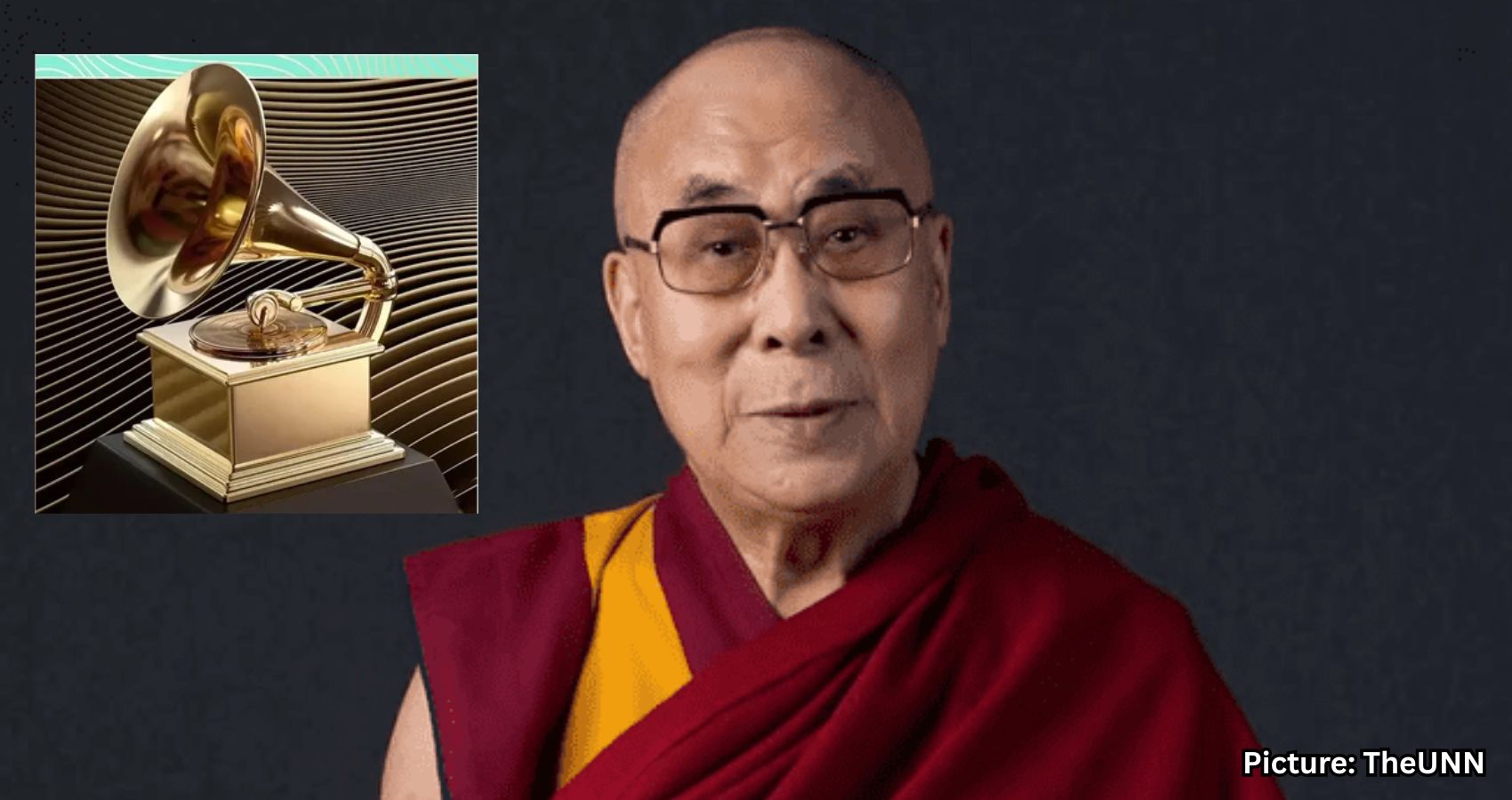
The Dalai Lama, at 90 years old, won his first Grammy Award for his spoken-word album, marking a historic moment in the intersection of spirituality and contemporary music.
The 68th Grammy Awards, held in Los Angeles, marked a significant milestone for global music and culture. Among the evening’s highlights was an unexpected moment involving a spiritual figure rather than a traditional pop star. At 90 years of age, the Dalai Lama won his first-ever Grammy Award in the category of Best Audio Book, Narration, and Storytelling Recording. His spoken-word album, *Meditations: The Reflections of His Holiness the Dalai Lama*, represents a significant achievement for the Buddhist leader, whose influence has shaped decades of political and spiritual discourse.
This recognition by the Recording Academy places the Dalai Lama in a unique circle of non-musical figures who have used recorded media to share philosophical and humanitarian messages with a global audience. The ceremony celebrated diversity and historical breakthroughs, featuring major wins for artists like Kendrick Lamar and notable representation for K-pop artists. However, the announcement of the Dalai Lama’s victory sparked immediate global interest in how a Buddhist monk became a contender for one of the most prestigious honors in the American entertainment industry.
The category of Best Audio Book, Narration, and Storytelling Recording has long been a space where influential public figures, including presidents, actors, and activists, intersect with the recording arts. In this instance, the Dalai Lama faced a diverse field of nominees, including Fab Morvan of Milli Vanilli, U.S. Supreme Court Justice Ketanji Brown Jackson, comedian Trevor Noah, and veteran actress Kathy Garver.
Unlike traditional music albums, the award-winning project is an immersive auditory experience that combines the Dalai Lama’s spoken reflections with intricate musical arrangements. Released in August 2025 to coincide with his 90th birthday, the album distills the spiritual leader’s core teachings on compassion, peace, and environmental stewardship into a format accessible to modern listeners. By integrating these teachings with a contemporary soundscape, the producers aimed to bridge the gap between ancient wisdom and the digital age.
A significant factor in the album’s success and Grammy eligibility was its sophisticated musical production. The project featured contributions from internationally recognized artists such as Rufus Wainwright, Maggie Rogers, and Andra Day. These musicians provided vocal and instrumental layers that complemented the Dalai Lama’s narration without overshadowing the message. Producer Kabir Sehgal noted that the selection of these collaborators was intentional, targeting artists whose personal work or academic backgrounds reflected an interest in philosophy and global harmony. The result is a recording that meets contemporary artistic standards while maintaining the gravity of its spiritual source material.
The foundational sound of the album is rooted in Indian classical music, which connects to the Tibetan cultural context. Renowned sarod maestro Amjad Ali Khan, along with his sons Amaan and Ayaan Ali Bangash, played a central role in the composition process. Their long-standing relationship with the Dalai Lama, spanning over twenty years of performances, lent a sense of continuity and personal devotion to the recording. Their involvement ensured that the musical elements remained respectful of spiritual traditions while providing the depth necessary for a critically acclaimed production. Amaan Ali Bangash mentioned that the Dalai Lama’s office was consulted regularly throughout the production to ensure the final product aligned with his vision.
The creation of the album required extensive archival and editorial effort. Kabir Sehgal reportedly spent over 100 hours reviewing and selecting excerpts from the Dalai Lama’s speeches and private conversations. This curation process focused on ten specific tracks that address pressing concerns of the modern era. For instance, the track titled “Water” highlights the environmental changes the Dalai Lama has observed since his youth in Tibet, emphasizing the urgent global need for resource conservation. Another track, “Peace,” delves into the concept of compassion, which the leader argues is not merely a religious virtue but a fundamental requirement for the survival of humanity in an increasingly divided world.
The timing of the release and the subsequent Grammy win comes at a reflective period in the Dalai Lama’s life. Having lived in exile in India for most of his life, the Nobel Peace Prize laureate has spent decades advocating for the rights of the Tibetan people and for global non-violence. While his ability to travel has become limited due to his age, his office viewed the Grammy win as a vital opportunity for his message to reach a younger, more digitally engaged generation. Representatives for the spiritual leader noted that the accolade was seen not as a personal achievement but as a validation of the universal relevance of his calls for kindness and empathy.
The Recording Academy’s decision to honor the Dalai Lama reflects a broader trend of recognizing the impact of spoken-word recordings in shaping public consciousness. Previous winners in this category include figures such as Jimmy Carter, Barack Obama, and Maya Angelou, who used the medium to document historical narratives or advocate for social change. By including the Dalai Lama in this lineage, the Grammy Awards acknowledged the intersection of spirituality and media in the 21st century. The album’s ability to transcend cultural and religious boundaries was a primary theme during post-award discussions, with industry analysts noting the rare crossover appeal of such a project.
The production of *Meditations: The Reflections of His Holiness the Dalai Lama* also highlights the role of modern technology in preserving and disseminating the legacy of global icons. At a time when international tensions and environmental crises dominate the global news cycle, the album’s focus on shared humanity resonated with the Recording Academy’s voting body. The meticulous sound engineering and the high profile of the musical guests ensured that the project met the technical requirements of the music industry while fulfilling its purpose as an educational and spiritual tool.
Although the Dalai Lama did not attend the ceremony in person, his presence was felt throughout the night as various artists and attendees referenced the significance of his win. This victory serves as a reminder of his enduring influence, nearly forty years after he was awarded the Nobel Peace Prize in 1989. As the spiritual leader enters his tenth decade, this Grammy win marks an unexpected but impactful addition to a life defined by the pursuit of peace. The project stands as a testament to the idea that ancient philosophical concepts can be repackaged through the lens of art and music to find new life in the global cultural mainstream, according to GlobalNetNews.