
China has called for restraint and diplomatic dialogue following U.S. threats to blockade the Strait of Hormuz amid escalating tensions in the Middle East.
China has urged calm and restraint in response to rising tensions in the Middle East, particularly following remarks by former President Donald Trump regarding a potential blockade of the Strait of Hormuz. This warning comes on the heels of unsuccessful peace talks held in Islamabad aimed at resolving the ongoing conflict involving Iran.
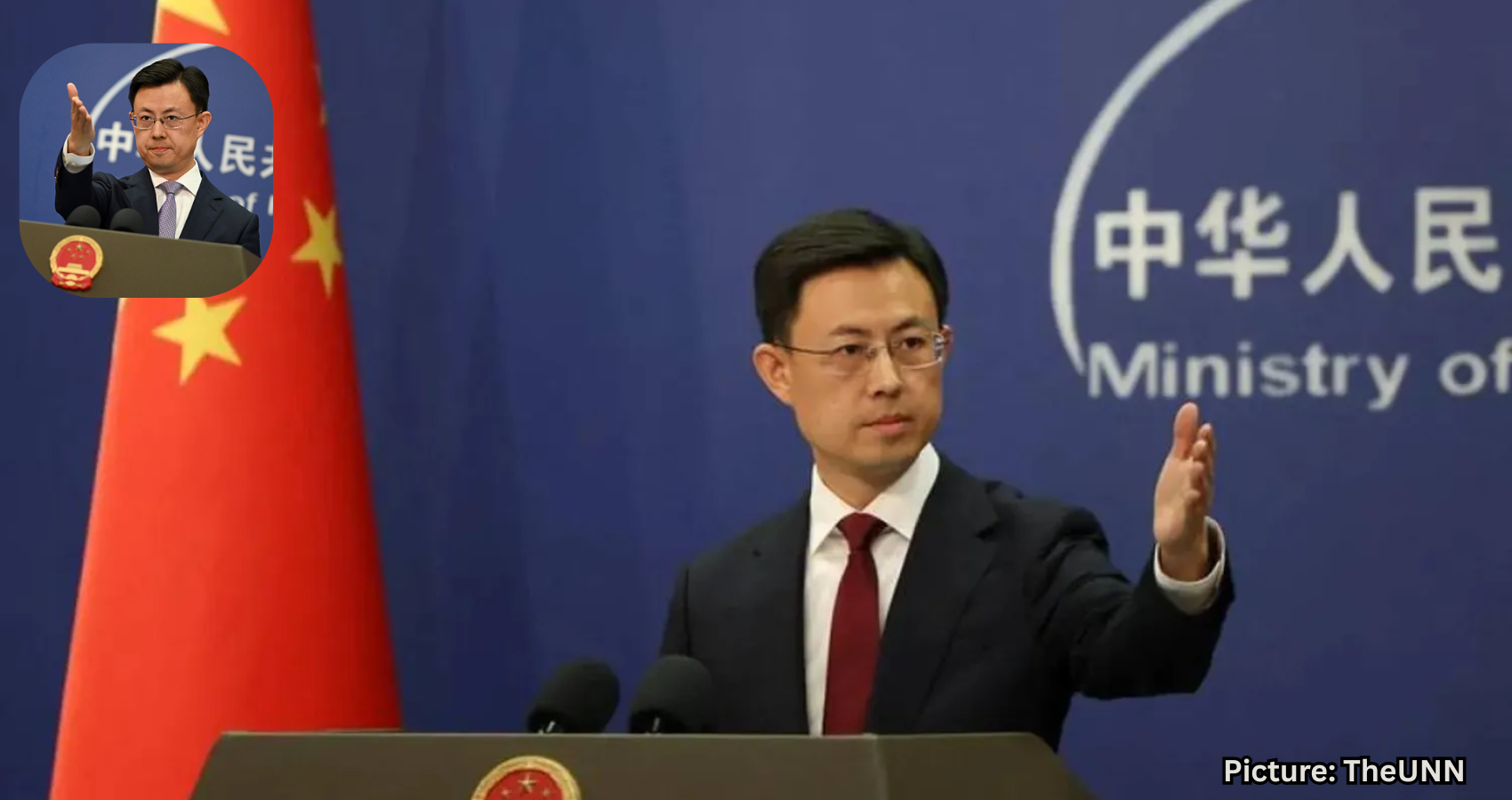
Chinese foreign ministry spokesperson Guo Jiakun emphasized the importance of stability and peace in the region. He stated that maintaining the safety and openness of the Strait of Hormuz is crucial for the international community, as it plays a significant role in global energy supply and trade.
“China hopes the relevant parties will abide by the temporary ceasefire arrangements, remain committed to resolving disputes through political and diplomatic means, and avoid a resumption of hostilities,” Guo said.
China has expressed its readiness to take on a constructive role in addressing the crisis. Guo characterized the initial discussions in Islamabad as a positive step toward reducing tensions, despite the absence of a final agreement.
In the wake of the failed negotiations, the U.S. Central Command announced plans to initiate a blockade of maritime traffic linked to Iranian ports, effective Monday at 10 a.m. ET (1400 GMT). This decision has raised concerns about the potential for further escalation in the region.
Guo also addressed allegations that China intends to supply weapons to Iran, labeling such claims as “groundless smears and malicious associations.” He responded to Trump’s warning about imposing 50% tariffs on countries supplying arms to Iran, asserting that China has consistently maintained a prudent and responsible approach to arms exports. Guo noted that China adheres to strict domestic laws and international obligations regarding arms trade.
The Strait of Hormuz is a critical global energy route, facilitating the passage of nearly one-fifth of the world’s oil and gas supplies. Any disruption in this vital waterway could have significant repercussions for international energy markets and global trade.
Prior to the escalation of the conflict, China was the largest importer of Iranian crude oil, with a substantial portion of Iran’s oil exports shipped to China via the Strait of Hormuz. This dependency underscores the importance of the route for China’s energy security, prompting the nation to advocate for peace, stability, and uninterrupted navigation in the region.
As tensions continue to rise, the international community watches closely, hoping for a resolution that prioritizes diplomatic engagement over military confrontation. The situation remains fluid, and the potential for further developments looms large.
According to The Sunday Guardian, the ongoing dynamics in the Middle East will require careful navigation to avoid a broader conflict.