
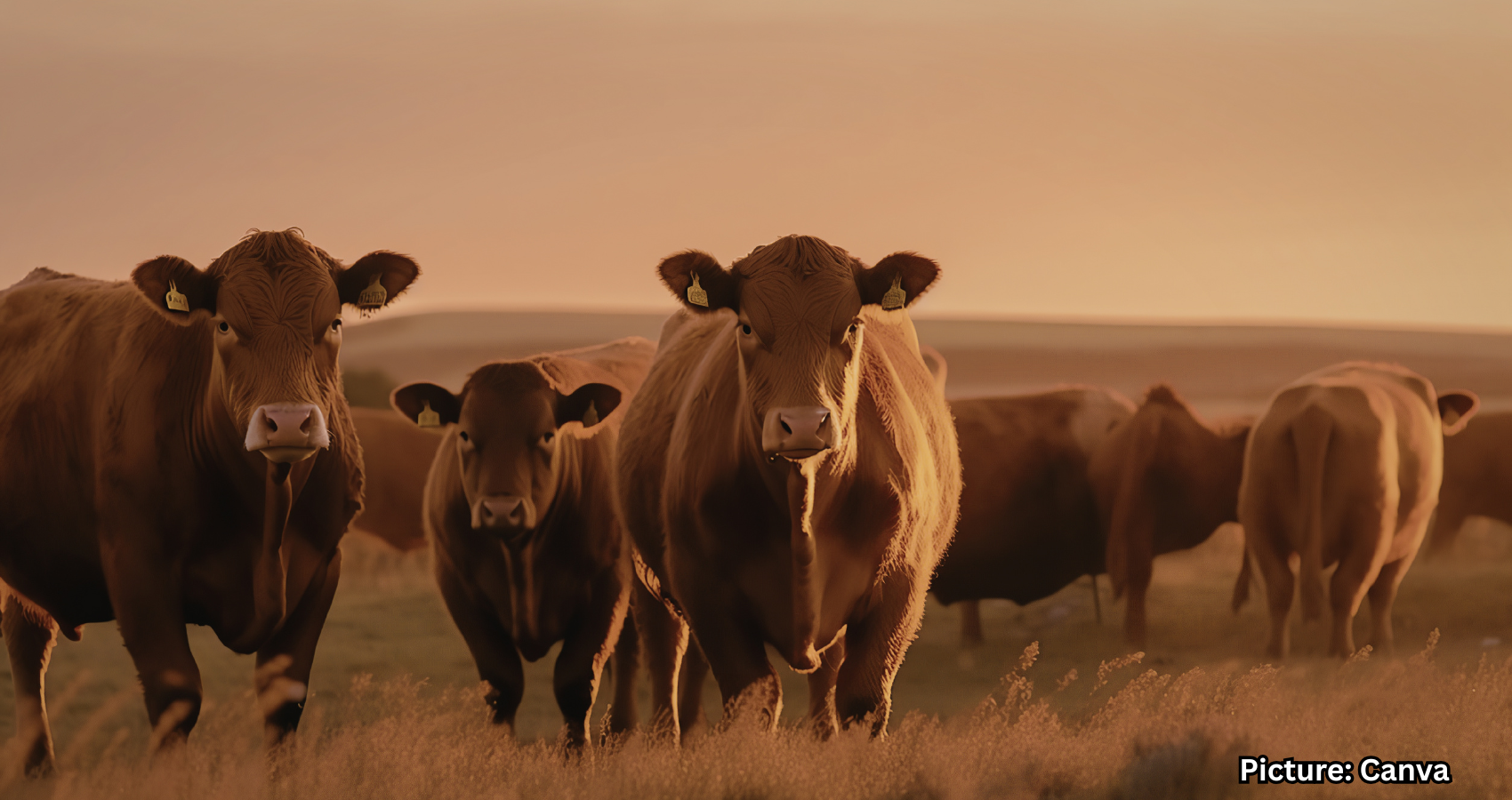
As beef prices rise and cattle herds decline, a New Zealand startup’s AI-powered collars for cows are attracting significant investor interest, potentially reshaping the agricultural landscape.
A New Zealand agtech startup is gaining traction in the investment community with its innovative AI-powered cattle collars, as beef prices soar and labor shortages challenge farmers. Halter, the company behind this technology, is reportedly in negotiations to secure new funding, with billionaire Peter Thiel’s Founders Fund expected to lead the investment round, according to a Bloomberg report.
The funding round has generated considerable interest from investors and is nearing completion, although final details are still being finalized. As farmers seek ways to reduce costs and enhance efficiency, innovations like Halter’s collars could play a pivotal role in addressing the ongoing challenges in the agricultural sector.
Beef prices have already surged, with economists cautioning that consumers should not anticipate relief in the near future. The U.S. cattle herd has dwindled to its smallest size in 75 years, a decline attributed to prolonged drought conditions, escalating costs, and an aging workforce in ranching. Experts predict that rebuilding cattle herds will take years, suggesting that elevated beef prices are likely to persist.
Data from the U.S. Department of Agriculture indicates that the average price of beef in grocery stores rose from approximately $8.60 per pound in February 2025 to $10.12 per pound a year later, marking an increase of around 18%.
In this challenging environment, Halter is promoting its technology as a solution for farmers striving to do more with less. The company’s solar-powered, AI-driven collars enable ranchers to manage cattle without the need for traditional fencing. Utilizing GPS, sound, and vibration signals, the system can be controlled via a smartphone app, allowing farmers to monitor livestock health and movement in real time.
The primary objective of this technology is to reduce the reliance on labor, lower operational costs, and optimize land use. Halter is part of a broader movement toward “precision agriculture,” which seeks to modernize farming through technological advancements. However, the precision agriculture sector has faced challenges in recent years, with numerous startups struggling to survive amid high costs and slow adoption rates.
In an effort to expand its reach, Halter has recently opened an office in Colorado, targeting American ranchers as a key growth market. If the current funding round concludes successfully, it could signal a renewed confidence in the potential of AI within the agricultural industry, an area where many technological investments have not met expectations.
Halter did not immediately respond to requests for comment regarding the funding round and its future plans.
As the agricultural landscape evolves, the intersection of technology and farming may provide the solutions needed to navigate the challenges posed by labor shortages and rising costs, ultimately impacting food prices for consumers.
According to Bloomberg, the developments surrounding Halter and its innovative technology could represent a significant shift in how ranchers manage their operations in the face of ongoing economic pressures.