
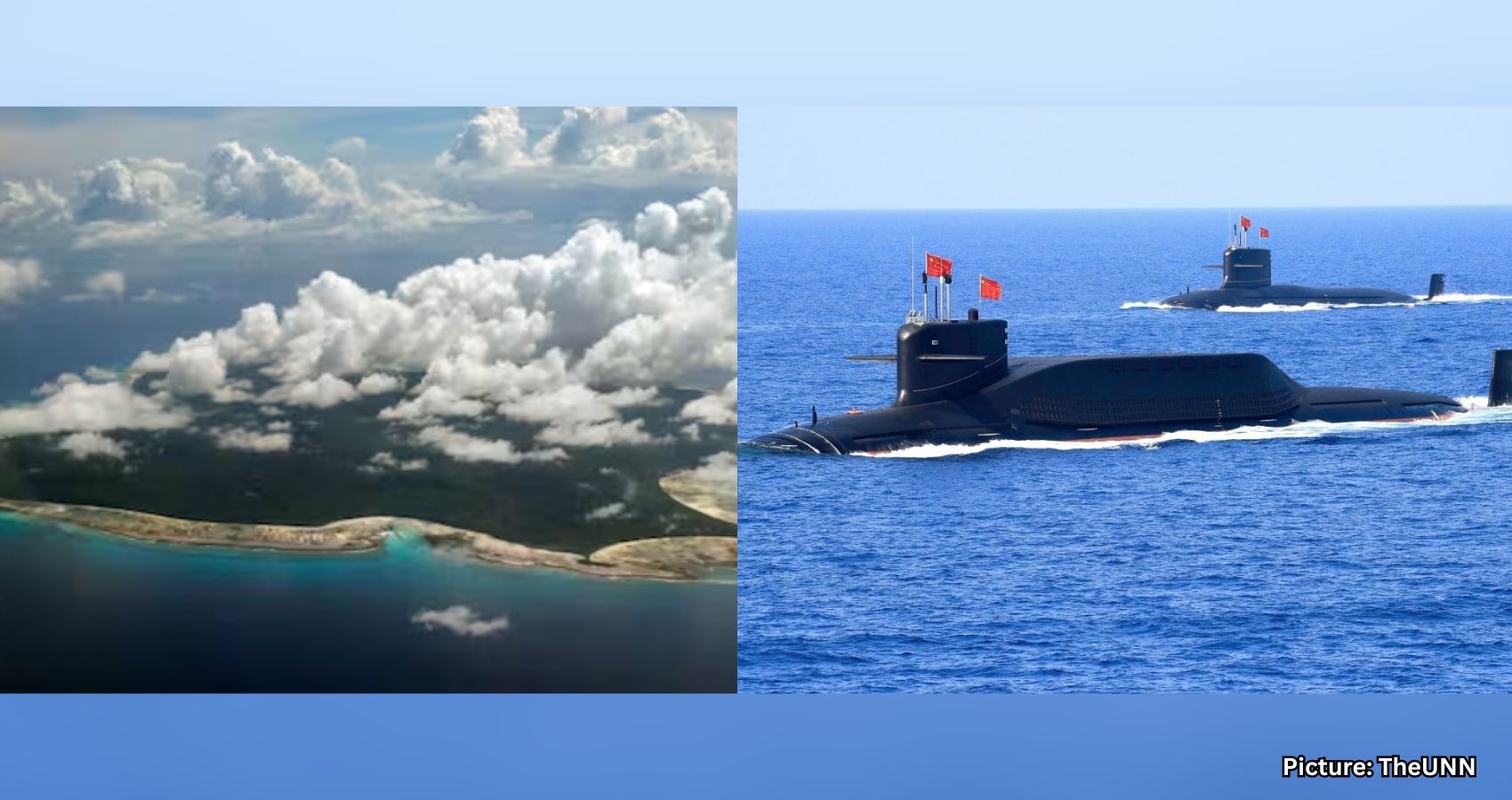
Experts emphasize the strategic importance of India’s Andaman and Nicobar Islands for US-India maritime cooperation in countering China’s influence in the Indo-Pacific region.
In a recent hearing before the House Foreign Affairs Subcommittee on South and Central Asia, experts highlighted the critical role of India’s Andaman and Nicobar Islands in the evolving maritime strategy between the United States and India. Located at the strategic mouth of the Strait of Malacca, these islands are increasingly viewed as a vital asset for enhancing cooperation between the two nations.
Jeff Smith, a representative from the Heritage Foundation, addressed lawmakers on December 10, asserting that the Andaman and Nicobar Islands provide India with unparalleled visibility over one of the world’s most significant maritime chokepoints. He stated, “I would like to see even more US and Indian cooperation around that location,” advocating for expanded intelligence-sharing and integrated surveillance efforts.
Smith pointed out that China has been deploying submarines into the Indian Ocean since around 2013-2014, dismissing Beijing’s claims that these missions are solely for anti-piracy purposes. “Most of us know you don’t need a nuclear submarine to counter pirates off the Somali coast,” he remarked, emphasizing the broader implications of China’s military presence in the region.
He elaborated on the multifaceted nature of the rivalry between India and China, noting that it encompasses both land and maritime disputes. “They have the border dispute issue, but there’s also a maritime component to the rivalry, and that has been heating up considerably,” Smith explained. He underscored the importance of maintaining US access to Diego Garcia, a strategic base in the Indian Ocean, while also recognizing the significance of India’s naval capabilities at the Andaman and Nicobar Islands.
Smith reiterated the strategic value of the islands, stating, “And frankly, this is an extremely valuable asset for any country. Certainly, for India. I would like to see even more US-Indian cooperation in that area, as it allows both of us to monitor traffic entering and exiting the Indian Ocean from the Western Pacific.”
Dhruva Jaishankar, another expert present at the hearing, provided insights into India’s expanding naval capabilities. He noted that the Indian Navy has increased its patrol frequency, broadened its humanitarian and anti-piracy missions, and enhanced collaborative exercises with partners in the Western Pacific, including nations such as South Korea, Australia, Papua New Guinea, Fiji, and around Guam.
Witnesses at the hearing argued that maritime cooperation is essential for countering China’s strategic initiatives in the Indo-Pacific. Committee Chairman Bill Huizenga expressed concern over China’s “string of pearls” strategy, which he described as an overt attempt to encircle and control the Indian Ocean. He emphasized that ensuring free sea lanes is vital for global economic stability.
In light of these developments, Smith urged Congress to take proactive measures to facilitate defense co-production, expedite export clearances, and strengthen intelligence agreements. These steps, he argued, would enable both the United States and India to effectively track submarine movements and monitor Chinese naval deployments in the region.
The discussions during the hearing underscore the growing recognition of the Andaman and Nicobar Islands as a strategic asset in the broader context of US-India relations and their shared interests in maintaining stability in the Indo-Pacific region. As both nations navigate the complexities of their maritime strategies, the importance of cooperation and collaboration will likely continue to shape their approaches to regional security.
According to IANS, the strategic dialogue surrounding the Andaman and Nicobar Islands reflects a critical juncture in US-India maritime cooperation, particularly in the face of increasing challenges posed by China.