
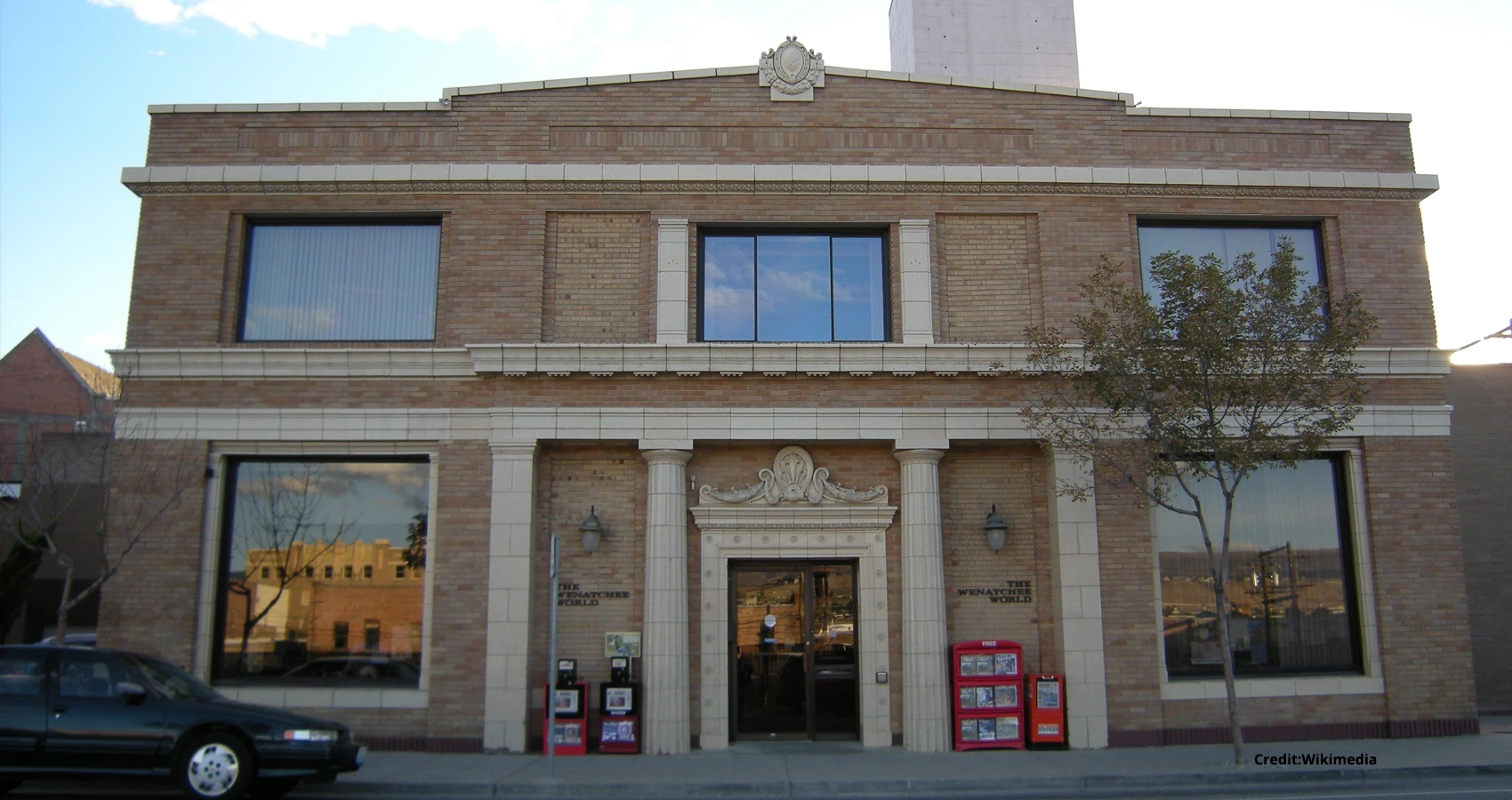
Wenatchee Downtown Association utilized the Belonging Barometer to enhance community engagement, accessibility, and inclusivity, ultimately transforming the downtown experience for residents.
The Wenatchee Downtown Association has taken significant steps to understand and improve community belonging through the use of the Belonging Barometer. This innovative tool has allowed the organization to assess how residents perceive their downtown area and who feels included in shaping its future.
Rosa Pulido, the Executive Director of the Wenatchee Downtown Association, first encountered the Belonging Barometer during a pilot program initiated by Washington Main Street. Wenatchee was one of four organizations selected to participate in this initiative.
“It really helped us just understand where our community is as a whole,” Pulido remarked, emphasizing the importance of the survey in her new leadership role.
As a newcomer to the position, Pulido sought to gauge how residents experienced downtown and whether they felt empowered to influence its development. She recognized the necessity of data to guide changes within the organization.
“I used it first to understand what people felt about downtown, especially being new in the role. I thought it was really important for me to understand how the community felt about it, especially when it comes to volunteer work or making decisions for the future of downtown,” she explained.
The survey prompted the organization to look beyond its existing engagement efforts and consider whether its outreach accurately reflected the broader community. Pulido highlighted that Wenatchee’s population is roughly divided between Hispanic/Latino and white residents.
“We wanted to understand first who is our reach and our demographic … and then how do we, knowing what we know about the census and our community as a whole, incorporate everyone’s voices?”
The timing of the survey results coincided with the organization’s strategic planning process, allowing Pulido to align residents’ feedback on belonging with operational decisions. The findings influenced various aspects of the organization, from programming and events to board-member onboarding and volunteer recruitment.
<p“It really did help with not just programming, but operations and how we do things internally,” Pulido stated.
One of the most significant revelations from the survey was the community’s understanding of the organization itself. While residents appreciated the changes occurring downtown, many were unaware that the Wenatchee Downtown Association and its volunteers were behind these initiatives.
“Clearly, we are making an impact with the work that we’re doing. But I don’t think people understood that it was us or other volunteers,” Pulido noted.
This insight led the organization to rethink its communication strategy, focusing on better articulating its role and showcasing the contributions of its volunteers. Additionally, the survey highlighted a practical challenge: many residents perceived downtown as a place where spending money was often necessary to participate.
“We heard that downtowns are expensive, or it’s expensive to spend time downtown,” Pulido said.
In response, the organization began promoting more free and low-cost activities available downtown, such as public spaces, art installations, and opportunities to connect with local business owners.
“We do a lot more promotion of … the things that you can do for free downtown,” she explained. The organization also made physical changes to create more inviting spaces for community gatherings, including revamping an underused plaza, adding umbrellas and tables, increasing green space, and relocating a bike rack for better accessibility.
“There’s a lot more people just hanging out downtown,” Pulido observed. “And people have commented a lot that they’re very grateful that we have more seating, or we have more flowers.”
The Belonging Barometer also spurred momentum for an accessibility audit, examining how different individuals, including those who use wheelchairs or are visually impaired, experience downtown.
Wenatchee leveraged existing community partnerships to broaden its outreach. The Downtown Association collaborated with regional nonprofits, the Chamber of Commerce, the city, the port authority, and a local organization focused on Hispanic outreach. The bilingual survey was disseminated through various channels, including email, newsletters, social media, QR-code flyers, and community tabling events, where assistance was provided for accessing the survey.
For Pulido, the value of the Belonging Barometer extends beyond its initial findings. She sees it as a tool for measuring change over time. After implementing the insights gained to reshape the organization’s strategy and enhance the downtown experience, she plans to conduct the survey again.
“I feel like it’s something you should measure every few years just to see if the work that you’re doing is actually working,” she said. Ultimately, Pulido hopes the next survey will help answer a crucial question: “Are we actually making a difference in belonging?”
For those interested in assessing belonging within their own communities, the Wenatchee Downtown Association encourages downloading the free Belonging Barometer Quick Start Guide and survey questions.
According to American Immigration Council, the Wenatchee Downtown Association’s efforts exemplify how community engagement can be enhanced through thoughtful data collection and responsive strategies.