
Europe faces a tumultuous weekend marked by unrest in France, a thaw in Hungary’s relations with the EU, and pivotal elections in Serbia, reflecting deep-rooted issues across the continent.
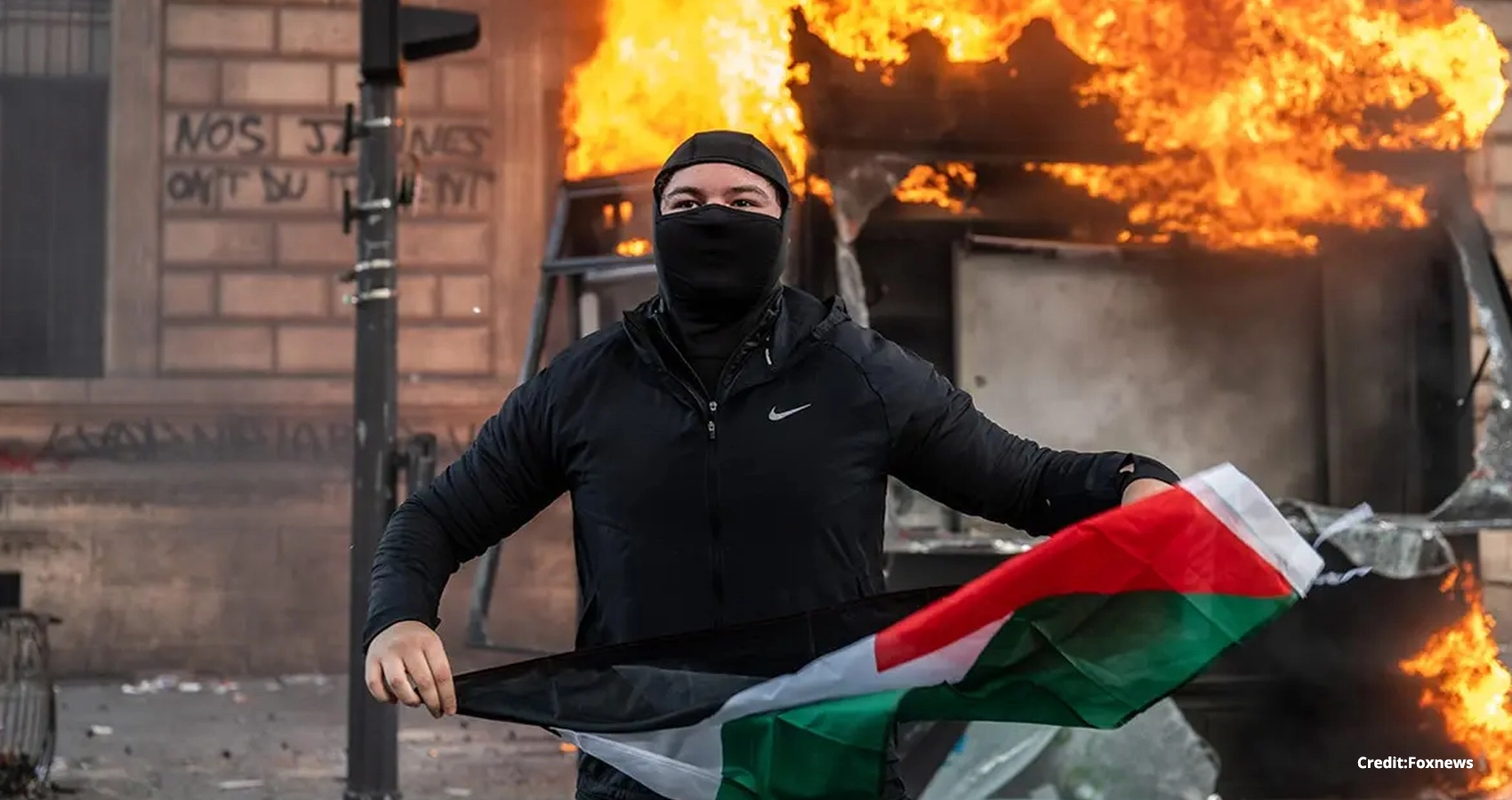
France is preparing for a second weekend of mass demonstrations as protests against the cost of living and school conditions escalate. Last week’s unrest resulted in violent clashes, widespread looting, and approximately 2,400 arrests across major cities, including Paris and Marseille.
This weekend, three significant fault lines are emerging across Europe: France grappling with its worst civil unrest in a generation, a tentative thaw in the relationship between Brussels and Budapest, and Serbia on the brink of a consequential election driven by a restless student movement. Together, these events highlight a continent wrestling with issues of democratic legitimacy, institutional trust, and economic hardship.
In France, demonstrations led by high school students protesting poor educational conditions have been ongoing since September 2026. What began as a movement focused on deteriorating school infrastructure and a shortage of teachers escalated dramatically on October 17, when trade unions, the revived yellow vest movement, farmers, and retirees joined the students in the streets. Authorities reported about 550,000 participants, while organizers claimed the number was closer to 800,000. The protests turned violent, with rampant looting in cities like Paris, Marseille, and Bordeaux, and significant damage to historic buildings, including the city hall in Limoges.
Following the violence, police arrested at least 1,800 individuals, with the total rising to around 2,400 by Sunday. Approximately 1,000 police officers were reported injured during the clashes, according to the BBC. French President Emmanuel Macron expressed the public’s “anger” and “shame” over the riots, attributing the violence to “insurrectionist elements from radical far-left groups” and criminal elements. Interior Minister Laurent Nuñez condemned the deliberate chaos, highlighting the looting of hundreds of businesses across multiple cities.
The protests stem from a complex web of grievances, including overcrowded classrooms, long-term teacher absences, and a general sense of economic precarity exacerbated by post-pandemic inflation. Alice de Brito, vice president of France’s main student union UNEF, stated that students are protesting against systemic neglect in public education and the dire economic prospects facing young people, issues she claims the Macron administration has failed to address.
As France braces for further protests this Saturday, the government has announced heightened security measures, deploying thousands of additional police officers. However, protest organizers remain resolute in their plans to demonstrate. The unrest has significant implications for the upcoming presidential election, with heightened tensions between leading candidates. Far-right leader Marine Le Pen criticized far-left rival Jean-Luc Mélenchon for his association with the protests, while Mélenchon sought to differentiate between peaceful demonstrators and those engaging in violence.
Meanwhile, the unrest in France has sparked discussions among EU leaders regarding migration policies, with Polish Deputy Interior Minister Maciej Duszczyk addressing the growing divisions among EU leaders in light of the situation.
In Hungary, European Commission President Ursula von der Leyen and European Council President António Costa attended a commemoration of the 70th anniversary of the 1956 anti-Soviet uprising. This visit marks a significant thaw in relations between Brussels and Budapest, which had been strained under former Prime Minister Viktor Orbán. Von der Leyen’s presence at the event, where she is expected to deliver a speech alongside Prime Minister Péter Magyar, signifies a shift in the political landscape since Magyar’s election earlier this year.
French President Macron’s absence from the commemoration, despite earlier indications he would attend, underscores the political turmoil he faces at home. The commemoration also serves as a platform for European leaders to express solidarity with Hungary while condemning Russia’s ongoing war in Ukraine. Although Ukrainian President Volodymyr Zelensky was invited, his attendance remains uncertain.
Despite the positive developments in Hungary, challenges remain. Prime Minister Magyar is pursuing former officials accused of corruption, but there are calls for quicker results. Additionally, Hungary’s stance on migration continues to diverge from EU positions, with the Fidesz party, which remains politically active, criticizing Magyar’s alignment with pro-EU leaders.
In Serbia, the political landscape is shifting as the country prepares for snap parliamentary elections on Saturday. The elections are seen as a response to a student movement that emerged following a tragic train accident in November 2024, which claimed 16 lives. This movement has galvanized widespread anti-corruption protests against President Aleksandar Vučić’s administration.
The upcoming elections are pivotal for Vučić, who must transition to the role of prime minister to maintain power, as his presidential term ends in 2027. Concerns about the fairness of the elections have been raised, with allegations of vote-buying and media manipulation by Vučić’s Serbian Progressive Party. Recent opinion polls suggest that a student-led coalition may be leading over the ruling party, raising hopes for a significant political shift.
As Europe navigates this tumultuous weekend, the outcomes in France, Hungary, and Serbia will reveal much about the continent’s democratic health and the challenges it faces. The events unfolding across these nations reflect deep-seated issues that continue to shape the political landscape in Europe.
According to The Sunday Guardian.