
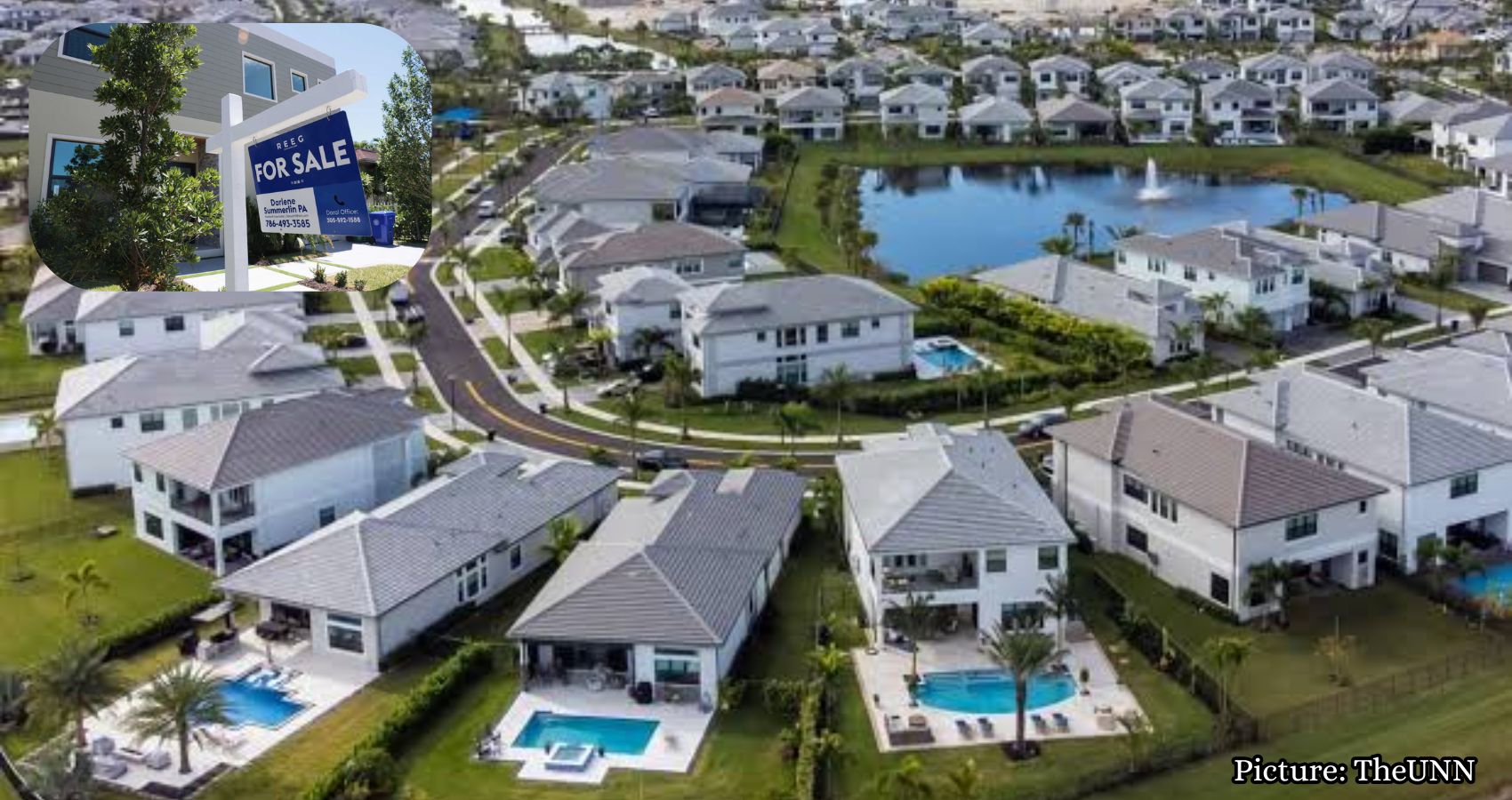
The average U.S. mortgage rate has surpassed 7% for the first time in 20 months, presenting new challenges for homebuyers amid high property prices and inflation.
The average U.S. mortgage rate has climbed above 7% for the first time since January 2025, adding another hurdle for homebuyers already grappling with elevated property prices and inflationary pressures.
According to Freddie Mac, the average rate for a 30-year fixed mortgage reached 7.03% this week, an increase from 6.95% the previous week and up from 6.30% a year ago. This marks the fifth consecutive weekly rise, driven by higher borrowing costs due to increasing Treasury yields and renewed inflation concerns.
The significance of this increase is underscored by the fact that the 30-year fixed mortgage is the most common type of home loan in the United States. Earlier this year, rates had briefly dipped to around 6%, providing a glimmer of hope for potential buyers. However, the latest surge is now exerting additional pressure on household budgets.
This rise in mortgage rates follows the Federal Reserve’s recent decision to increase its benchmark interest rate by a quarter percentage point, bringing it to a range of 3.75% to 4%. This was the first hike since 2023, and policymakers have indicated that another increase could occur before the year concludes.
Mortgage rates are closely tied to the bond market, particularly the yields on 10-year U.S. Treasury securities, which have surged to about 5.15%, the highest level since 2007. Additionally, the ongoing conflict in Iran has led to rising energy prices, further impacting inflation.
“A 7% handle is as much psychological as mathematical, and it arrives at a point in the season when leverage usually shifts toward buyers,” said Anthony Smith, a senior economist at Realtor.
The timing of these higher rates poses challenges for the housing market. The median price of an existing home reached $429,100 in August, marking an annual increase that has persisted for 38 consecutive months. Furthermore, mortgage applications for home purchases have fallen by 11% compared to a year earlier.
Despite these challenges, Freddie Mac’s chief economist, Sam Khater, noted that the housing market remains supported by a robust labor market and a growing economy. “The housing market remains supported by a solid labor market and an economy that is growing at a healthy rate,” he stated.
Economists have cautioned that the 7% threshold carries psychological weight for both buyers and sellers. Crossing this level could deter potential buyers, resulting in decreased housing activity during a traditionally significant sales season.
Nonetheless, the market has not ground to a halt. New home sales saw a 6.4% increase in August, indicating some resilience amid the rising rates.
As the midterm elections approach, the implications of rising mortgage rates may become a focal point for political discourse, particularly for Democrats who may leverage economic concerns against the Trump administration. A recent CNN poll revealed that only 27% of Americans approved of Trump’s handling of the economy, a decline of 22 points since 2018.
This evolving landscape of mortgage rates and housing market dynamics will continue to shape the experiences of homebuyers and the broader economy in the months ahead, according to Freddie Mac.