
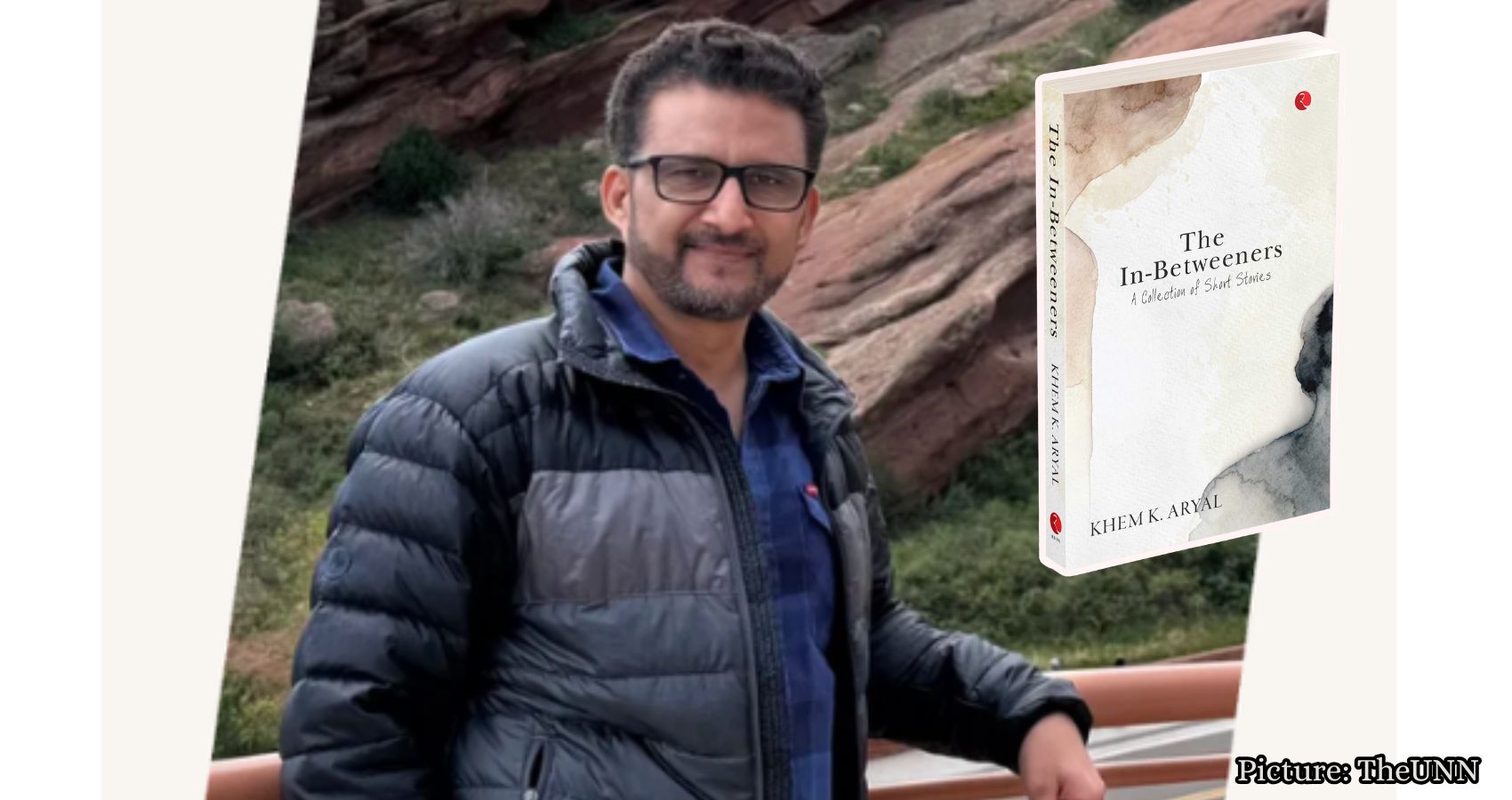
The In-Betweeners by Khem K. Aryal explores the nuanced experiences of Nepali immigrants in the U.S., highlighting their struggles, aspirations, and the psychological toll of migration.
Khem K. Aryal’s debut collection of short stories, *The In-Betweeners*, offers a profound exploration of the lives of Nepali immigrants in the United States. As a fiction writer and an associate professor of creative writing at Arkansas State University, Aryal delves into the inner conflicts faced by his characters, set against the backdrop of significant political changes in both the U.S. and Nepal.
Despite the growing number of South Asian authors writing in English, there remains a scarcity of English-language writers from Nepal. Aryal’s collection is a notable addition to the emerging canon of South Asian fiction, providing fresh perspectives and voices that resonate with the immigrant experience.
The title *The In-Betweeners* aptly reflects the liminal space many characters inhabit, caught between their homeland and their new life in America. For some, the U.S. symbolizes the realization of long-held dreams for a better future. However, many characters grapple with feelings of regret and guilt for leaving their native country behind. In their minds, Nepal transforms into a nostalgic landscape filled with friendship and creativity, while the U.S. often becomes synonymous with relentless labor and isolation, particularly in environments like restaurants devoid of community.
The opening story, “Laxman Sir,” introduces a protagonist working in an Amazon warehouse who struggles to meet the demanding pace of his job. Once a respected Sanskrit teacher in Nepal, he yearns for the dignity and recognition he once had, despite his modest income. By the story’s conclusion, he finds a way to accept his circumstances, motivated by the desire to provide for his children, who seem to embrace their new life in America more readily than he does.
In “Overstayed,” Jagan longs to reclaim his identity as a singer and performer, a passion he has sacrificed for survival as a restaurant cook in the U.S. Unlike other characters, Jagan chooses to return to Nepal to pursue his artistic dreams rather than endure the uncertainty of visa sponsorship in America.
The collection also poignantly addresses the experiences of Nepali women. In “Visa for Mama,” a young woman grapples with jealousy as she watches other Nepali families sponsor their parents to visit the U.S. This jealousy is rooted in her unresolved grief over the absence of her own mother, who cannot come to visit her new family.
The final story, “How Not to Come to America,” reveals the complex personal arrangements a man makes to accompany his cousin, who wins a diversity visa lottery. This decision comes at a significant emotional cost to his wife and daughter. Years later, when he reunites with his wife in the U.S., they find that the distance between them has only widened due to the repercussions of his earlier choices.
While America is often viewed as a land of opportunity for new immigrants, Aryal’s collection delves into the psychological burdens that migration imposes on individuals and their families. Several stories highlight the generational divide in expectations: older generations often assume that new immigrants will eventually return to Nepal, while the immigrants themselves become increasingly unsettled by the idea of going back.
In “Mrs. Sharma’s Halloween,” a visiting mother from Nepal feels profound discomfort with the Halloween decorations in her neighborhood, prompting her to urge her son to sell their house. Meanwhile, in “Rescued,” a young father struggles with feelings of inadequacy as a parent and provider, leading him to the brink of a nervous breakdown—an experience that resonates with many young parents.
In “Shopping for Glasses,” Madan Koju faces a state of mental paralysis as he attempts to choose a pair of glasses. What seems like a trivial decision underscores the profound sense of social disconnection that many new immigrants from non-Western cultures encounter. Unlike in Nepal, where a salesperson would engage with him in making a choice, Madan is taken aback by the indifference he experiences in the U.S.
Several male characters in the collection confront a breakdown of traditional authority structures, resulting in identity crises and a loss of masculinity. In “The Return,” a father is bewildered when his son reports him to the police for domestic violence. These protagonists often find themselves in a tumultuous world where old values no longer apply, yet they have not yet adapted to new norms, leading to a landscape filled with self-questioning and, paradoxically, opportunities for growth.
Khem K. Aryal’s portrayal of Nepali Americans is infused with warmth and empathy. Even characters who might typically elicit negative reactions, such as a domestic abuser or a conservative Sanskrit teacher with Trump-supporting tendencies, are depicted with humor and understanding for their flaws. Aryal’s ability to distinguish the Nepali immigrant experience from other South Asian narratives makes this collection particularly compelling. Readers will undoubtedly find themselves eager for more from this talented author.
*The In-Betweeners* is published by Rupa Publications and consists of 232 pages. The collection is set to be released in December 2025.
According to India Currents, Aryal’s work is a significant contribution to the understanding of the immigrant experience.