
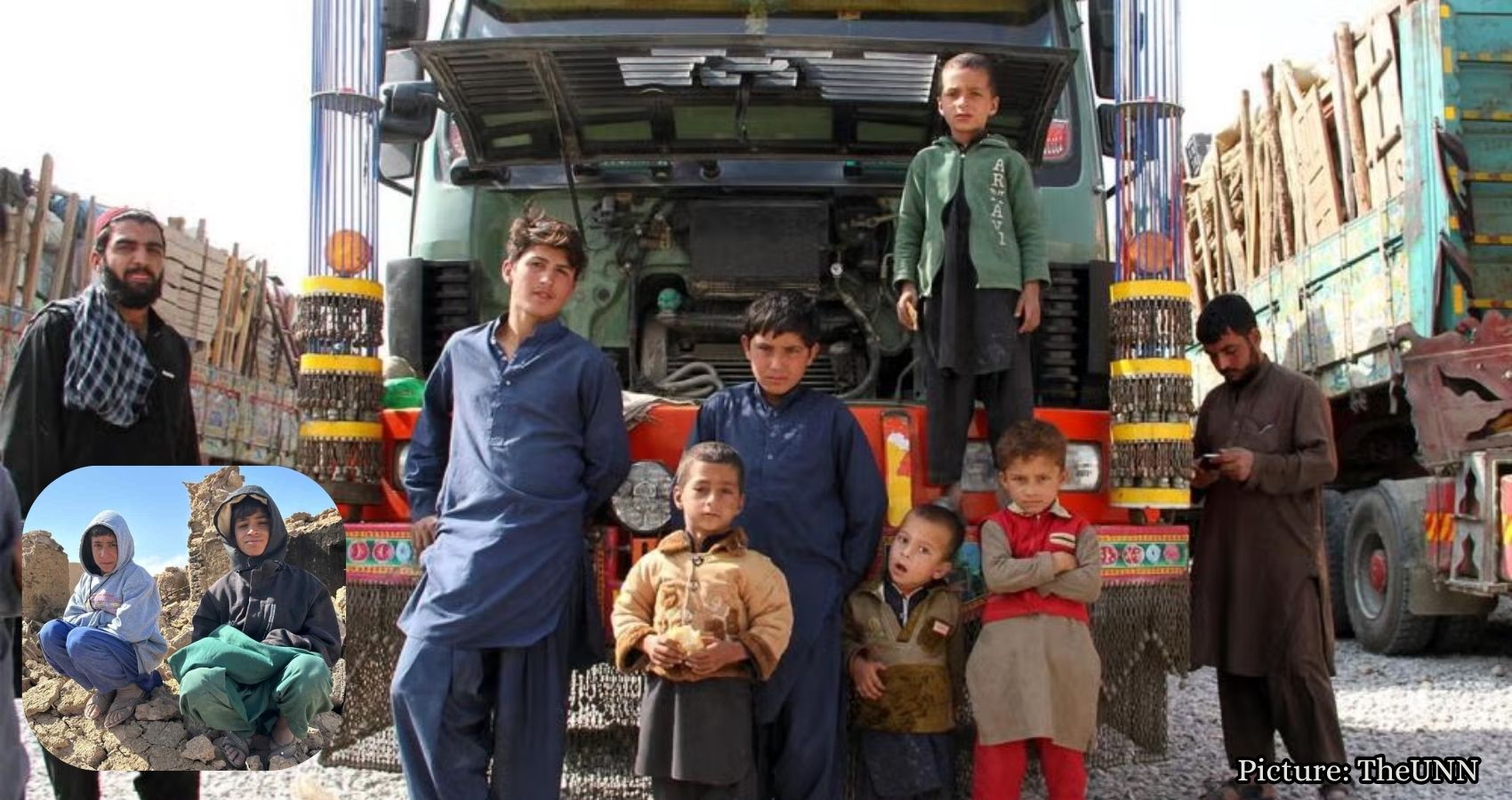
Millions of Afghan refugees are returning to a homeland they barely know, facing dire challenges as deportations from Pakistan and Iran escalate under Taliban rule.
Millions of Afghan nationals are confronting an uncertain future as they return to a homeland many have never truly known. This unprecedented wave of repatriation is driven by aggressive mass deportation campaigns from neighboring Pakistan and Iran, according to multiple reports. United Nations agencies indicate that approximately six million Afghans have crossed back into their country in less than three years, resulting in a staggering humanitarian crisis under Taliban governance.
The influx of returnees has stretched already fragile local resources to their limits, forcing many to navigate extreme poverty, limited employment opportunities, and a domestic landscape marked by severe restrictions on basic freedoms.
The dramatic surge in repatriation is largely attributed to intensified enforcement measures by Islamabad and Tehran, which cite growing security concerns and significant strain on their national infrastructure. For decades, millions of Afghan families sought refuge abroad due to ongoing conflicts in their homeland. However, recent policy shifts have dismantled temporary protection frameworks, compelling both undocumented and documented migrants to return home.
For many, this journey is far from a traditional homecoming. “I was born and raised in Pakistan, and almost my entire extended family has also been deported,” Nazia, a 35-year-old returnee, shared with Minute Mirror. Her life was fully established outside her ancestral borders, reflecting the disorienting reality faced by thousands of families forced into sudden relocation.
The physical realities at primary entry points, such as the Torkham border crossing between Pakistan and Afghanistan, have become symbols of profound human suffering. Families arrive with whatever sparse belongings they could salvage, ranging from livestock and household items to small bags of clothing, while others reach processing centers with virtually nothing. Charlie Goodlake, a spokesperson for the United Nations High Commissioner for Refugees (UNHCR) in Afghanistan, highlighted the monumental scale of this movement.
“The number of people returning represents a population comparable to that of a small country,” Goodlake stated, emphasizing that reception camps are buckling under extreme summer temperatures exceeding 40 degrees Celsius, alongside acute shortages of clean water, shelter, and medical care. International human rights organizations have consistently stressed that these returns violate principles of safety and dignity, leaving vulnerable populations in a country where the UN estimates over 21 million people require urgent humanitarian assistance.
As international aid agencies grapple with significant funding deficits, the Taliban government asserts that the return of millions of citizens could ultimately benefit the nation’s long-term workforce if managed alongside robust economic development. Foreign Minister Amir Khan Muttaqi acknowledged that the sudden influx has generated immense pressure on domestic infrastructure but claimed that local authorities are actively working to accommodate incoming families.
However, the administration’s hardline domestic policies, particularly the strict enforcement of bans on secondary and higher education for women and extensive restrictions on female employment, exacerbate the challenges for returning women and children, who constitute a significant majority of the displaced population. While diplomats and international bodies debate the legality and morality of mass expulsions, millions of returning Afghans remain stranded in temporary camps, desperately seeking the means to rebuild lives shattered by decades of regional upheaval.
According to The Sunday Guardian, the situation continues to evolve, with many Afghans left to navigate an uncertain future amidst ongoing humanitarian crises.