
Silent voicemails are flooding users’ inboxes without their phones ringing, raising concerns about ringless voicemail scams and the potential risks of callback scams.
In an unsettling trend, users are reporting receiving silent voicemails from rotating numbers, often every 20 minutes, without their phones ever ringing. This phenomenon has left many questioning the nature of these mysterious messages and whether they are part of a larger scam. One such user, Mike from Westport, Connecticut, expressed his frustration, stating, “I am so upset. Every 20 to 30 minutes, I am getting voicemails, but what’s weird is my phone never rings. After blocking the number, it just rolls over to a new source number. When I go to play the message, there is no audio. Is this a scammer just trying to get me to call them back?”
Mike’s experience highlights a growing concern regarding automated spam activity. However, it is important to note that a voicemail appearing without a phone ringing does not necessarily indicate the use of a “ringless voicemail” system by scammers. Various factors, including call-screening settings, wireless carrier spam filters, and automated robocalls, can lead to similar outcomes.
The safest approach for users receiving repeated unexplained voicemails from unfamiliar numbers is to treat these notifications as suspicious and refrain from returning the calls. Understanding the mechanics behind these silent voicemails can help users protect themselves from potential scams.
One explanation for the silent voicemails is the technology known as ringless voicemail, which delivers pre-recorded messages directly to a voicemail inbox without causing the phone to ring. The Federal Communications Commission (FCC) ruled in 2022 that ringless voicemail to wireless phones qualifies as a “call” under federal robocalling regulations, particularly when an artificial or pre-recorded voice is used. This means that such messages are subject to consent requirements.
Another possibility is that the call reached the user’s number, but the phone or wireless carrier filtered it out before it could be heard. For instance, current iPhones can silence calls identified as potential spam or fraud, sending them directly to voicemail. Additionally, Apple allows users to screen or silence calls from numbers not saved in their contacts. Automated calling systems can also result in extremely short or silent messages when a call reaches voicemail, but the recording fails to play properly.
Mike’s situation is further complicated by the fact that blocking one number often leads to another replacing it. This is due to caller ID spoofing, a tactic used by scammers to falsify the caller ID information displayed on the recipient’s phone. As a result, the number shown may bear little relation to the actual caller, and in some cases, it may even belong to an innocent person whose number is being misused. Consequently, blocking every number can feel like a frustrating game of whack-a-mole.
Silent messages may appear pointless, but they can serve a purpose for scammers. An unfamiliar voicemail notification can spark curiosity, prompting recipients to return the call. However, this is where caution is necessary. The Federal Trade Commission (FTC) advises individuals who receive illegal robocalls to hang up, avoid pressing buttons, and refrain from calling back.
There are specific scams designed around this curiosity, such as one-ring or Wangiri scams, where criminals place brief calls hoping the recipient will return them. This callback can lead to international or premium-rate numbers, resulting in unexpected charges. While a silent voicemail is not automatically indicative of a one-ring scam, the same safety rule applies: do not return an unexplained call simply out of curiosity.
Receiving a voicemail does not confirm that the recipient listened to it or that a scammer has successfully identified them as a responsive target. Engaging with these calls—whether by calling back, pressing prompts, or interacting with an illegal robocall—provides the other party with a response. The FTC specifically warns that pressing a number to remove oneself from a calling list can lead to an increase in unwanted calls.
Many robocall campaigns operate on a large scale, with systems capable of placing calls with minimal human involvement. If a call reaches voicemail but the recording does not start correctly, recipients may end up with a blank or extremely short message. While the repeated occurrence of such messages from changing numbers suggests automated calling activity, the voicemail alone does not definitively identify the caller or system behind it.
It is crucial to note that repeated silent voicemails are not evidence of a hacked phone. More likely, they are the result of calls being routed, screened, blocked, or sent to voicemail. However, users should remain vigilant for other warning signs, such as sudden loss of cellular service or unexpected changes to voicemail settings, which could indicate a SIM swap scam.
For individuals experiencing similar issues to Mike, it is advisable to contact their wireless carrier. Users should inform their carrier about the repeated silent voicemails from rotating numbers and inquire about network-level spam controls that may help prevent unwanted calls from reaching their voicemail. Carriers often have additional insights into how these calls are reaching users’ lines.
While it may not be possible to eliminate every unwanted voicemail, users can take steps to reduce disruptions. If a voicemail lacks meaningful content and the caller is unrecognized, there is typically no reason to return the call. Legitimate callers will usually identify themselves in a voicemail or attempt to reach the recipient again.
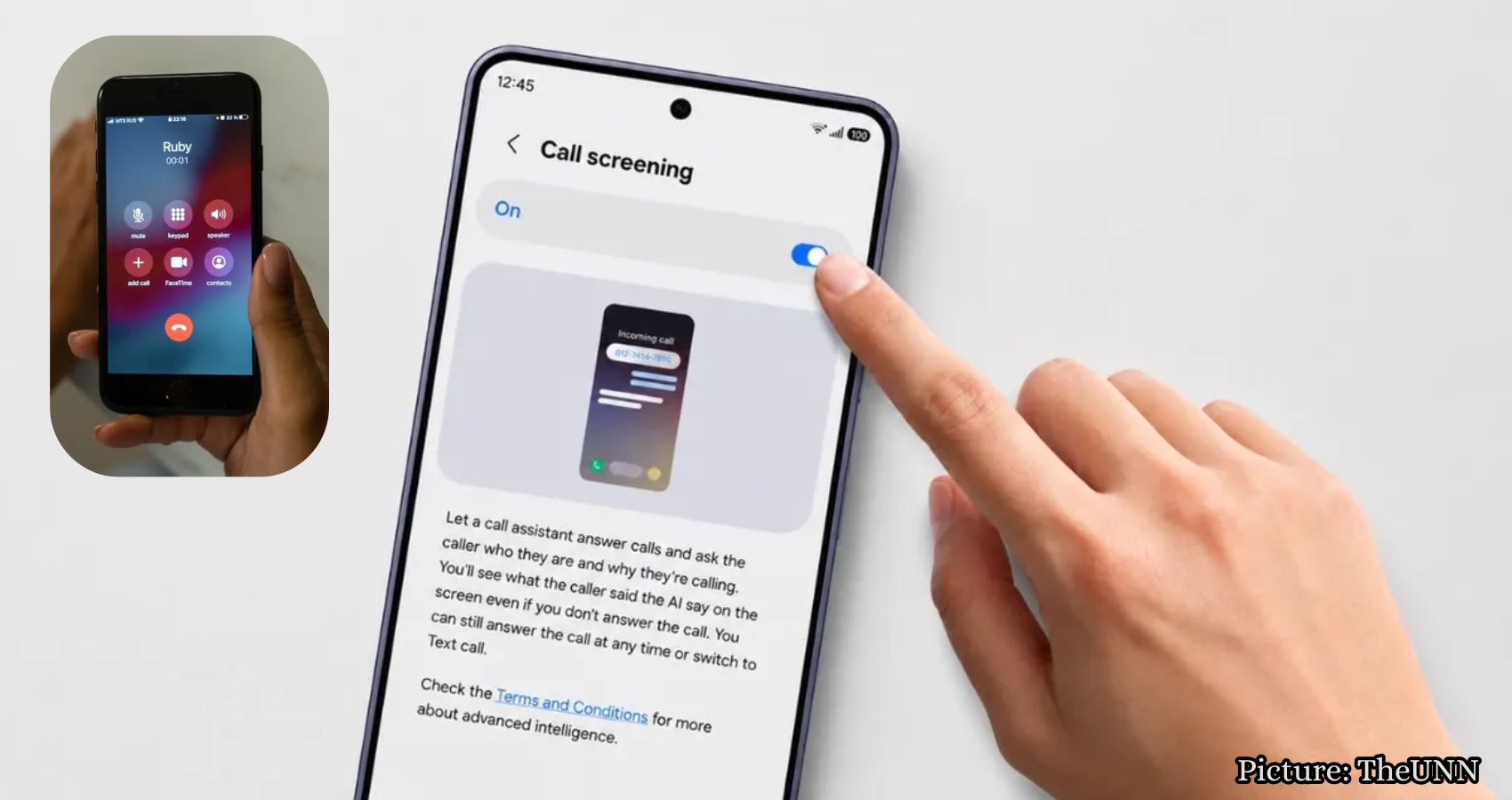
For iPhone users, several features can help manage unknown and suspected spam callers. Enabling call screening allows unknown callers to provide information before the phone rings, while spam filtering can silence and send potential spam calls directly to voicemail. Samsung Galaxy phones also offer similar features, including AI-powered call screening that can transcribe calls in real-time.
Ultimately, individuals should avoid engaging with suspicious callers. While antivirus software will not stop silent voicemails, it is essential for protecting devices from potential follow-up scams that may occur via text messages or emails. Strong antivirus protection can help detect phishing attempts and malicious websites, adding an extra layer of security.
For those receiving illegal robocalls, the FTC encourages reporting them at DoNotCall.gov. Providing detailed reports can assist regulators in identifying calling patterns and support enforcement efforts. Although the National Do Not Call Registry can help reduce unwanted sales calls, it does not physically block calls and will not stop scammers making illegal calls.
Receiving silent voicemails can be unsettling, especially when they come from different numbers. While ringless voicemail technology exists, other factors such as call screening and carrier spam filtering can also result in these messages. The key takeaway is to avoid returning calls from unknown numbers and to utilize available spam controls to mitigate unwanted communications. For Mike, the ongoing issue of rotating numbers and blank messages suggests automated spam activity, but there is no evidence to suggest his phone has been compromised. For further insights, listeners can tune into The CyberGuy Report podcast.
Have you ever found a voicemail on your phone without hearing it ring? Share your experiences with us at Cyberguy.com.
Copyright 2026 CyberGuy.com. All rights reserved.