
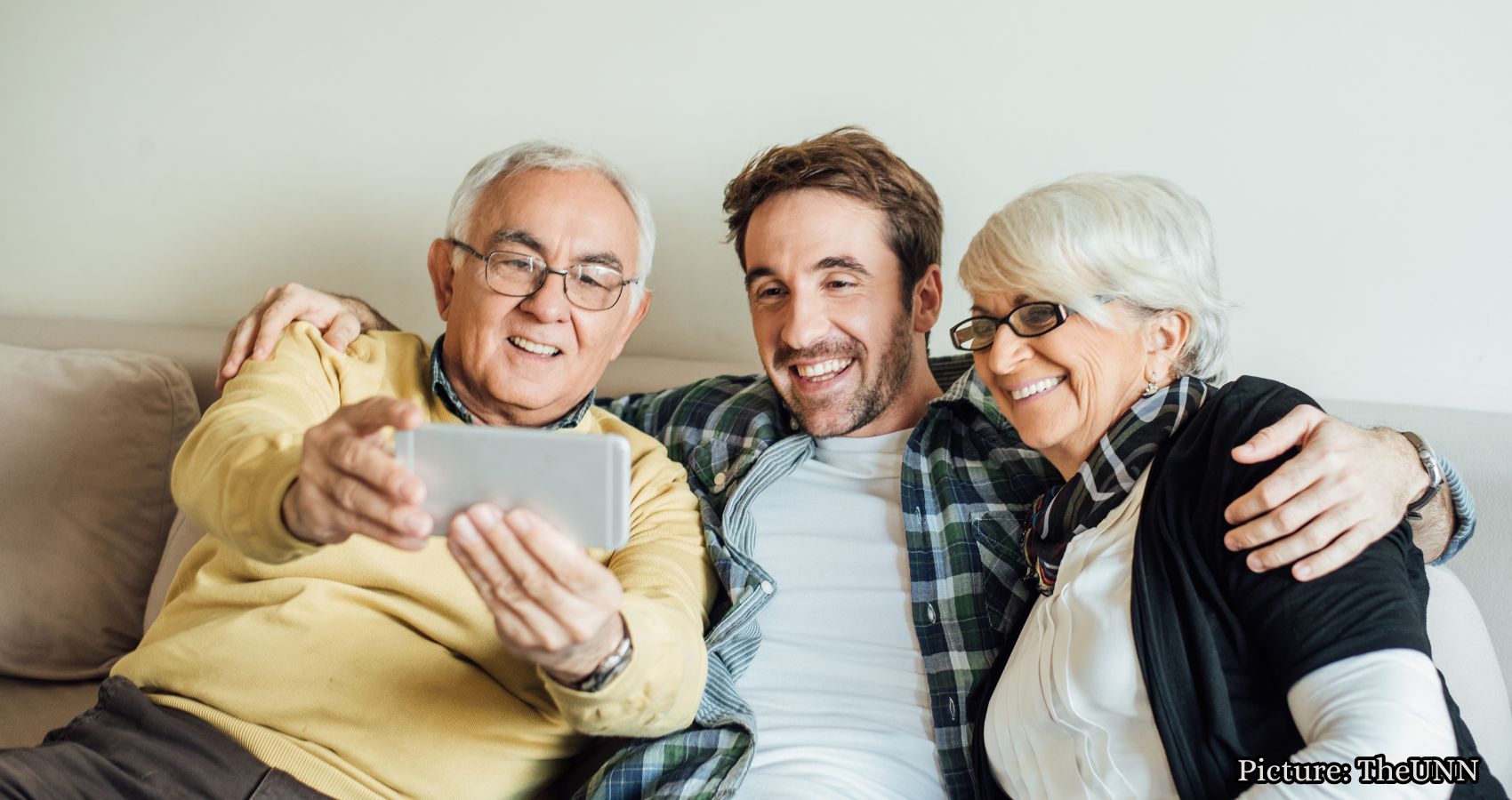
The family group chat, while a source of connection, has become a target for scammers who exploit shared information to impersonate loved ones and commit fraud.
Family group chats are often filled with harmless messages—photos from vacations, updates on appointments, or reminders about family events. However, these seemingly innocent exchanges can provide scammers with the information they need to impersonate someone you love.
Criminals often gather personal details from data broker sites such as Spokeo and Whitepages, which can reveal names, addresses, and phone numbers. Once they have this foundational information, they can use updates from family group chats to create convincing narratives that exploit the trust between family members.
For instance, if you mention that you recently returned from a trip to Florida, a scammer could use that detail to craft a believable story about needing help while you were away. Similarly, if a family member shares that a grandchild is traveling abroad, a scammer could impersonate that grandchild and fabricate a crisis requiring immediate financial assistance.
The FBI has highlighted the dangers of such scams, particularly targeting older adults. In 2025, Americans aged 60 and older reported losses totaling $7.7 billion due to fraud, with a staggering 72% of elder fraud cases linked to personal data available online. This data often comes from social media and family interactions, making it easier for scammers to create tailored schemes.
One alarming case involved an 86-year-old woman named Joyce, who received a call from someone impersonating her grandson, Grant. The caller knew specific details about him, including his appearance and occupation, making the scam all the more convincing. Similarly, Gary Schildhorn testified to the U.S. Senate Aging Committee about a call from a voice that sounded exactly like his son’s, asking for nearly $9,000 in bail money. It was later revealed that the voice had been cloned using AI technology.
Security experts warn that scammers can easily replicate someone’s voice with just a short audio clip, which is often shared in family group chats. In August 2025, federal prosecutors charged 13 individuals in a scheme that defrauded over 400 victims, primarily elderly individuals, of more than $5 million across five states.
Scammers may also take over family group chats directly. A common tactic involves sending a message claiming that a verification code was mistakenly sent to the recipient. If the recipient forwards this code, the scammer can gain access to their account and impersonate them within the chat, further complicating the situation.
To protect against these threats, it is crucial to implement a few security measures. Enabling two-step verification on all messaging and social media accounts can provide an additional layer of protection. This feature requires a second form of identification, such as a code sent to your phone, before granting access to your account.
Additionally, families should establish a rule that no one forwards verification codes received via text or email. Legitimate platforms will never ask users to share these codes with others. If a family member requests a code, it is essential to verify their identity by calling them directly using a known phone number.
Creating a family codeword can also enhance security. Before sending money or responding to an emergency request, family members should ask for this codeword, ensuring that they are communicating with the actual person and not a scammer.
Another precaution is to delay sharing travel updates on social media until after returning home. Posting real-time updates can alert scammers to the fact that your home is unoccupied, providing them with an opportunity to exploit that information.
Reviewing privacy settings on messaging platforms is also advisable. For example, on WhatsApp, users can restrict who sees their profile photo and last seen status, while similar settings are available on Facebook and Instagram.
Using a password manager to create unique, strong passwords for each account can further safeguard against unauthorized access. Reusing passwords across multiple platforms increases vulnerability, especially if one service experiences a data breach.
While these security measures can help protect personal accounts, they do not eliminate the risk posed by data broker profiles. Individuals can search for their names on sites like Spokeo or Whitepages to see what information is publicly available. Requesting removal from these sites can be a time-consuming process, but it is essential for reducing exposure to potential scams.
In conclusion, while family group chats are a valuable way to stay connected, they can also become a goldmine for scammers. By implementing security measures such as two-step verification, creating family codewords, and being cautious about sharing personal information, families can protect themselves from falling victim to these scams. Regularly checking and managing personal data on broker sites can further reduce the risk of exploitation.
For ongoing assistance, consider using a reputable data removal service to help manage your online presence. Staying vigilant and informed is key to ensuring that the connections you cherish remain safe from those who would seek to exploit them.
For more information on protecting your personal data and avoiding scams, visit CyberGuy.com.