
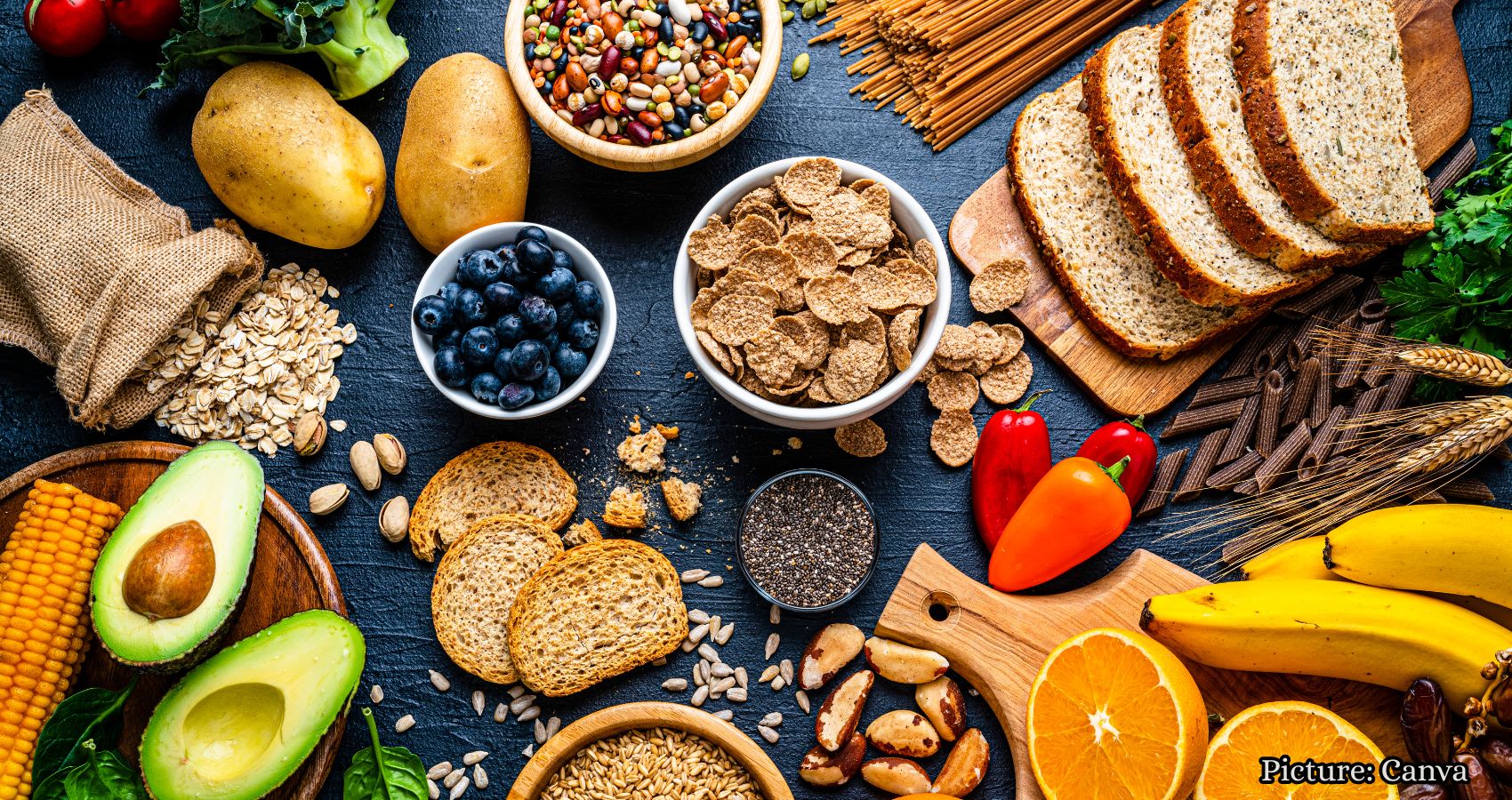
New research suggests that reducing protein intake, rather than calorie restriction, may promote longevity and health benefits for sedentary adults.
A recent scientific review of over 350 studies indicates that protein restriction may offer significant health benefits, potentially leading to a longer life for sedentary adults. This finding challenges the long-held belief that calorie restriction is the primary pathway to improved lifespan and reduced age-related diseases.
Published in the journal Cell Press Blue, the review highlights that many individuals struggle to adhere to strict low-calorie diets. Instead, targeted protein restriction could provide similar metabolic advantages without the need to significantly cut calories.
The studies reviewed found that lower protein intake is linked to enhanced metabolism, altered nutrient signaling, reduced cellular damage, and improved cellular maintenance. A key player in these benefits is a metabolic hormone known as fibroblast growth factor 21 (FGF21). Research indicates that restricting protein intake triggers an increase in FGF21, which has been shown in animal studies to boost energy expenditure, reduce inflammation, improve blood sugar control, and potentially extend lifespan.
Researchers pointed out three essential amino acids—methionine, isoleucine, and valine—that are fundamental components of protein. Under specific conditions, these amino acids may contribute to biological pathways associated with aging. For individuals who do not engage in regular exercise, elevated levels of these amino acids can keep certain growth-related processes perpetually active. Over time, this constant stimulation can lead to cellular damage, systemic inflammation, and weight gain.
Dudley Lamming, the corresponding author of the paper and a researcher at the University of Wisconsin-Madison, emphasized the importance of protein for muscle growth and exercise response in active individuals. “It’s absolutely crystal-clear that there are benefits of protein for muscle growth and exercise response of active individuals,” he stated. However, he noted that for the majority of the population, which is relatively sedentary, excessive protein consumption may have negative health consequences.
While the review presents compelling evidence, the researchers acknowledged some limitations. As a scientific review rather than a new clinical trial, it identifies patterns across existing research but does not establish direct cause-and-effect relationships in humans. They also emphasized the need for longer-term human studies to determine whether the metabolic benefits observed ultimately translate into increased lifespan.
The findings suggest that protein requirements are not uniform for everyone. The researchers caution against interpreting the results as a recommendation to consume insufficient amounts of protein. Physically active individuals and athletes process protein differently, as exercise helps direct dietary amino acids toward muscle building and repair, rather than allowing excess amino acids to be processed by the body.
Moreover, high protein intake remains crucial for pregnant women and older adults who may be at risk for age-related muscle loss. For the broader, largely inactive population, the review suggests that public health guidelines should shift away from blanket recommendations and instead tailor protein intake targets based on age and activity level.
According to Cell Press Blue, these insights could reshape dietary recommendations and encourage a more individualized approach to nutrition, particularly for those seeking to enhance their health and longevity.