
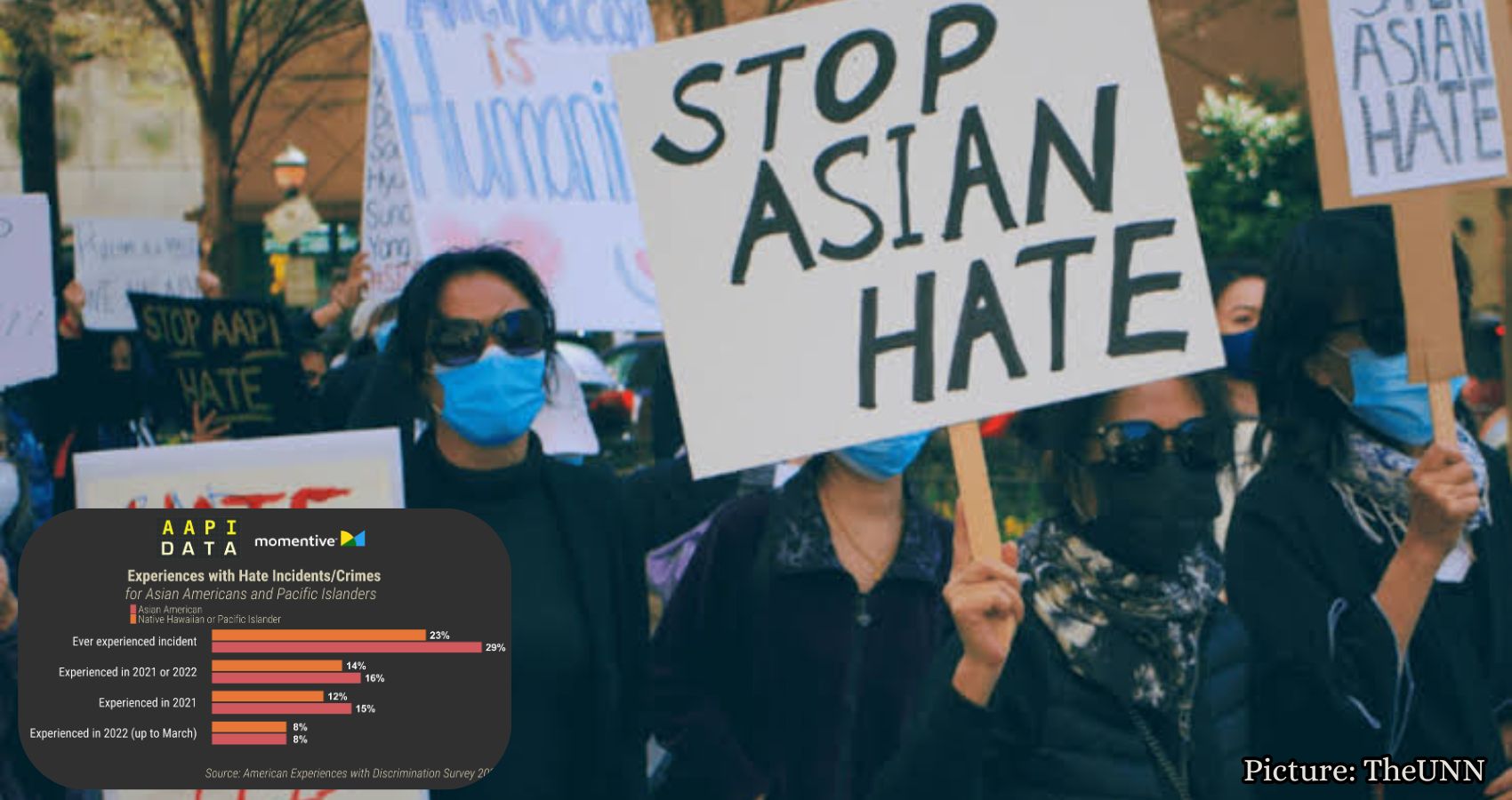
Manjusha Kulkarni of Stop AAPI Hate emphasizes the need for community resilience and informed action against discrimination during a recent Chai & Chat discussion.
In early 2020, before the first COVID-19 case was reported in Southern California, a 12-year-old boy experienced a harrowing incident on his school playground. A classmate accused him of being a “coronavirus carrier” and told him to “go back to China.” When the boy defended himself by stating he wasn’t Chinese, he was brutally attacked, receiving punches to the face and head.
This disturbing story, shared by Manjusha Kulkarni, serves as a poignant reminder that racism can be “more virulent than the disease itself.” It highlights that hate is not merely a reaction to crises but a pre-existing social contagion that exploits current anxieties to target vulnerable communities. Kulkarni, the Executive Director of AAPI Equity Alliance and co-founder of Stop AAPI Hate, recently participated in a Chai & Chat discussion, where she outlined essential strategies for the South Asian community to transition from fear to informed empowerment.
Understanding the “Trifecta of Hate” is crucial for building community resilience. Kulkarni explained that hate is rarely an isolated incident; rather, it is a systemic issue. South Asians often find themselves in a unique position where economic anxieties drive discrimination. While East Asian communities are frequently scapegoated due to “national security” concerns, the Indian diaspora faces increasing hostility linked to fears of job loss and economic instability.
The “Trifecta of Hate” comprises three interconnected elements: interpersonal acts, racist rhetoric, and xenophobic policies. Interpersonal acts involve direct encounters, such as verbal harassment and hate incidents, which, while statistically less frequent than physical violence, are pervasive in public spaces like retail stores and parks. Racist rhetoric from public figures legitimizes private biases, allowing individuals to act on these prejudices in everyday life. For instance, derogatory comments about India can embolden harmful behavior. Lastly, xenophobic policies create systemic barriers that institutionalize exclusion, exemplified by hefty fees imposed on new H1B candidates and the detention of community members, including those with legal status.
Kulkarni also addressed the evolving nature of racial slurs, noting that terms like “Jeet” and “Pajeet” have emerged, often weaponizing pop culture to demean South Asian youth. She urged parents to go beyond passive advice and actively explain that bullying stems from societal prejudices related to skin color or immigrant status, rather than reflecting their children’s character. Schools, too, must be held accountable. Kulkarni recounted her own experience advocating for a school assembly to address discrimination after her daughter faced bias, transforming a painful moment into a valuable learning opportunity for the entire student body.
Another key point discussed was the importance of tactical allyship and safe bystander intervention. Kulkarni emphasized that when witnessing acts of hate, the priority should be the safety and dignity of the targeted individual. Approaching them with questions like, “How can I help?” or “What do you need?” can provide crucial support. If confronting the harasser is unsafe, it is advisable to alert an authority figure, such as a store manager, to de-escalate the situation without putting oneself or the victim at further risk. It is essential to respect the survivor’s autonomy regarding how they wish to respond to the incident.
Reporting systems and community resources play a vital role in combating hate. Kulkarni highlighted that data collection is a powerful tool for advocacy, enabling community organizations and state agencies to push for systemic change. Resources like Stop AAPI Hate serve as central hubs for tracking anti-Asian and anti-South Asian hate incidents, while programs like California Versus Hate and LA Versus Hate connect victims with legal and mental health support.
Despite the rising tide of hate rhetoric, there is a significant reason for optimism. The South Asian community in the U.S. has reached a critical mass, representing a substantial reservoir of power and influence. Kulkarni noted a historic shift in civic engagement, with over 300 South Asian candidates now running for office, compared to just 30 a decade ago. The launch of Stop AAPI Hate Action (C4) marks a new era of mobilization, allowing the community to engage directly with the electoral process. Kulkarni emphasized that the safety of the community is intrinsically linked to the health of democracy.
“We can’t stop hate until and unless we stop authoritarianism. Participating in our democracy and ensuring free and fair elections is crucial to combating hate,” Kulkarni stated during the discussion.
India Currents hosts the Chai & Chat show monthly, featuring experts on pressing topics shaped by audience questions. For more information, visit their website.
This article was edited with the assistance of an AI tool and has been reviewed for accuracy and clarity by India Currents.