
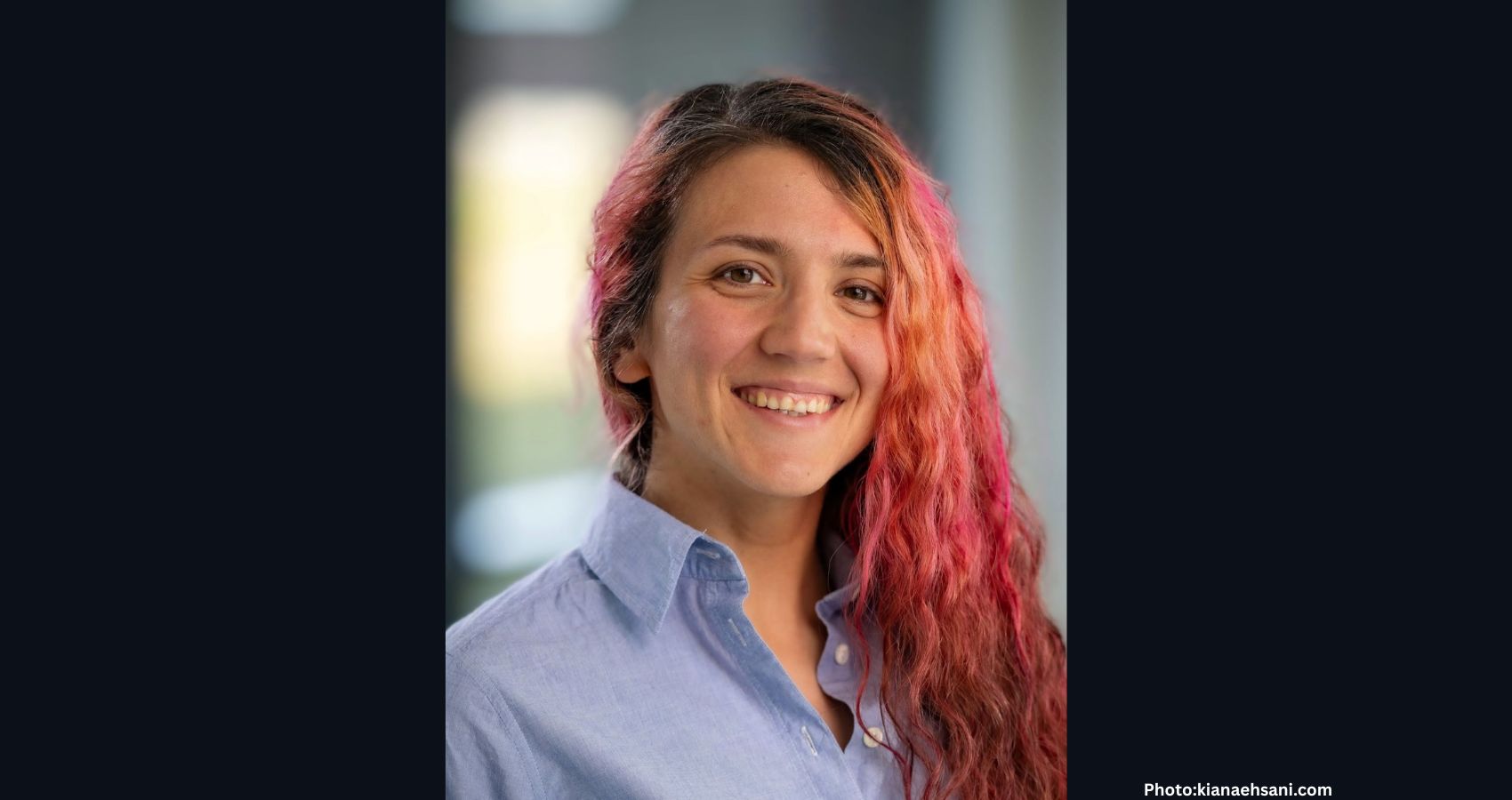
Iranian American entrepreneur Kiana Ehsani shares her heart-wrenching experience of canceling her wedding due to the ongoing conflict in Iran and the growing fears surrounding immigration for Iranians in the U.S.
Iranian American entrepreneur and AI executive Kiana Ehsani recently opened up about the profound impact of the ongoing conflict in Iran on her personal life. In a candid post on X, she shared the heartbreak of canceling her wedding, losing contact with family members in Iran, and grappling with uncertainty over immigration policies in the United States.
Ehsani, who currently works at Anthropic and previously co-founded Vercept, had planned to travel to Türkiye for her wedding celebration. This event was particularly significant as it would have marked the first meeting between her family from Iran and her partner’s family. However, the escalating conflict forced her to call off the wedding.
In her emotional post, Ehsani described the meticulous planning that went into her wedding, which was set to take place on a boat in the Mediterranean Sea at sunset. She expressed her disappointment, stating, “Today I was supposed to be on my way to Türkiye for my wedding, to meet up with my family and have them finally meet my partner and husband. We had everything planned. We chose Türkiye since it’s close to Iran and my partner and I could both go there and have our families meet each other. Because of the war, all flights to and from Iran are cancelled and my family can’t leave Iran, so we had to call off the wedding.”
Ehsani’s post highlighted the broader implications of geopolitical tensions and travel restrictions on Iranian families worldwide. Instead of preparing for her wedding, she spent the day grappling with the emotional toll of being unable to communicate with her family back home. One of the most painful aspects of this situation has been the loss of regular contact with her grandmother, as communication channels into Iran have been severely restricted.
“I woke up to a reminder to call my grandma (I used to call her every Friday morning). I snoozed the reminder until next Friday, just like I have done for the past many years. I can’t call her like our tradition these days because there is no way to call home. All international calls to Iran are blocked, and the internet is fully shut down by the regime,” she lamented.
In addition to the personal turmoil surrounding her wedding, Ehsani reflected on her immigration journey in the United States. After spending over a decade in America and five years as a green card holder, she recently became eligible to apply for U.S. citizenship. However, recent executive actions targeting Iranians have left her feeling uncertain about her future.
“I got to work and right as I opened my computer I received an email I had scheduled to send to myself five years ago: ‘Apply for citizenship.’ This summer marks 11 years of being in the U.S. and five years of being a green card holder. I am now eligible to file for citizenship, but it doesn’t matter because an executive order was signed a few months ago that banned all Iranians from applying for any visa or citizenship,” Ehsani explained.
Her comments also shed light on the growing anxiety among temporary visa holders in the United States, particularly in light of recent discussions around changes to green card processing rules. Ehsani noted that many Iranians fear that leaving the U.S. during the application process could result in being unable to return for extended periods due to visa backlogs and travel restrictions.
“At lunch I opened Twitter just to see what’s up in the world and saw the news that those who don’t have a green card now need to leave the U.S. before they can get one. This means every one of my Iranian friends who are here on a visa now has to go back home (on which flight?) to get a green card??? As if it’s that easy? We all know getting back to the U.S. for Iranians is a huge challenge—months and months of waiting for a visa, with a chance of never being able to come back,” she said.
As her post continued, Ehsani moved beyond policy discussions to address the emotional exhaustion many Iranians in the diaspora are silently enduring while trying to maintain normal lives abroad. She mentioned that work has become one of the few distractions helping her cope with the relentless fear and uncertainty surrounding her loved ones.
“And this is just a normal Friday for an Iranian. These days, when people ask how I’m doing and how I’m handling everything, I just say: ‘It’s okay, it’s okay. It will be okay someday.’ But the reality is: nothing is okay. I’m in constant pain. I haven’t seen my family and loved ones in years, I barely hear about their wellbeing, and I’m constantly worried about them. I’m just burying myself in work because that’s the only distraction that can save me from losing my mind,” she shared.
Ehsani concluded her post with a raw admission about the emotional state of many Iranians currently navigating the crisis from afar. “I’m not okay. None of us are okay. We are just barely holding it together…”
Her poignant reflections resonate with the experiences of many Iranians facing similar challenges, highlighting the profound impact of geopolitical events on personal lives and the ongoing struggles of the Iranian diaspora.
According to The American Bazaar, Ehsani’s story underscores the emotional and practical challenges faced by Iranians in the U.S. amid the ongoing conflict in their homeland.