
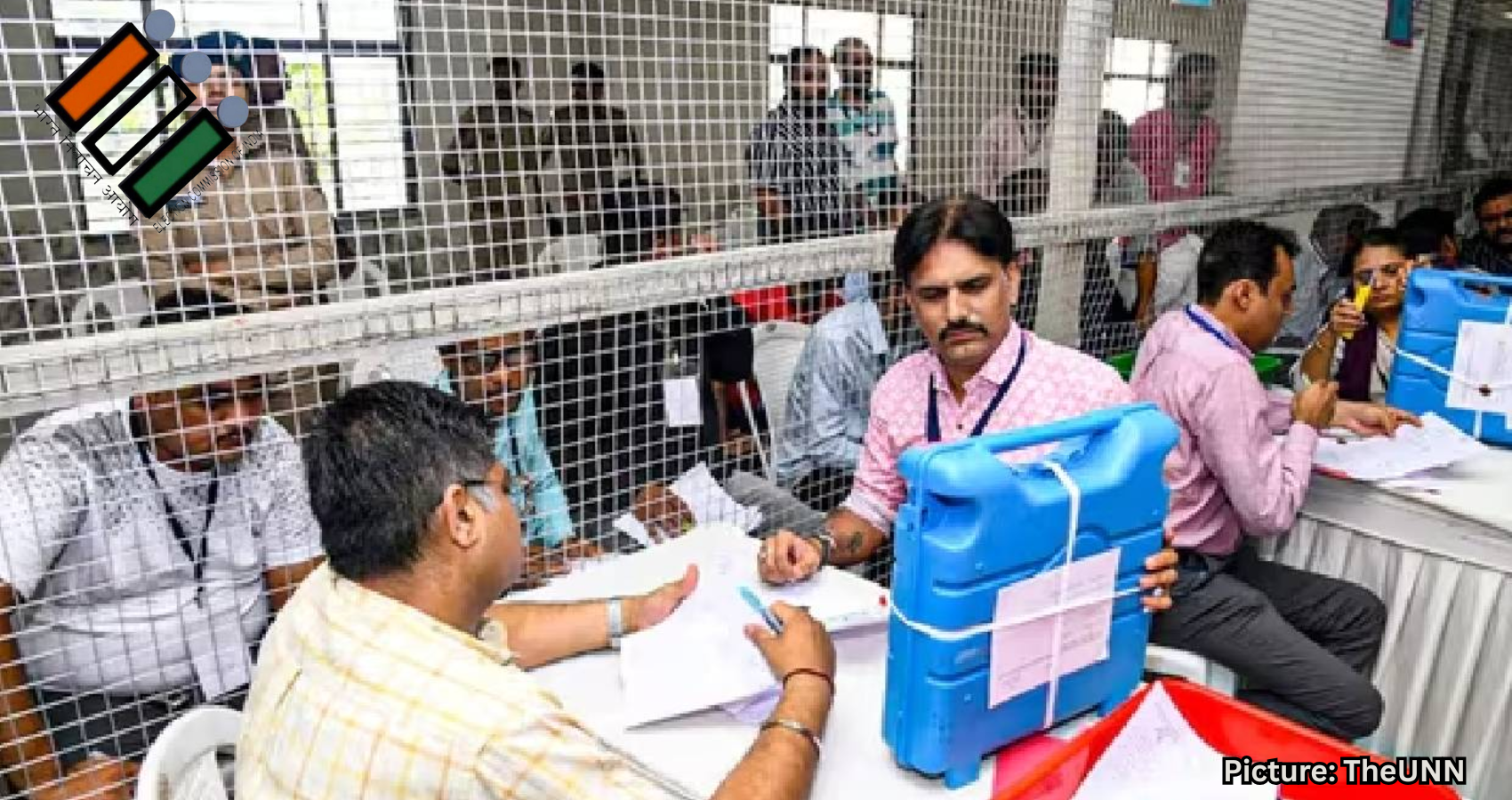
Vote counting for the Gujarat local body elections has commenced, with the Bharatiya Janata Party (BJP) showing a significant early lead across various civic bodies in the state.
Vote counting for the Gujarat Local Body Elections 2026 began on April 28, following polling that took place on April 26. This election cycle included multiple urban and rural institutions, encompassing 260 taluka panchayats.
According to the Gujarat State Election Commission, the voter turnout for district and taluka panchayats was approximately 61%. Prior to polling, 732 candidates were elected unopposed, with 252 of those belonging to taluka panchayats.
Voter participation varied across different civic bodies. Municipal corporations recorded a turnout of 55.1%, while municipalities saw 65.53%. District panchayats had a turnout of 66.64%, and taluka panchayats achieved the highest participation at 67.26%.
The scale of the elections was substantial, with nearly 9,200 seats contested across 15 municipal corporations, 84 municipalities, 34 district panchayats, and 260 taluka panchayats. More than 4.18 crore voters were eligible to participate, marking a significant democratic exercise in the state.
Initial counting trends available until around 11 a.m. indicated that the Bharatiya Janata Party (BJP) was taking a commanding lead across both urban and rural local bodies.
In municipal corporations, the BJP has won 51 seats so far, including 41 that were uncontested. In municipalities (Nagarpalikas), the BJP is leading with 428 seats, while the Congress party has secured 25 seats and other parties have claimed 7. For district panchayats, the BJP has obtained 64 seats, with Congress winning just 1 seat and no seats going to other parties. In taluka panchayats, the BJP is ahead with 357 seats, while Congress has 24 and others have 14.
The elections for taluka panchayats are part of a three-tier rural governance system in India, which includes Gram, Taluka, and District levels. These elections have seen a higher voter turnout, approximately 67%, compared to urban bodies, reflecting strong engagement from rural voters.
Thousands of candidates contested across the talukas, making this one of the largest grassroots elections in the country. The Gujarat Election 2026 featured a wide network of taluka panchayats across all districts, emphasizing robust rural participation. The electoral system is organized district-wise and multi-seat, covering 260 taluka panchayat constituencies statewide.
The counting process is ongoing, and final results are anticipated to provide a clearer understanding of voter sentiment ahead of the upcoming Assembly elections next year. Current trends suggest a strong performance by the BJP across Gujarat’s local bodies, both in urban centers and rural areas.
According to The Sunday Guardian, the results from this election cycle will be closely monitored as they may influence the political landscape in Gujarat leading up to the Assembly elections.