
The U.S. Supreme Court is hearing arguments regarding President Trump’s executive order to end birthright citizenship, with advocates warning of significant legal and social implications.
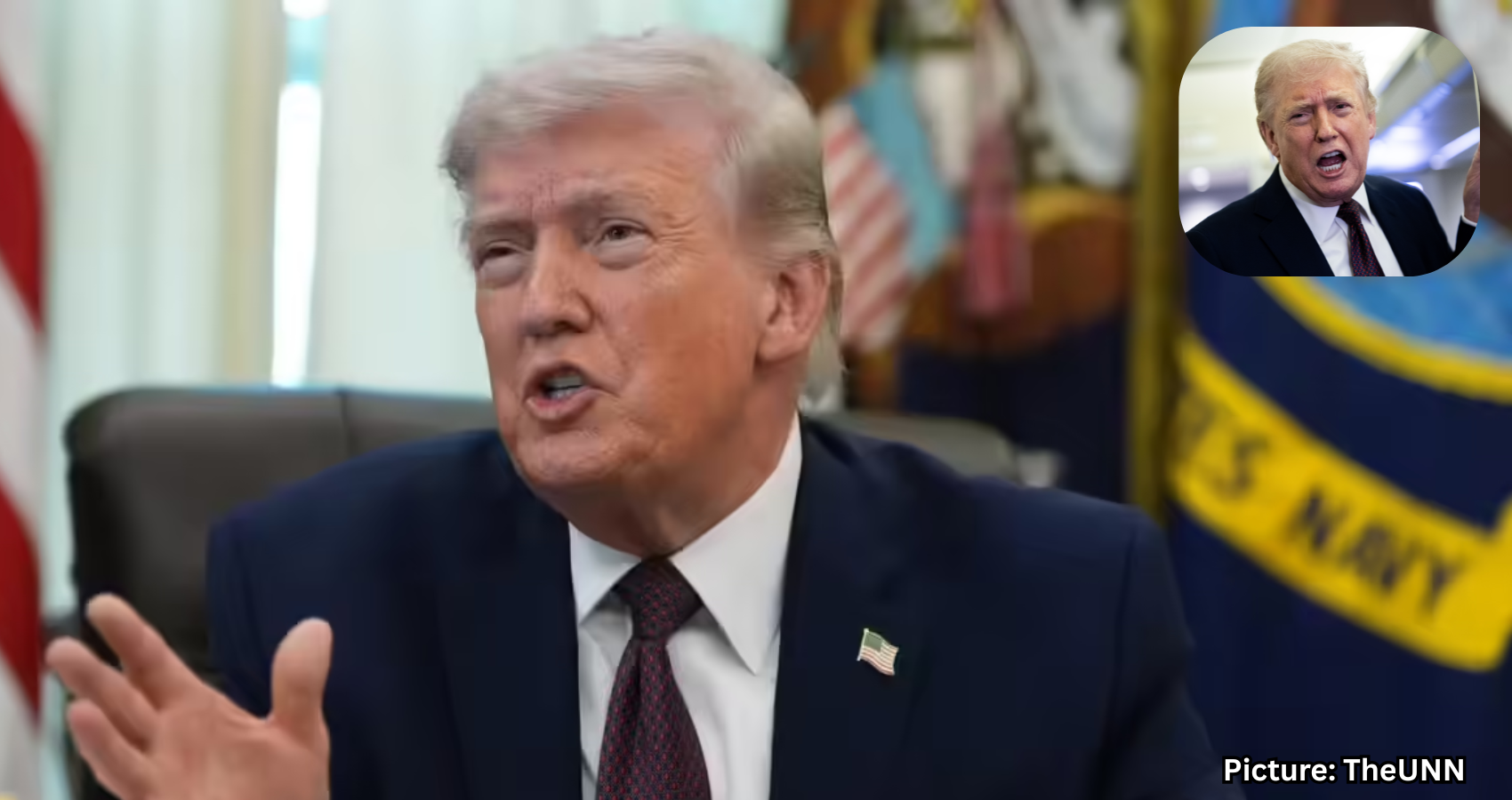
WASHINGTON, DC – On April 1, the U.S. Supreme Court convened to hear arguments in a high-profile challenge to President Donald Trump’s executive order aimed at ending birthright citizenship. Trump himself attended the proceedings, which were ongoing at the time of this report.
The case revolves around Trump’s efforts to reinterpret the 14th Amendment, a provision that has historically guaranteed automatic citizenship to nearly all children born on U.S. soil, regardless of their parents’ immigration status.
In his remarks, Trump has framed his argument in historical context, asserting that the amendment was originally intended to protect the children of enslaved individuals. He characterized the current birthright citizenship system as fundamentally flawed, stating, “We’re getting all of these people… saying, congratulations, your whole family is going to be a citizen of the United States of America.”
Trump also criticized the judiciary, claiming that judges appointed by Democratic presidents are biased against him. “You can have the greatest case ever… they’re going to rule against you,” he said, contrasting this with Republican-appointed judges, who he suggested are more likely to rule impartially.
The administration’s proposed order would deny citizenship to children born in the United States after February 19, 2025, if neither parent is a U.S. citizen or lawful permanent resident. Lower courts have previously blocked this policy, leading to the Supreme Court’s review.
Opponents of the executive order argue that the Constitution’s language is clear and unambiguous. In a recent opinion column for the New York Times, author and television host Padma Lakshmi described birthright citizenship as “a centuries-old tradition” and “a constitutional safeguard that has shaped America for generations.”
Lakshmi emphasized that this principle provides certainty, which encourages individuals to invest in their communities and innovate, ultimately contributing to what is distinctly American culture. She noted that the concept of birthright citizenship predates the Constitution and was codified after the Civil War to rectify the injustices highlighted by the Dred Scott decision.
“At stake is more than a legal case — birthright citizenship gets at the heart of American values and culture,” Lakshmi wrote, arguing that the current administration is misrepresenting it as a loophole rather than a foundational guarantee. She warned that abolishing this policy could lead to “a mess of legal and logistical consequences,” potentially placing “hundreds of thousands of children… into legal limbo every year” and creating “a permanent underclass of people born in the country but cut off from the rights that citizenship provides.”
Drawing from her experiences within immigrant communities, Lakshmi connected birthright citizenship to the broader evolution of American culture. “America is interesting and strong because of the contributions of immigrants and their children,” she stated, adding that the guarantee of citizenship fosters a sense of belonging and encourages civic participation.
Advocacy groups have echoed these concerns. The Indian American Impact organization described the executive order as “a direct and dangerous assault on the Constitution,” warning that it would disproportionately impact South Asian families.
Executive Director Chintan Patel expressed hope that the Supreme Court would uphold established legal precedents. He pointed out that existing immigration backlogs have left over one million Indian nationals waiting for green cards, often for decades.
“As a result, many children in our community are born in the United States while their parents are still waiting for permanent residency,” Patel explained. “This executive order would strip those children of the citizenship they have always been guaranteed, placing them at risk of legal limbo despite being born on U.S. soil.”
The organization cautioned that ending birthright citizenship would not only disrupt families but also destabilize entire communities, particularly as many individuals may never receive permanent residency due to systemic delays.
As the Supreme Court deliberates on this significant issue, the implications of their ruling could resonate across the nation, affecting countless families and shaping the future of immigration policy in the United States.
According to India-West, the outcome of this case could redefine the legal landscape surrounding citizenship and immigration for years to come.