
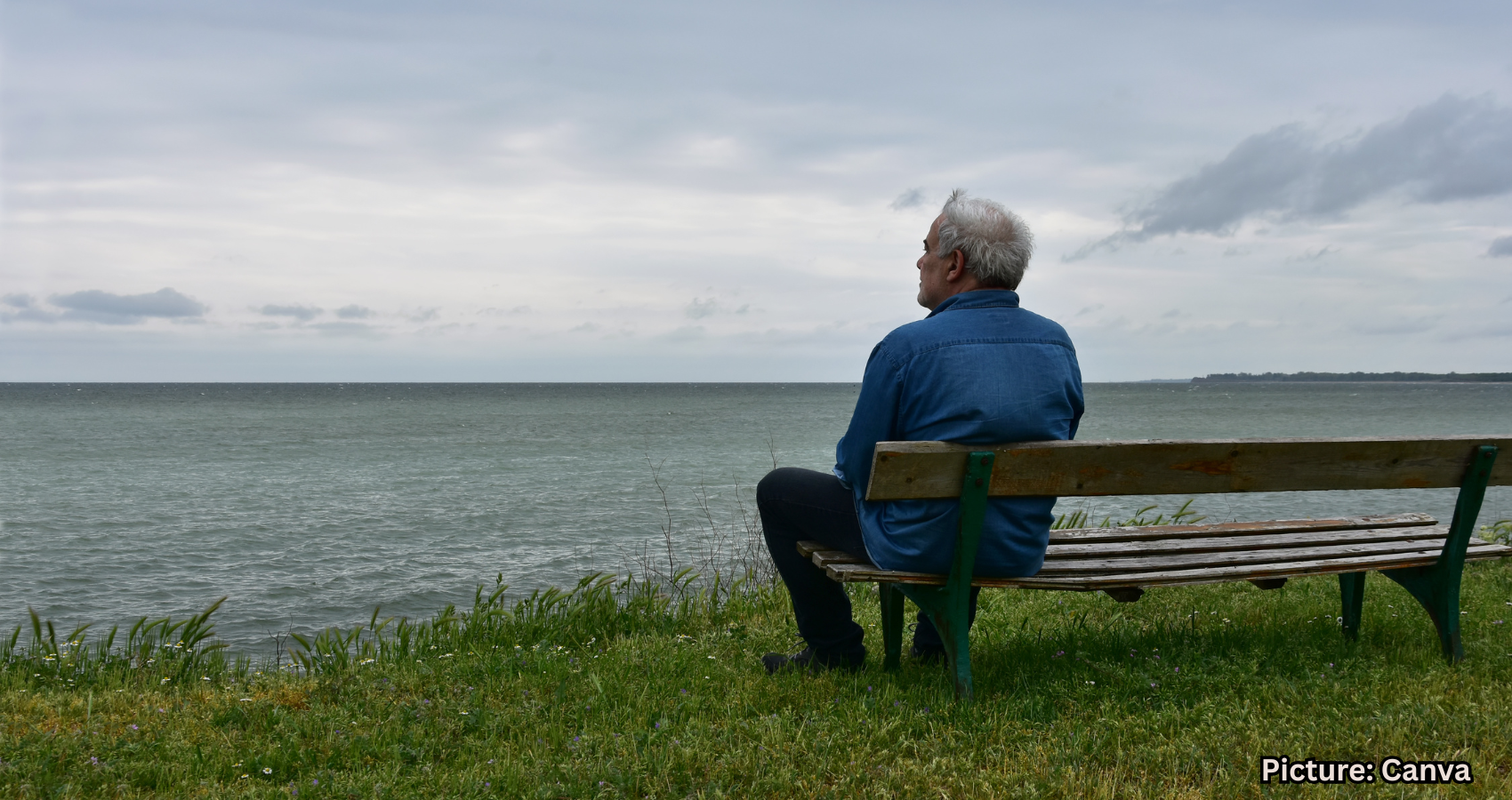
Many retirees find peace and fulfillment in solitude, embracing habits that transform their alone time into a sanctuary for personal growth and creativity.
In today’s fast-paced world, where hustle culture and hyper-connectivity dominate, solitude is often misconstrued as loneliness and isolation. However, for many retirees, solitude serves as a sanctuary—a space where they discover peace, creativity, and fulfillment. This perspective challenges the conventional view that retirement leads to social withdrawal and irrelevance. Instead, it underscores a powerful counter-narrative: solitude can be a profoundly enriching experience, offering opportunities for personal growth and reflection.
The transition from a busy work life to the quieter rhythms of retirement can be jarring. Yet, those who navigate this shift successfully often cultivate habits that transform solitude into a source of strength. One such habit is mindfulness. Many retirees who embrace solitude engage in daily mindfulness practices, such as meditation or yoga, which help them remain present and appreciate the quiet moments of life. This practice not only alleviates stress but also enhances their ability to enjoy their own company.
Another prevalent habit among retirees is the pursuit of lifelong learning. With more time available, many take up new hobbies or revisit old passions. Whether it’s learning a new language, painting, or exploring gardening, these activities provide a sense of purpose and accomplishment. They also offer essential mental stimulation, which is crucial for maintaining cognitive health as one ages.
Physical activity is another cornerstone of a fulfilling solitary life. Regular exercise—whether through walking, swimming, or cycling—not only keeps the body healthy but also boosts mood and energy levels. Exercise can serve as a solitary pursuit that allows for reflection and self-discovery, or it can be a social activity when done in groups, providing a balanced approach to solitude.
Retirees who thrive in solitude often develop a deep appreciation for nature. Spending time outdoors, whether in a local park or a backyard garden, helps them connect with the world in a meaningful way. Nature has a calming effect and offers perspective, reminding individuals of the beauty and complexity of life beyond their immediate concerns.
Moreover, maintaining social connections—albeit in a more selective and intentional manner—is vital. Solitude does not equate to complete isolation. Retirees at peace with being alone often have a small circle of friends or family with whom they maintain regular contact. These interactions are meaningful and fulfilling, providing emotional support and a sense of belonging.
Creativity also plays a significant role in enriching solitary time. Whether through writing, music, or art, creative expression allows retirees to explore their inner worlds and communicate their thoughts and feelings. This form of self-expression can be incredibly therapeutic and rewarding.
Lastly, a sense of gratitude often permeates the lives of those who embrace solitude. By focusing on the positives in their lives and appreciating small joys, retirees can cultivate a positive mindset that enhances their overall well-being.
In essence, the art of being alone without being lonely involves embracing solitude as an opportunity for self-discovery and growth. It requires a shift in mindset, viewing solitude not as an absence but as a presence—a space for personal enrichment and peace. As society continues to confront the challenges of an aging population, insights from retirees who have mastered the art of solitude offer valuable lessons in living a fulfilling life, regardless of age or circumstance.
According to GlobalNetNews, these habits can significantly enhance the quality of life for retirees, allowing them to thrive in their solitude.