
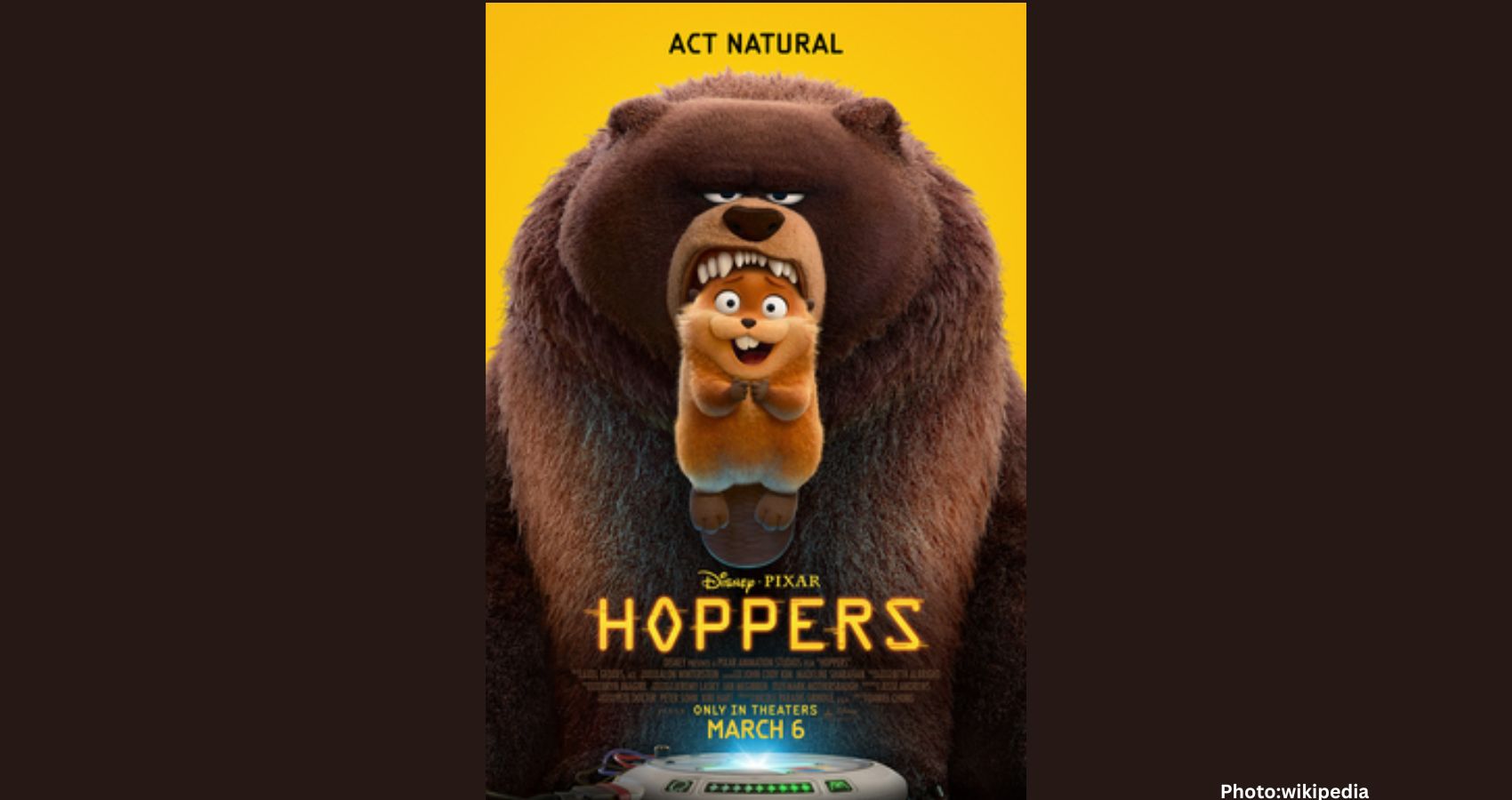
Pixar’s ‘Hoppers’ transcends its children’s movie label, sparking vital conversations about environmental threats and the consequences of human expansion on nature.
Pixar films have long been a gateway for children into vibrant worlds filled with adventure and imagination. The studio’s latest release, Hoppers, initially appears to fit this mold, following a spirited 19-year-old who infiltrates the animal kingdom by taking on the form of a robotic beaver. This imaginative premise captures the curiosity of young viewers, drawing them into a colorful narrative.
However, a closer examination reveals that Hoppers offers much more than mere entertainment. Beneath its humor and fantasy lies a poignant message about environmental conservation. Central to the story is a struggle to save a local glade from destruction at the hands of the town’s mayor, a plotline that resonates with current environmental issues.
The film’s depictions of rapidly spreading wildfires, collapsing habitats, and the growing discord between the animal and human worlds do not feel like exaggerated fiction. Instead, they reflect the environmental crises that are unfolding globally today. The narrative subtly echoes concerns about the environmental costs associated with technological advancements, particularly artificial intelligence.
Throughout Hoppers, human-built structures increasingly encroach upon forests and natural habitats, forcing animals into marginal spaces that were once their homes. This shrinking wilderness leaves these creatures struggling to survive without the ecosystems that have sustained them for generations.
A striking twist in the film imagines an animal inhabiting a robotic, human-like body to confront those responsible for its home’s destruction. While this concept may be fictional, it raises a pressing question: what occurs when nature, pushed to the brink by human expansion, finds a way to challenge those who have displaced it?
This theme gains even more significance when viewed against the backdrop of the rapid expansion of artificial intelligence infrastructure. The massive data centers that power modern AI systems consume vast amounts of electricity and water to keep servers operational and cool.
Researchers estimate that AI-driven data centers could produce between 32.6 million and 79.7 million tons of carbon emissions annually, a figure comparable to the yearly emissions of a major city like New York. Additionally, these facilities are projected to account for roughly 1 to 2 percent of the world’s electricity consumption, a percentage expected to rise sharply as AI systems become more powerful and widespread. Environmental advocates caution that while artificial intelligence holds the promise of efficiency and innovation, its infrastructure could exacerbate existing environmental stresses if sustainability is not prioritized.
Amidst this backdrop, a line from the film resonates powerfully: “We are all in this together.” This sentiment encapsulates the delicate balance that connects humans, animals, and the natural world. In the relentless pursuit of technological dominance and economic progress, humanity often overlooks the environmental costs of its ambitions. Hoppers serves as a reminder that the equilibrium of our planet cannot be taken for granted.
This message may explain why the film has resonated so deeply with both critics and audiences. With an impressive 97 percent score on Rotten Tomatoes, Hoppers stands out as one of the best-reviewed Pixar films of the decade. Its success lies not only in its engaging storytelling but also in the uncomfortable truths it reflects: the choices humanity makes today regarding forests and man-made constructions will shape the world that future generations inherit.
As discussions surrounding environmental conservation and the impact of technology continue to evolve, Hoppers emerges as a timely and relevant film that encourages viewers of all ages to reflect on their relationship with the natural world.
According to The American Bazaar, the film’s ability to spark these conversations is a testament to its depth and relevance in today’s society.