
Recent aerial images from India’s Chandrayaan 2 orbiter reveal the Apollo 11 and Apollo 12 lunar landing modules more than 50 years after their historic missions.
Photos captured by the Indian Space Research Organization’s moon orbiter, Chandrayaan 2, have provided a stunning look at the Apollo 11 and Apollo 12 landing sites over half a century later. The images, taken in April 2021, were recently shared on Curiosity’s X page, a platform dedicated to space exploration updates.
Curiosity’s post featured the aerial photographs alongside a caption that read, “Image of Apollo 11 and 12 taken by India’s Moon orbiter. Disapproving Moon landing deniers.” The images clearly depict the lunar modules, serving as a reminder of humanity’s monumental achievements in space exploration.
The Apollo 11 mission, which took place on July 20, 1969, marked a historic milestone as Neil Armstrong and Buzz Aldrin became the first men to walk on the lunar surface. Their fellow astronaut, Michael Collins, remained in lunar orbit during their historic excursion. The lunar module, known as Eagle, was left in lunar orbit after it successfully rendezvoused with Collins’ command module the following day, before ultimately returning to the moon’s surface.
Just months later, Apollo 12 followed as NASA’s second crewed mission to land on the moon. On November 19, 1969, astronauts Charles “Pete” Conrad and Alan Bean became the third and fourth men to set foot on the lunar surface. The Apollo program continued its series of missions until December 1972, when astronaut Eugene Cernan became the last person to walk on the moon.
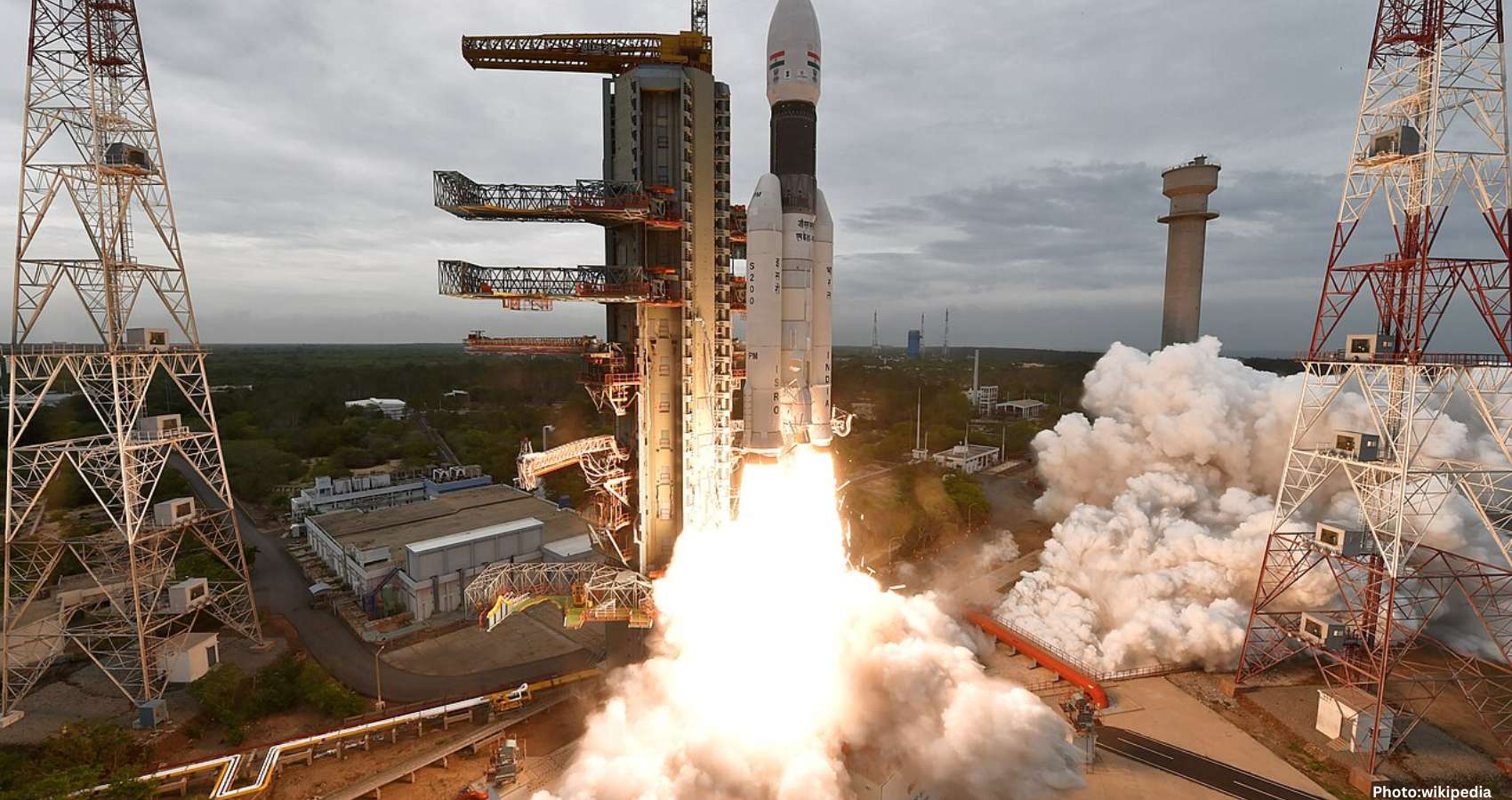
The Chandrayaan-2 mission was launched on July 22, 2019, precisely 50 years after the historic Apollo 11 mission. It was two years later that the orbiter captured the remarkable images of the 1969 lunar landers.
In addition to Chandrayaan-2, India successfully launched Chandrayaan-3 last year, which achieved the significant milestone of being the first mission to land near the moon’s south pole.
These recent images not only highlight the enduring legacy of the Apollo missions but also underscore the advancements in space exploration technology that allow us to revisit and document these historic sites from afar, according to Fox News.