
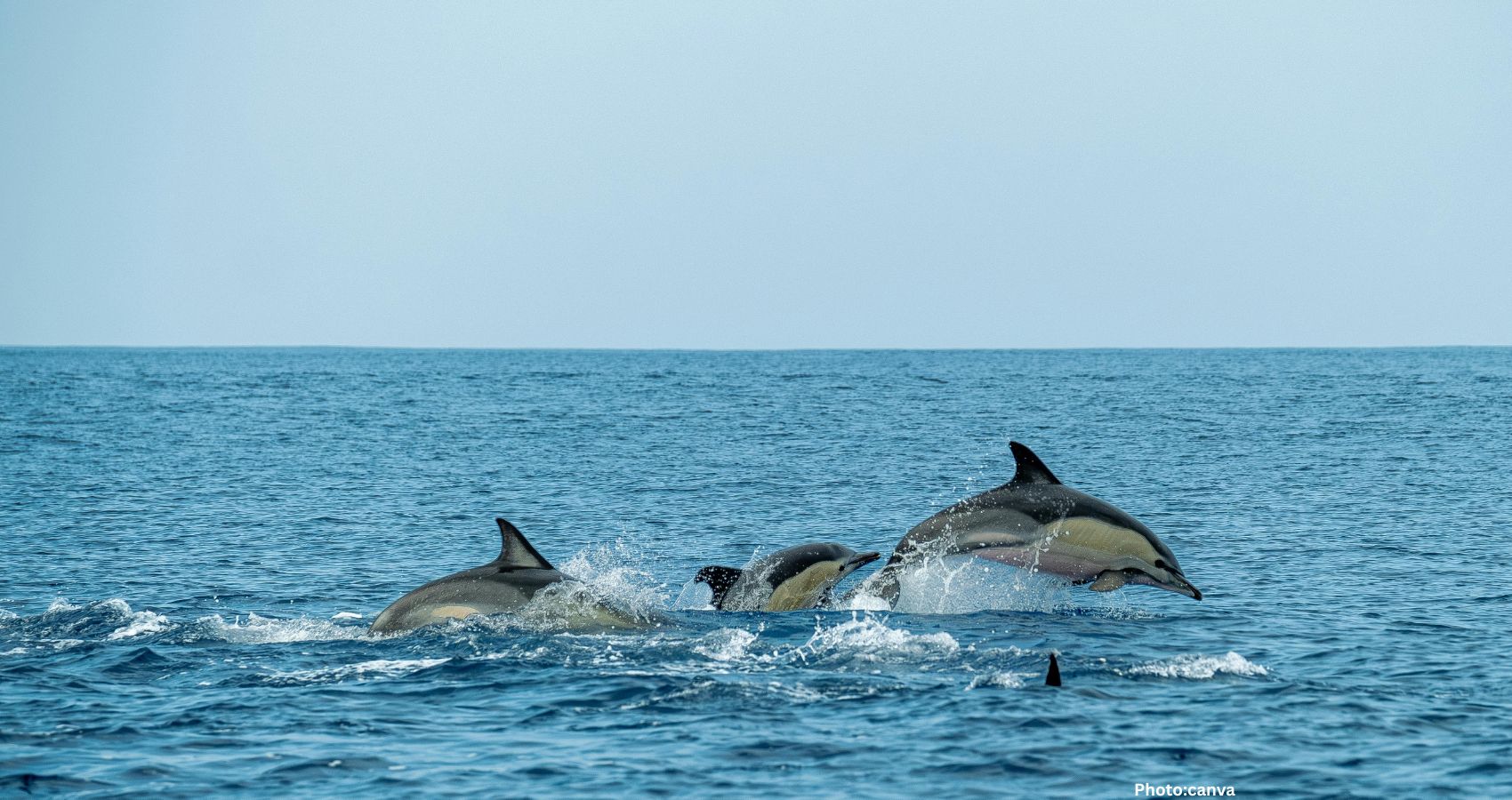
Oceans worldwide have darkened significantly over the past two decades, raising alarms about the potential impacts on marine ecosystems and life, according to a recent study.
Oceans around the globe have experienced a notable darkening over the last two decades, prompting concerns among researchers about the implications for marine life. A study led by Professor Thomas Davies from the University of Plymouth, published in the journal Global Change Biology, highlights the alarming trend observed through satellite data.
Data from NASA’s Ocean Color Web indicates that 21% of the planet’s oceans have darkened between 2003 and 2022. This change poses a significant threat to the marine ecosystem, particularly in the photic zones, where light penetrates sufficiently to support vital photobiological processes.
The photic zone extends to about 200 meters deep and is crucial for sustaining global nutrients and carbon budgets, which in turn support the world’s fish markets. Many marine organisms rely on both moonlight and sunlight for essential activities such as hunting, mating, and reproduction.
As the oceans darken, species that depend on light may be forced to migrate closer to the surface, potentially leading to overcrowding in these vital habitats. This shift could disrupt the delicate balance of marine ecosystems.
Using satellite data and an algorithm to assess light attenuation in seawater, Davies measured the depth of photic zones worldwide. The findings revealed that in areas where the oceans have darkened, 9% of photic zones have become 50 meters shallower, while 3% have decreased by 100 meters.
The reasons behind the darkening of oceans, particularly in offshore areas, remain unclear. However, the study suggests that global warming and changes in ocean currents may play a role in this phenomenon. Despite the overall trend of darkening, approximately 10% of the oceans, or 37 million square kilometers, have actually become lighter over the past two decades.
Interestingly, the study also found that most coastal regions have seen an increase in light. However, this increase does not lead to a net reduction in photic zone depth near shorelines, indicating a complex interplay between various environmental factors.
Davies warns that the consequences of ocean darkening could be severe, affecting marine food webs, global fisheries, and the overall carbon and nutrient budgets of the oceans. The implications of these changes could resonate throughout the marine ecosystem, impacting not only marine life but also human communities that rely on these resources.
As researchers continue to investigate the causes and effects of this darkening trend, the need for awareness and action to protect marine ecosystems becomes increasingly urgent, according to Fox News.