
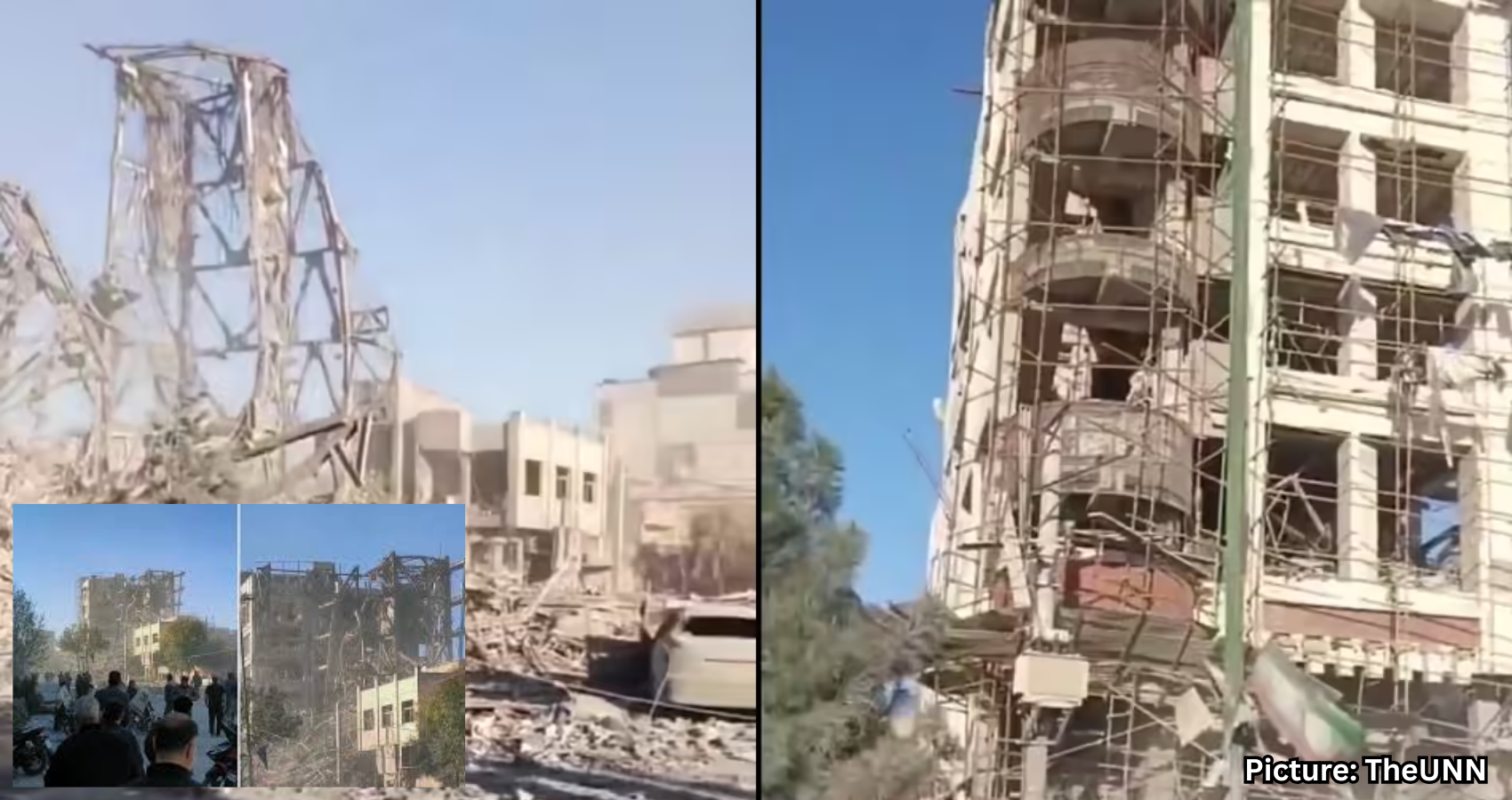
Israeli airstrikes targeting senior Iranian clerics in Qom have heightened tensions within Iran’s leadership, particularly following the death of Supreme Leader Ayatollah Ali Khamenei.
Recent airstrikes by Israel have left senior Iranian clerics feeling “exposed,” according to defense analyst Kobi Michael. The strikes targeted a meeting place in Qom where members of the Assembly of Experts were expected to convene to discuss succession plans following the death of Supreme Leader Ayatollah Ali Khamenei.
Michael, a senior researcher at the Institute for National Security Studies and the Misgav Institute, stated that the Israeli airstrike demonstrates a significant intelligence advantage over the Iranian regime. “This second strike would be another embarrassment to what has been left of the regime,” he told Fox News Digital.
He emphasized that the airstrike reflects Israel’s ability to detect any movement among Iranian leadership, leaving them feeling vulnerable. “As of now, the leadership would feel insecure and hunted, with all of their plans collapsing one after another,” Michael explained. He further noted that the clerics would likely feel isolated and recognize that the greatest threat may come from within, potentially leading to domestic unrest.
Brig. Gen. Effie Defrin, a spokesman for the Israel Defense Forces, confirmed that the Israeli Air Force struck the building where the senior clerics had planned to gather. However, it remains uncertain how many of the 88 members of the Assembly of Experts were present during the attack, according to an Israeli defense source.
This airstrike follows a broader military campaign, with U.S. forces reportedly striking over 1,700 targets across Iran within the first 72 hours of Operation Epic Fury. The operation aims to dismantle Iran’s security infrastructure and neutralize what U.S. officials describe as imminent threats.
Targets of the U.S. strikes have included command-and-control centers, the Islamic Revolutionary Guard Corps (IRGC) Joint Headquarters, the IRGC Aerospace Forces headquarters, integrated air defense systems, and ballistic missile sites.
Michael expressed confidence in the ongoing military efforts, stating, “We need strategic patience and determination, and in several weeks most of the job will be accomplished.” He added that even if the Iranian regime does not collapse entirely, the country will not return to its previous state.
Looking ahead, Michael anticipates that the U.S. and Israel will establish a robust monitoring mechanism to respond swiftly should the Iranian regime attempt to rebuild its military capabilities.
The situation remains fluid as the Iranian leadership grapples with the implications of Khamenei’s death and the recent airstrikes, which have further destabilized an already precarious political landscape.
According to The Times of Israel, the ramifications of these developments could lead to significant shifts within Iran’s entrenched theocracy.