
India’s Deputy Chief of Mission in Washington outlined the nation’s vision for artificial intelligence at a recent event, emphasizing the upcoming AI Impact Summit’s focus on practical outcomes for people, the planet, and progress.
WASHINGTON, DC — India is set to host the AI Impact Summit in New Delhi, which will revolve around three core themes: people, planet, and progress. The summit aims to transition global discussions on artificial intelligence from theoretical principles to actionable outcomes, according to Namgya Khampa, India’s Deputy Chief of Mission in Washington.
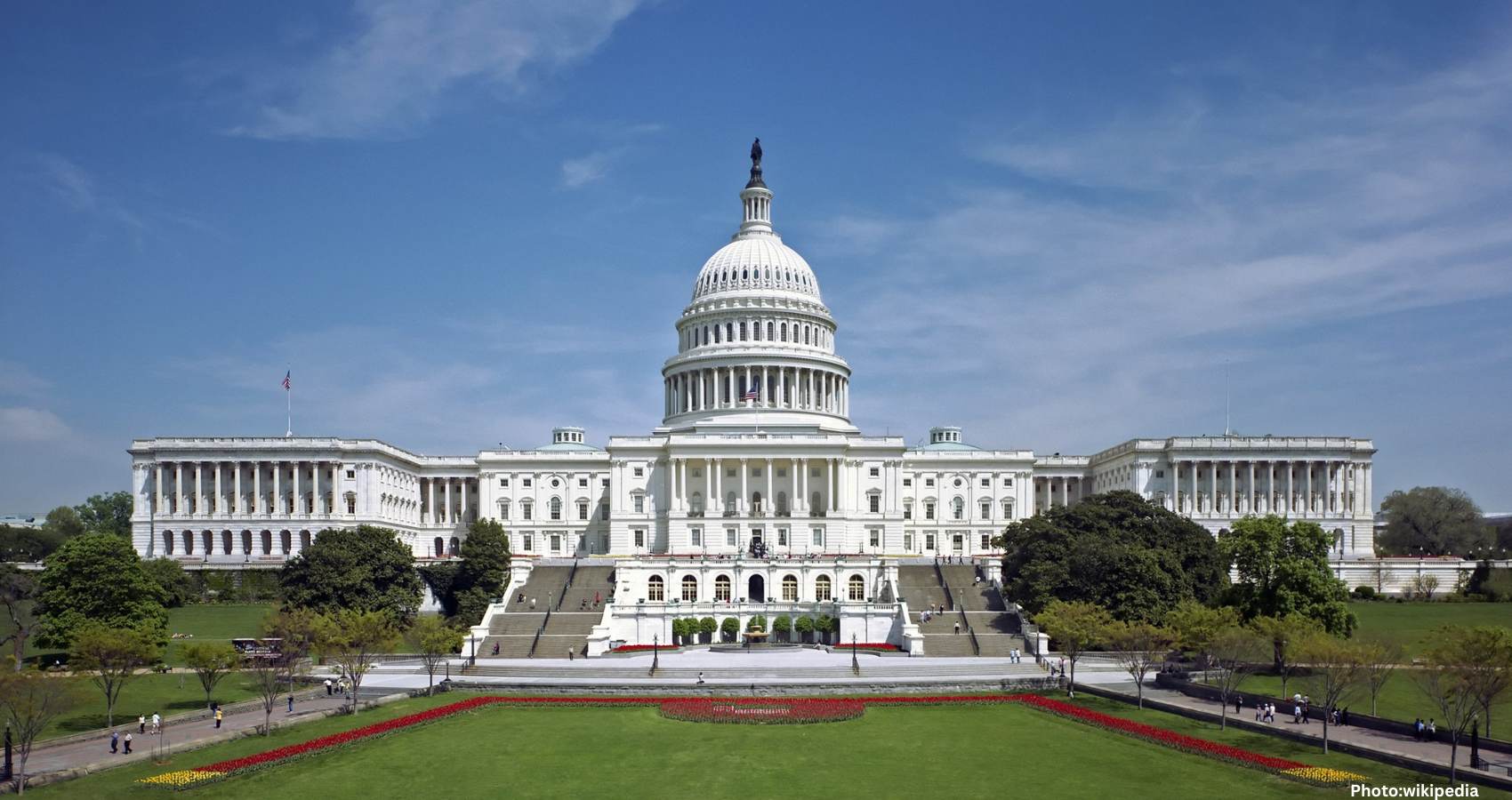
Khampa made these remarks during the “US-India Strategic Cooperation on AI” discussion, organized by the Observer Research Foundation America, the Special Competitive Studies Project, and the Embassy of India. The event, held at the US Capitol, convened policymakers and experts to outline shared priorities ahead of the summit.
She emphasized that artificial intelligence has evolved from a niche technology into a fundamental component that shapes economic competitiveness, geopolitical power, and societal outcomes.
India’s approach to AI is deeply rooted in its experience with digital public infrastructure. Khampa highlighted how inclusive, interoperable, and cost-effective technology has the potential to transform governance on a large scale. She pointed to platforms like Aadhaar and the Unified Payments Interface, which have significantly expanded access to public services, finance, and identity for over 1.4 billion Indians.
Khampa described AI as a “force multiplier” that enhances existing digital public infrastructure, making systems smarter, more responsive, productive, and accessible. This perspective aims to shift AI from being an abstract concept to a practical tool that drives transformation in everyday life.
The AI Impact Summit is notable for being the first major global AI summit hosted by a country from the Global South. Khampa stated that the summit seeks to address imbalances in global AI governance by promoting broader participation and ownership, rather than compromising on standards.
She elaborated on the summit’s framework, reiterating the themes of people, planet, and progress, which reflect India’s vision of “AI for all.” According to Khampa, AI should empower individuals rather than marginalize them, be resource-efficient, align with sustainability goals, and foster equitable economic growth, particularly in sectors like healthcare, education, agriculture, and public service delivery.
In light of increasing geopolitical tensions and the weaponization of technology supply chains, Khampa noted that technological resilience has become a central aspect of national strategy. She highlighted the India-US trust initiative as a means to transition cooperation from conceptual discussions to concrete projects across research, standards, skill development, and next-generation technologies.
India’s linguistic diversity and its population-scale digital platforms provide a unique environment for developing inclusive, multilingual AI systems. Meanwhile, the United States contributes cutting-edge research, capital, and advanced use cases that can be tested in India and scaled globally.
As the AI Impact Summit approaches, it is clear that India is positioning itself as a leader in the global dialogue on artificial intelligence, advocating for a vision that prioritizes inclusivity, sustainability, and practical benefits for all.
According to IANS, the summit is expected to set a precedent for future discussions on AI governance and cooperation.