
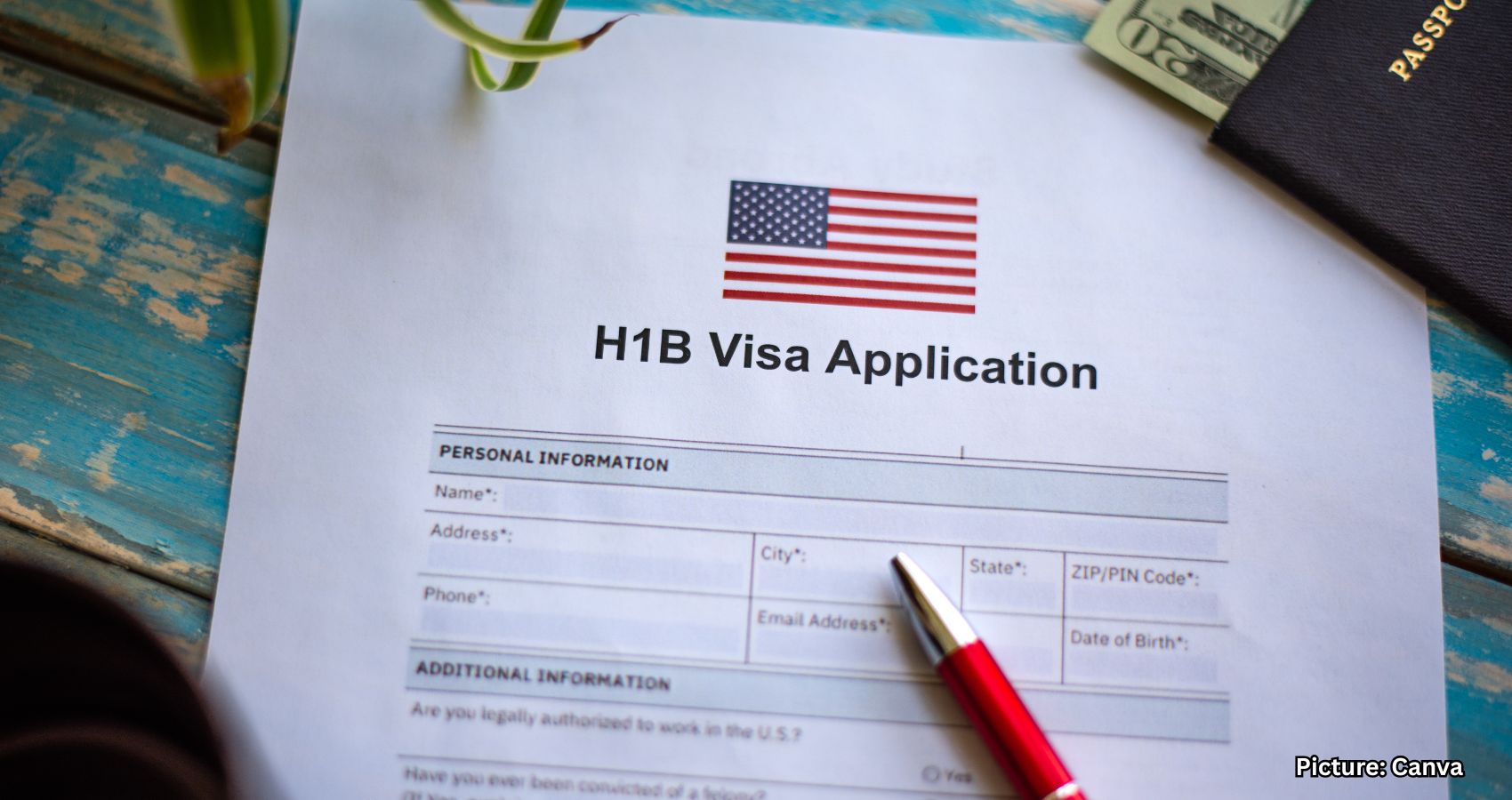
The U.S. has mandated that all H-1B applicants and their H-4 dependents make their social media profiles public starting December 15, enhancing online vetting procedures for foreign workers.
WASHINGTON, DC — The United States is expanding its online-vetting requirements for foreign workers, specifically targeting H-1B visa applicants and their H-4 dependents. Starting December 15, all individuals applying for these visas must ensure that their social media profiles are publicly visible.
This directive, announced by the State Department, extends existing protocols that have already been applied to students and exchange-visitor visa categories. The move is part of a broader initiative to enhance security measures surrounding nonimmigrant worker pathways.
The State Department emphasized that consular officers will now include an assessment of applicants’ online presence as part of their routine screening processes. “To facilitate this vetting, all applicants for H-1B and their dependents (H-4), as well as those applying for F, M, and J nonimmigrant visas, are instructed to adjust the privacy settings on all of their social media profiles to ‘public’,” the department stated. They also noted that the issuance of visas is fundamentally a “national security decision.”
This new requirement reflects ongoing efforts by the administration to tighten regulations surrounding the entry of foreign workers into the United States. By increasing scrutiny of social media activity, the government aims to better assess the backgrounds and intentions of applicants.
As the December deadline approaches, prospective H-1B applicants and their dependents are urged to prepare accordingly. This change may have significant implications for how individuals present themselves online, as maintaining a public profile can expose personal information to a wider audience.
The decision has sparked discussions among immigration advocates and legal experts regarding privacy concerns and the potential impact on applicants. Critics argue that requiring public social media profiles could lead to discrimination or bias in the visa application process.
Supporters, however, contend that the measure is a necessary step in ensuring national security and protecting American jobs. They argue that a thorough vetting process is essential in a time when concerns about immigration and security are at the forefront of public discourse.
As these changes take effect, it remains to be seen how they will influence the overall landscape of H-1B visa applications and the experiences of foreign workers seeking employment in the United States.
For more information on this new requirement and its implications, refer to the official announcements from the State Department and related immigration resources.
According to India-West, the new policy underscores the administration’s commitment to enhancing security protocols for foreign workers.